

Georgian Glazed Vitrine
A georgian glazed vitrine brings transparent elegance to a room, framing precious objects behind timber-framed glass doors.
Georgian Glazed Vitrine
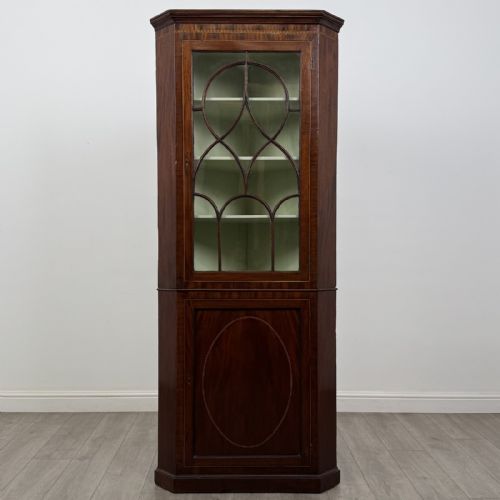
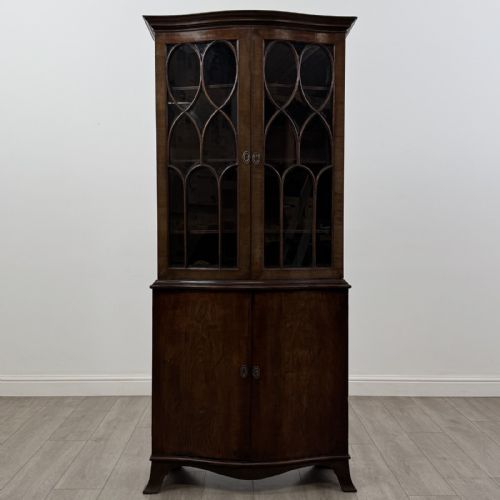
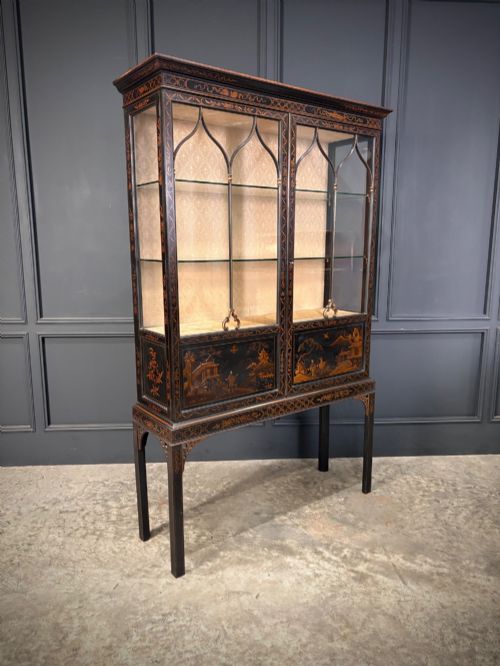
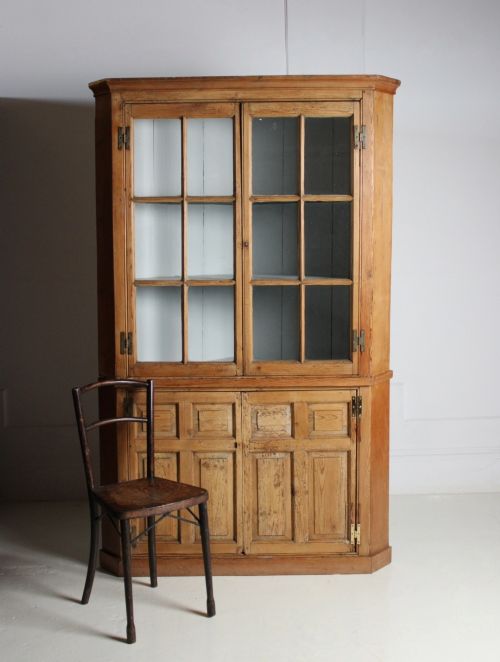
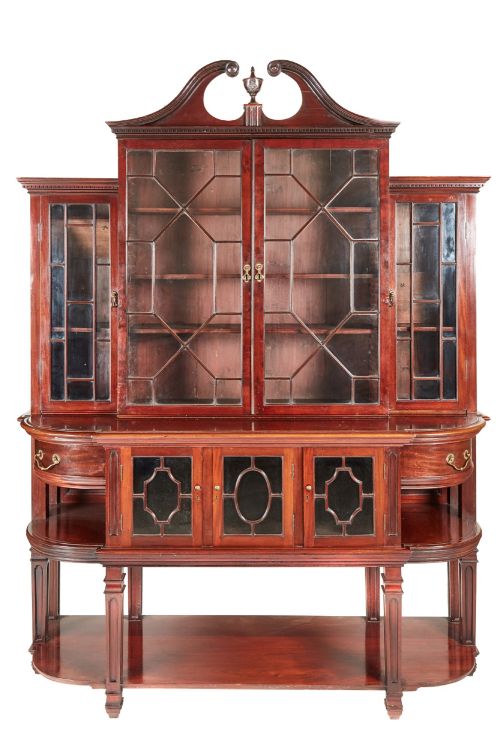
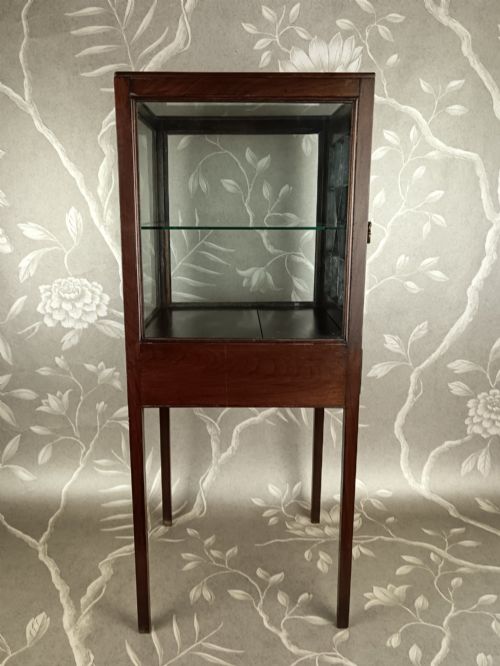
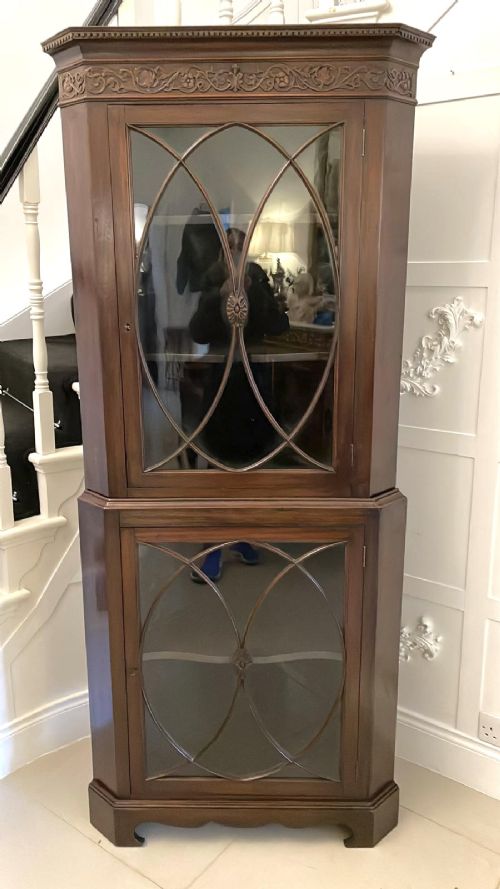
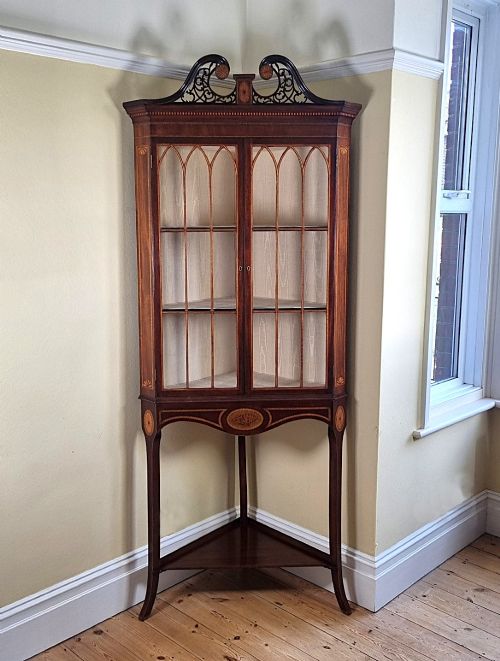
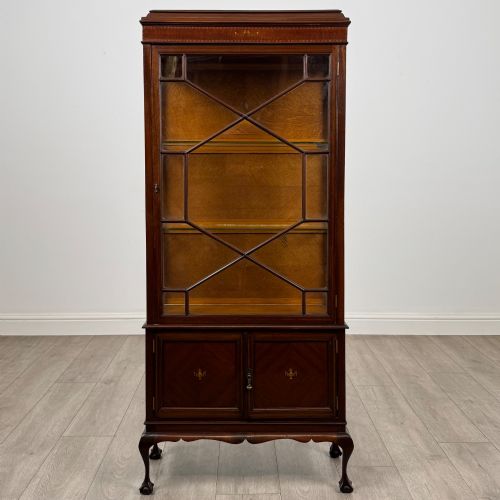
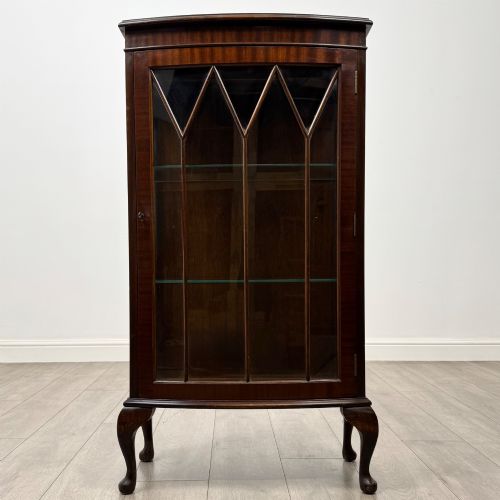
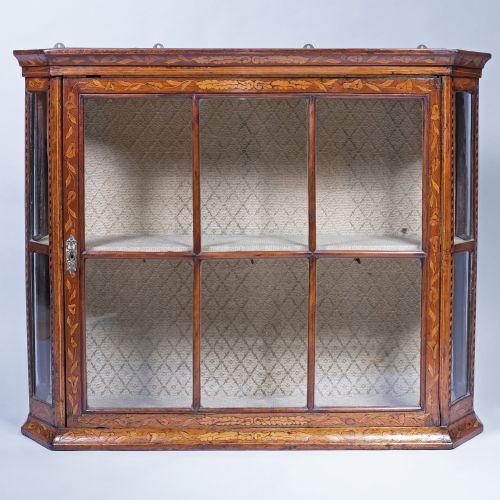
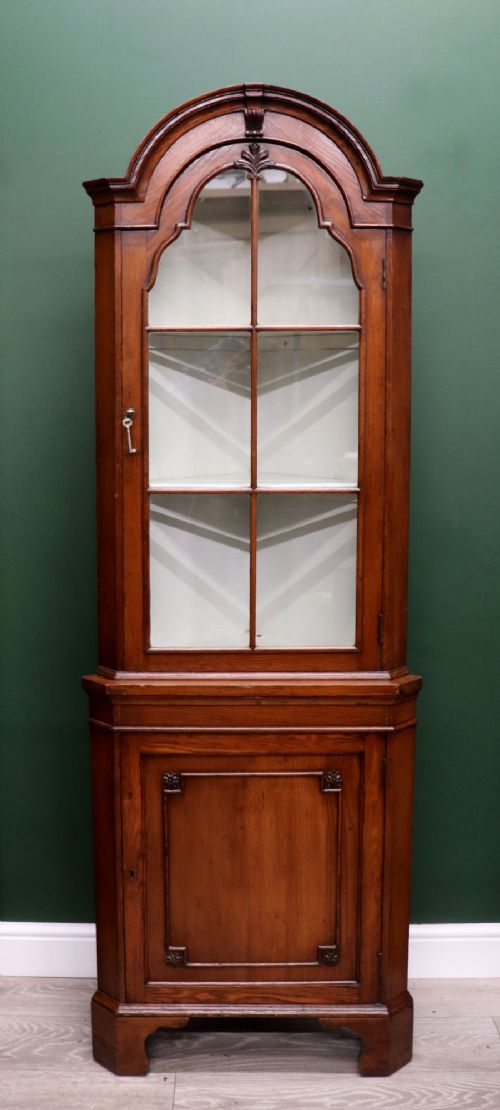
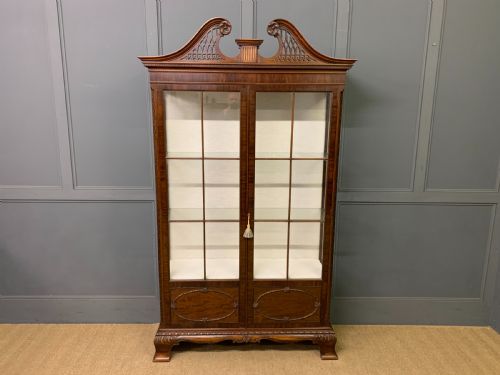
A georgian glazed vitrine is a cabinet designed for the display of china, books, and curiosities, drawing on periods from the eighteenth century through to revival styles of the early twentieth century. The selection ranges from floor-standing breakfront bookcases and cabinets on stand to compact corner cupboards and hanging wall units.
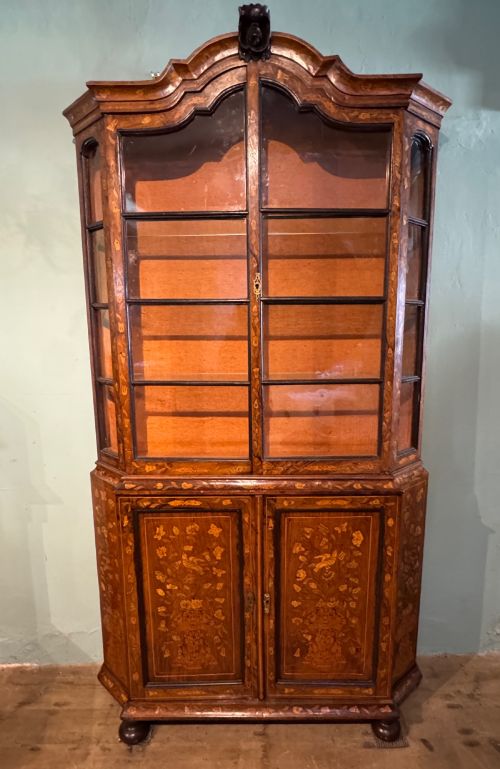
Mahogany and walnut form the structural backbone of these cabinets, accompanied by satinwood, oak, and pine. Styles span from strict Georgian and Regency designs to Sheraton, Chippendale, and Dutch Baroque revivals.
How they were made
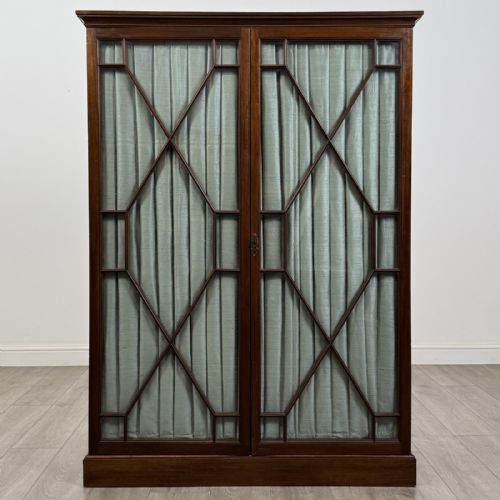
Cabinet makers utilised dense hardwoods such as mahogany and walnut, frequently applying satinwood inlay and marquetry to enhance surface decoration. Glazing bars divide the glass panes into geometric patterns, notably astragal formations.
Brass fittings secure the doors and interior hardware, while fabric linings occasionally soften the interior backing of display spaces.
Materials recorded across the listings include mahogany, walnut, satinwood, oak, pine, brass, fabric, and glass.
What varies in quality
The sophistication of the timber figure and the precision of the inlay work distinguish standard production from exceptional examples. Cabinet proportion, fine glazing bar assembly, and the execution of carved details such as bracket feet or cornice mouldings determine the overall caliber of the piece.
Edwards and Roberts·Waring and Gillow
The Georgian Glazed Vitrine Glossary
- Vitrine
- A glass-fronted display cabinet used for showcasing porcelain, silverware, and small decorative objects.
- Astragal
- A moulding profile used to divide glass panes within a door frame into smaller lights.
- Marquetry
- Decorative veneer applied in intricate patterns to wood surfaces using various timber species.
- Breakfront
- A cabinet design where the central section projects forward from the flanking wings.
Georgian Glazed Vitrine: Frequently Asked Questions
Where should I place a corner cabinet?
Corner cabinets fit neatly into unused room junctions, transforming dead space into an exhibition area.
They work particularly well in dining rooms or drawing rooms to display collections without obstructing movement.
What is the difference between a vitrine and a bookcase?
Vitrines prioritise glass display areas for objects of curiosity, whereas bookcases are primarily proportioned for shelving books.
Many surviving pieces combine both functions with glazed upper doors and enclosed lower cupboards.
How do I care for mahogany and walnut cabinets?
Keep wooden cabinets away from direct sunlight and steady temperature fluctuations to prevent timber warping.
Apply traditional wax polish sparingly to maintain the natural lustre of the finish.
Are these cabinets all from the eighteenth century?
While genuine eighteenth-century pieces exist, many examples date from later revival periods such as the Edwardian era and the early twentieth century.
Revival furniture mirrors earlier Georgian and Regency aesthetics using the construction methods of its own time.