



Georgian Glass Salts
Georgian glass salts are small table vessels shaped by centuries of dining habits, prized by collectors for their clarity and tactile weight.
Georgian Glass Salts
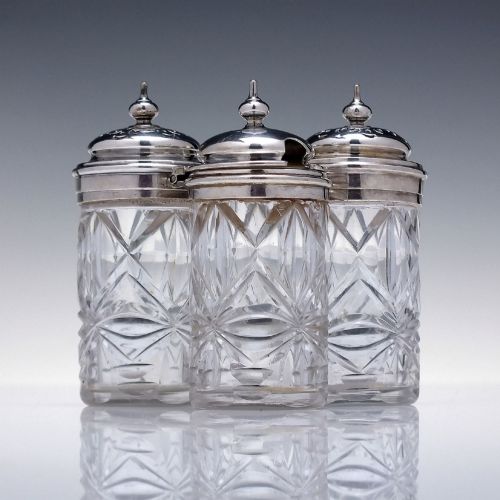
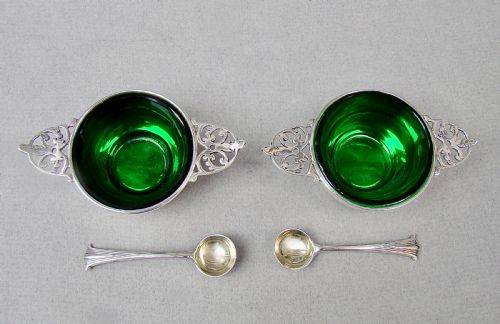
When you search for georgian glass salts, you encounter small tableware items designed to hold condiments for the dining table. These pieces range from simple boat shaped vessels to cut glass designs with fitted saucers and silver wirework.
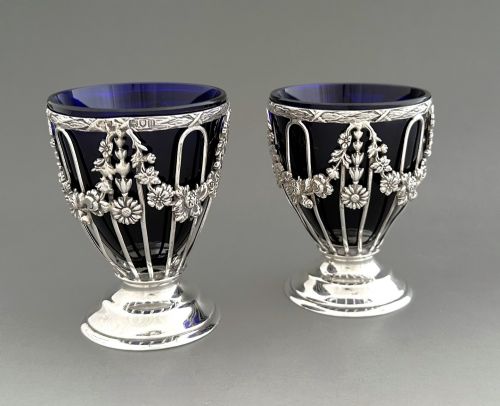
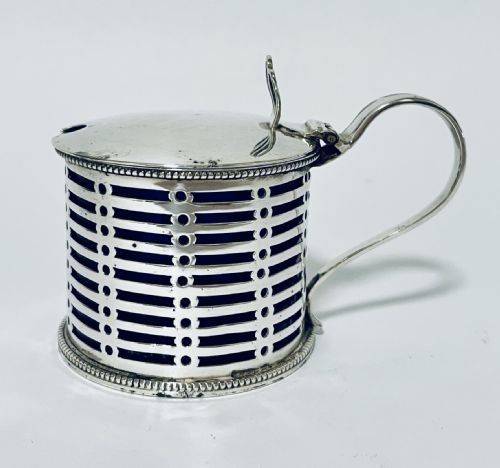
The versions most commonly met on this page span the eighteenth and nineteenth centuries, often appearing alongside related items such as cruet sets, condiment tubs, and mustard pots. Many retain their original coloured liners, particularly in cobalt glass.
Forms vary from double ogee bowls to boat shapes and bonnet glasses, reflecting the changing tastes of dining rooms across the Georgian and Regency periods. Some pieces show revival styles from later decades, including Edwardian and George V interpretations.
How they were made
Makers utilised lead glass and lead crystal to achieve the heavy feel and brilliant refractive qualities expected of fine tableware. This dense material allowed craftsmen to execute deep cuts and facets that catch the light.
Many items combine glass bodies with sterling silver or silver plate mounts, wirework, and rims. Some specialised forms incorporate cobalt glass liners within silver frames or boat shaped structures.
Cutting and faceting techniques defined the decoration of the glass, creating geometric patterns, swag designs, and panel cuts. Surface finishing relied on manual polishing to smooth the heavy crystal edges.
Georgian Glass Salts Retail Price Guide 2026
Typical asking prices for georgian glass salts among the pieces listed under this phrase on Sellingantiques today, from the lower quarter to the upper quarter. They describe what is for sale here now, not the wider market.
Dining guests once relied on miniature glass tubs to keep their salt properly portioned and civilised.
What varies in quality
The distinction between standard items and superior examples lies in the crispness of the glass cutting and the weight of the metal components. Heavier lead crystal and sharper, deeper facets indicate a higher standard of manufacture.
Proportion and symmetry set finer vessels apart from lesser ones, particularly in matched pairs or sets where uniformity matters. The presence of original fitted saucers and intact coloured glass liners adds significantly to the integrity of a piece.
Josiah Williams & Co
The Georgian Glass Salts Glossary
- Lead crystal
- A heavy glass containing lead oxide, which increases brilliance and makes the material softer for cutting. It provides the substantial heft characteristic of better tableware.
- Cobalt glass
- A deep blue glass coloured with cobalt oxide, frequently utilised for liners in silver salt cellars. This intense hue creates a striking contrast against polished silver.
- Bonnet glass
- An eighteenth century glass vessel with an ogee or flaring rim, often used on the table for condiments or sweetmeats. The form resembles traditional headwear of the period.
- Cruet set
- A fitted frame holding multiple bottles or containers for condiments, vinegar, and oil at the dining table. These sets often incorporate matching salt cellars and mustard pots.
- Wirework
- Openwork metal construction made from soldered silver wire, forming delicate frames or baskets to hold glass liners. This technique lightened the visual weight of heavy condiment containers.
Georgian Glass Salts: Frequently Asked Questions
How were glass salts used?
Dining guests used these small dishes to take pinches of salt during meals, often using miniature salt spoons. Before individual salt cellars became common, large master salts sat centrally on the table.
As dining habits shifted towards individual place settings, smaller pairs and sets of salts were produced. Many included coloured glass liners to protect silver frames from the corrosive properties of salt.
How do I care for glass salts?
Antique glass requires gentle cleaning in lukewarm water with mild detergent to preserve the surface finish and any associated silver mounts. Harsh chemicals or sudden temperature changes can damage fragile lead crystal and historic glass.
If the piece incorporates a removable liner, separating the glass from the metal frame during cleaning prevents moisture trapping. Proper storage away from direct sunlight helps maintain the condition of both the glass and any silver wirework.
How do I identify a period piece?
Identifying these items involves examining the weight of the glass, the sharpness of the cutting, and the construction methods of any metal mounts. Eighteenth and nineteenth century pieces typically show small surface irregularities and wear marks from age.
Stylistic cues such as boat shapes, double ogee bowls, and specific cutting patterns help separate Georgian examples from later Edwardian revivals. Hallmarks on associated silver components also provide reliable date markers.