

Georgian Gentleman Art
Georgian gentleman art brings the commanding presence of past centuries into a room through oil portraits and delicate silhouettes.
Georgian Gentleman Art
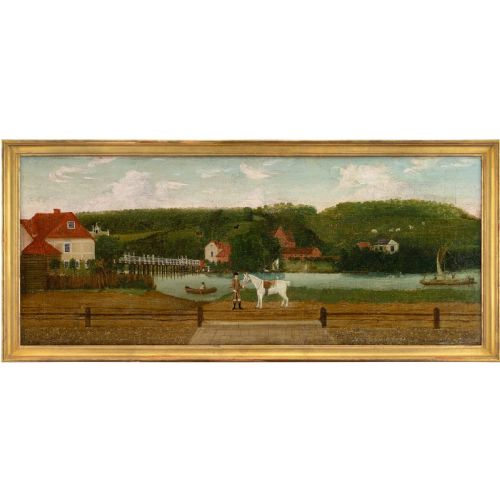
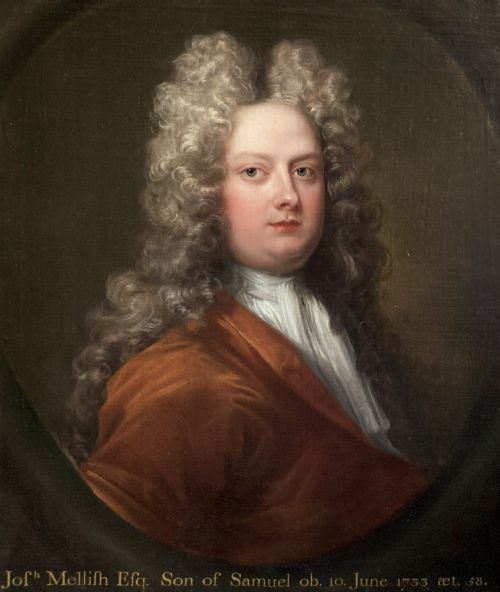
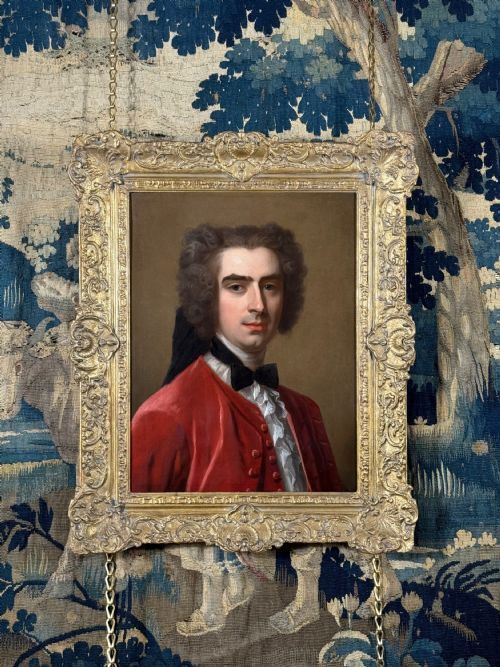
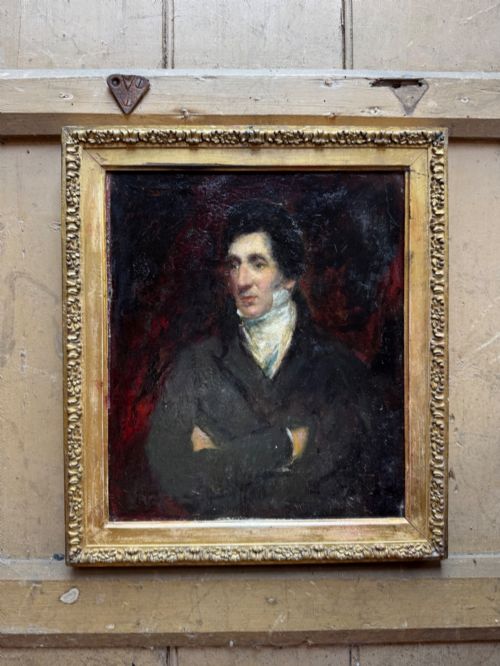
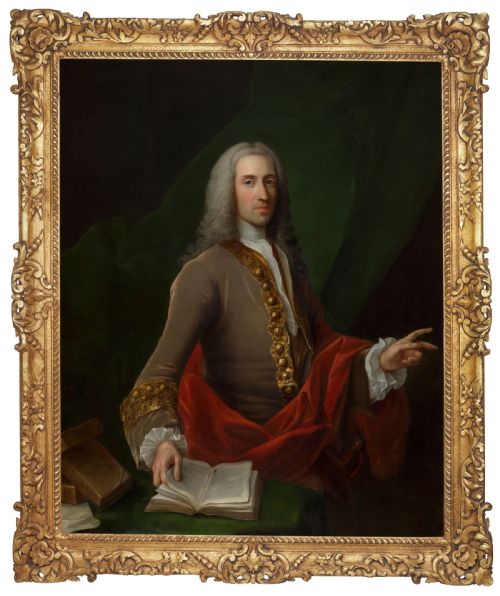
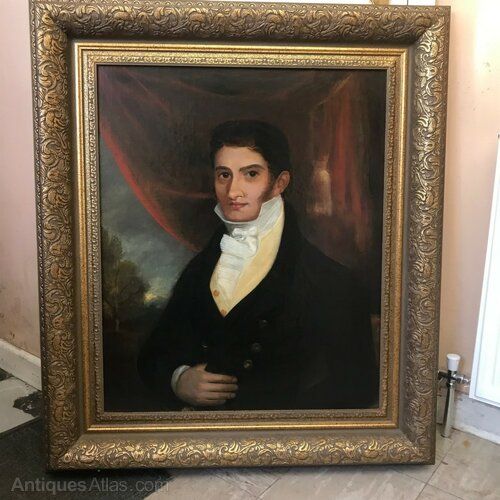
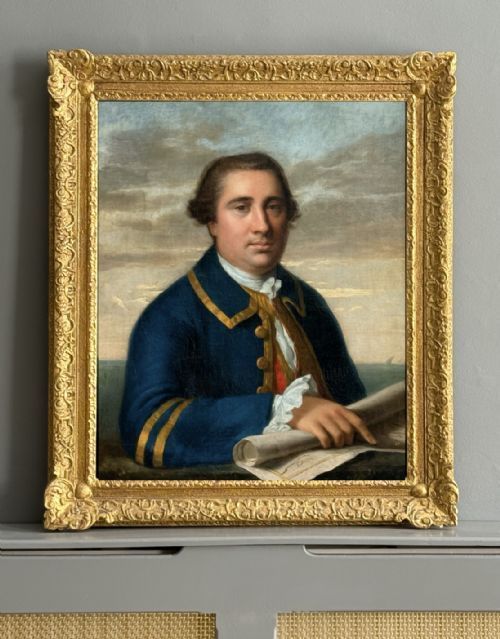
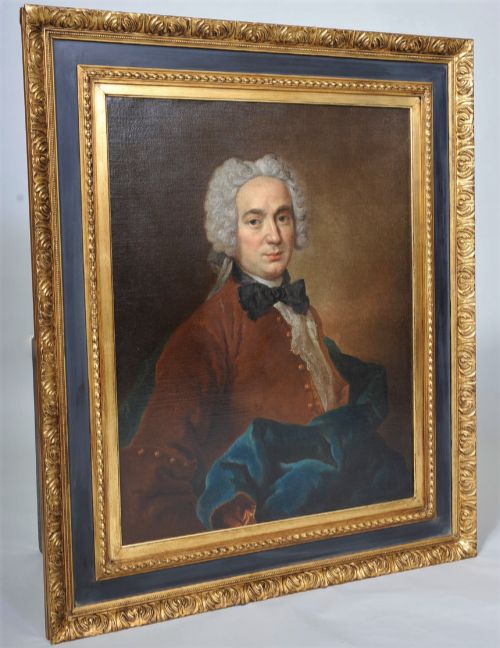
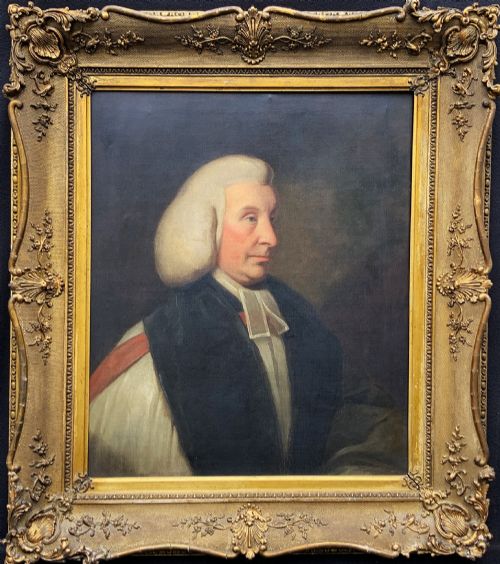
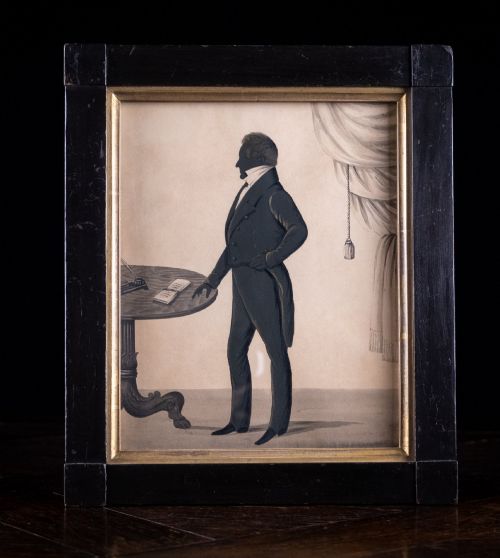
When you search for georgian gentleman art, you encounter oil paintings, watercolours, and silhouettes that record the likenesses of notable figures, merchants, and officers. These works span the seventeenth, eighteenth, and nineteenth centuries, capturing the changing fashions and social standings of their subjects.
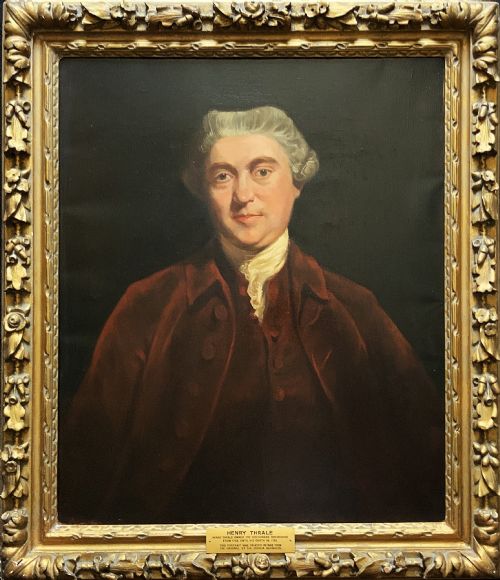
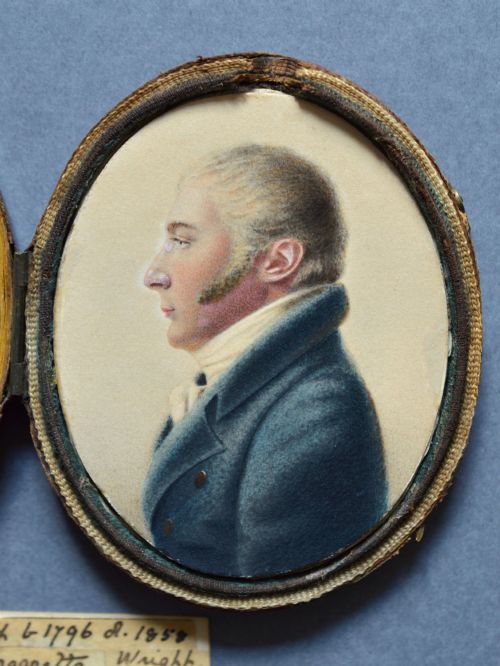
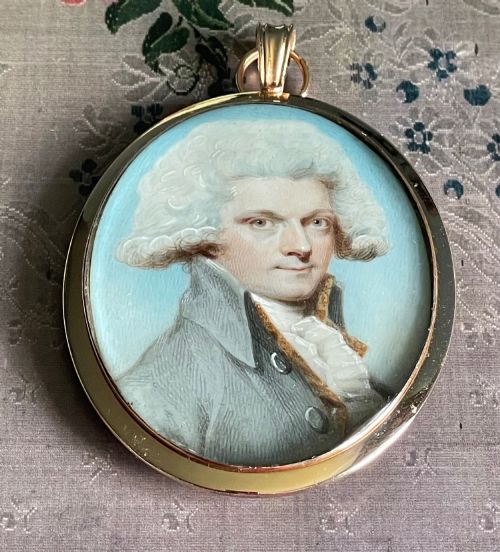
The most frequent form on this page is the oil on canvas portrait, often housed in period giltwood frames. You will also find smaller portrait miniatures and hand-cut paper silhouettes that offer a more intimate view of historical figures.
Materials and construction
Artists built these oil paintings using oil paint applied to canvas, often working within established schools or studio practices. The frames rely on carved wood and giltwood finishes that complement the depth of the pigments.
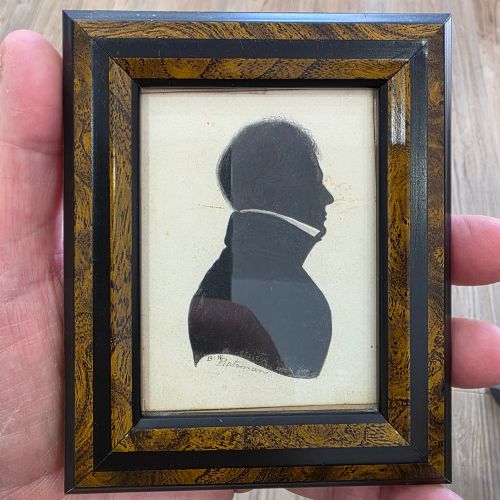
Miniatures and silhouettes utilise glass, paper, and occasionally gold mounts, requiring precise hand-cutting and fine watercolour brushwork to achieve intricate detail on a small scale.
Listings feature works spanning the 17th, 18th, and 19th centuries, utilising oil paint, watercolor, and graphite on canvas and paper.
Distinctions in quality
The distinction between standard works and master creations lies in the handling of facial expression and the rendering of textiles. Superior portraits reveal careful attention to the texture of a scarlet jacket or the glint of a scholar's books.
Provenance and attribution also elevate a piece, as works linked directly to known portraitists or documented sitters command greater interest than anonymous studio output.
Charles Jervas·Jean Baptiste Van Loo·Lemuel Francis Abbott·Sir Joshua Reynolds·Thomas Hudson
The Georgian Gentleman Art Glossary
- Oil on canvas
- A traditional painting medium where pigments bound in oil are applied to a stretched cloth surface. This technique allows for rich colour blending and lasting durability.
- Silhouette
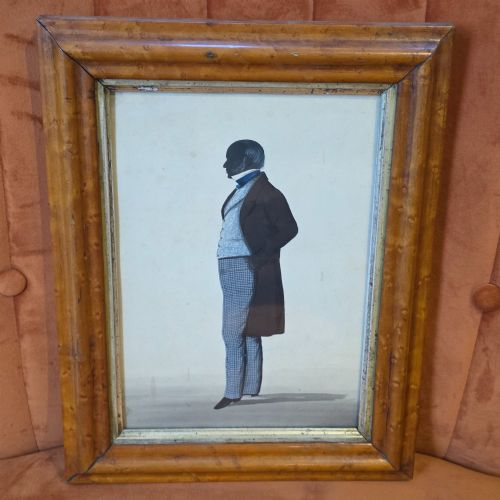
- A portrait profile cut from dark paper or painted onto a light background. These were popular for rapid likenesses before the widespread use of photography.
- Portrait miniature
- A small, highly detailed painting, often executed on ivory, vellum, or paper. They were frequently set into pendants or lockets to be worn or carried.
- Giltwood
- Wood that has been coated with a thin layer of gold leaf or gold paint. It is commonly found on the ornate frames enclosing period oil paintings.
Georgian Gentleman Art: Frequently Asked Questions
How do I date a silhouette?
Silhouettes from the eighteenth and nineteenth centuries can often be dated by the clothing, hairstyles, and hats worn by the sitter. Paper quality and mounting styles also offer clues to the exact decade of creation.
Hand-cut paper profiles frequently bear signature marks on the reverse or feature trade labels from specific studios, which help pinpoint their origin.
Where should I hang an oil portrait?
Large oil paintings require sturdy walls and thoughtful placement away from direct sunlight to protect the canvas and pigments. Placing them in a study, dining room, or hallway creates a traditional focal point.
Ensure the artwork hangs at eye level so the gaze of the sitter engages naturally with anyone entering the space.
Are portrait miniatures painted on ivory?
Many historical miniatures use thin slices of ivory as a base because the material imparts a luminous quality to skin tones. Other examples utilise vellum, card, or paper depending on the period and the artist's preference.
Protective glass covers these delicate works to prevent dust and moisture from damaging the fine watercolour or gouache pigments beneath.
How do I identify a studio work?
Studio works were often produced under the supervision of a master artist, where assistants painted the background attire while the master completed the face. These pieces reflect the style and composition of a prominent painter without bearing their primary signature.
Examination of brushwork and archival records often reveal whether a canvas originated from an established painter's workshop.