






Georgian Gaming Box
A georgian gaming box is a portable repository for pastimes, prized for intricate woodwork and historic charm.
Georgian Gaming Box
When seeking a georgian gaming box, collectors look for pieces designed to hold parlour games, cards, and counters. These items serve as both functional containers and decorative objects for the home.
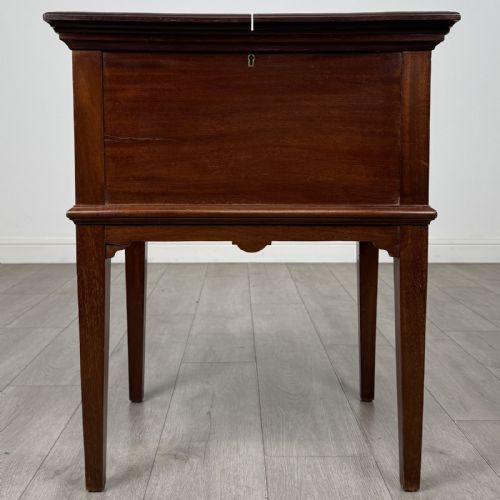
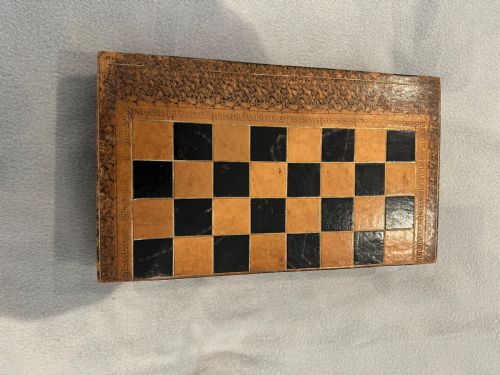
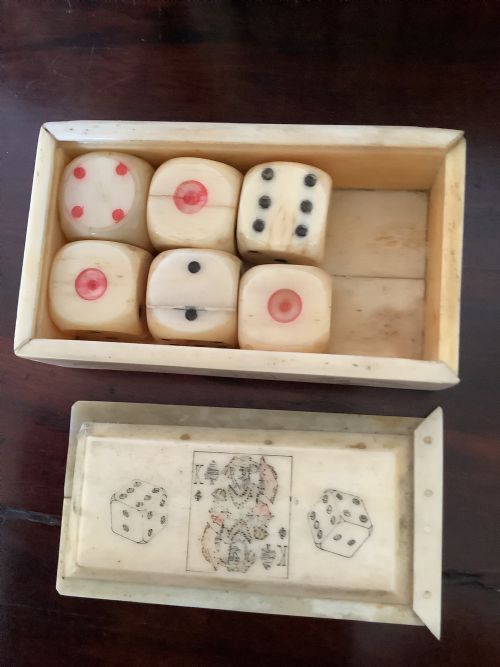
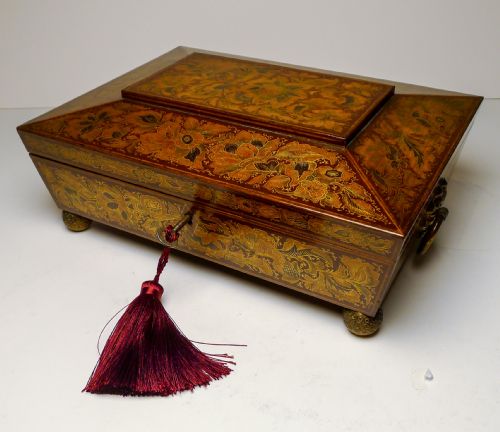
The versions most commonly met on this page span the Georgian, Regency, and Victorian periods, alongside occasional nineteenth-century examples. They appear as games boards, fold-out cabinets, and dedicated boxes containing items like dominoes and dice.
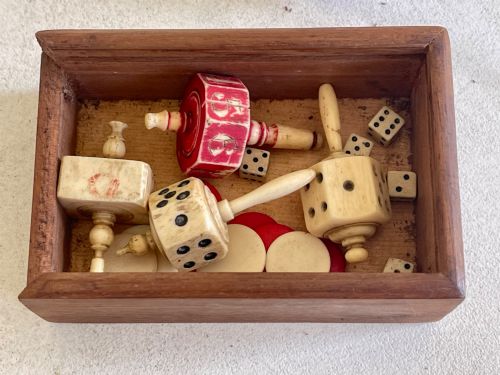
Many of these pieces connect to specific historical craft traditions, such as carved bone items made by prisoners of war. Others showcase fine surface decoration, including hand-painted penwork and parquetry inlay.
How they were made
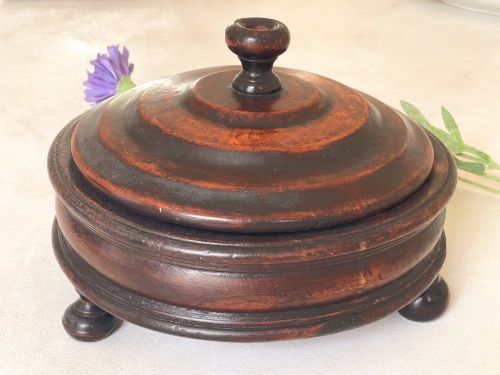
Makers utilised timber such as mahogany to construct the primary carcasses of these objects. Brass fittings and hinges secure the lids and internal compartments, while turned wood forms individual gaming pieces.
Surface ornamentation relies on pigment and ink, particularly in painted penwork designs found on Regency examples. Bone serves as the primary material for carved items like dominoes, teetotums, and dice.
Georgian Gaming Box Retail Price Guide 2026
Typical asking prices for georgian gaming box among the pieces listed under this phrase on Sellingantiques today, from the lower quarter to the upper quarter. They describe what is for sale here now, not the wider market.
Prisoners of war utilised leftover soup bones to carve intricate domino sets, turning meager rations into lasting parlour treasures.
What varies in quality
The refinement of the surface decoration largely separates simpler containers from superior examples. Finely executed hand-painted penwork and precise parquetry inlay indicate a higher level of workshop skill.
Internal complexity also dictates the tier of the piece, with hidden compartments and fitted trays showing greater joinery ambition. The delicacy of carved bone elements, particularly in prisoner of war items, marks the distinction between standard and exceptional craftsmanship.
The Georgian Gaming Box Glossary
- Penwork
- A decorative technique using ink applied with a pen to create intricate surface patterns on wood. It often mimics more expensive inlay methods.
- Parquetry
- Geometric wood mosaic work used for surface decoration on boxes and boards. Small veneer pieces fit together to form repeating patterns.
- Teetotum
- A small spinning top used for gambling or games of chance, often featuring marked sides. Bone examples appear frequently in historic prisoner of war collections.
- Cribbage board
- A board used to keep score in the card game cribbage, typically featuring tracked peg holes. These are sometimes integrated directly into box lids.
Georgian Gaming Box: Frequently Asked Questions
What was a georgian gaming box used for?
These boxes held the equipment needed for evening parlour entertainment, including cards, counters, dice, and dominoes. They kept loose pieces organised between sessions of play.
Many designs doubled as decorative objects or writing surfaces when closed, fitting into the social habits of period drawing rooms.
How do I identify a Regency games box?
Regency pieces often display specific decorative traits like painted penwork or geometric parquetry inlay. The timber choice frequently leans towards mahogany.
Proportions tend to reflect classical design influences popular during the early nineteenth century.
What are prisoner of war bone items?
These are gaming pieces, boxes, and domino sets carved by captured soldiers, typically during the Napoleonic Wars. They utilised available materials like animal bone to pass the time and earn money.
The work is characterised by meticulous hand-carving and assembled bone plates.
How should I care for an antique games box?
Keep the wood conditioned with appropriate wax and avoid placing the object in direct sunlight or near heat sources. Excessive temperature changes can cause timber and veneer to warp or crack.
Handle internal components and hinges with care to preserve original brasswork and delicate bone elements.