
Georgian Furniture Storage
Georgian furniture storage encompasses case pieces and seating designed to hold belongings, bringing enduring timber grain and practical division into a room.
Georgian Furniture Storage
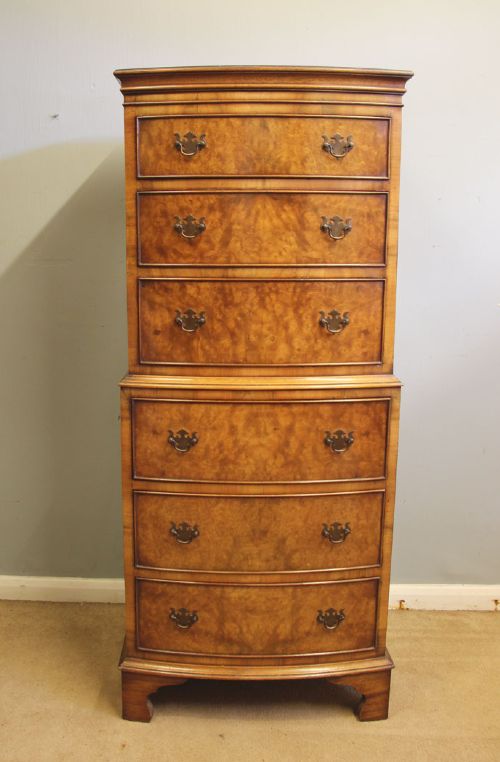
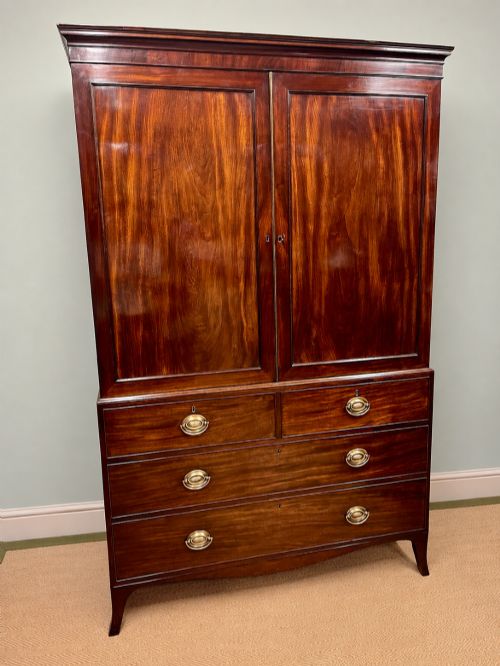
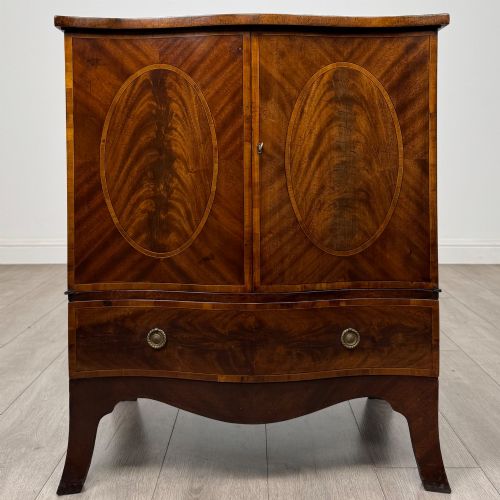
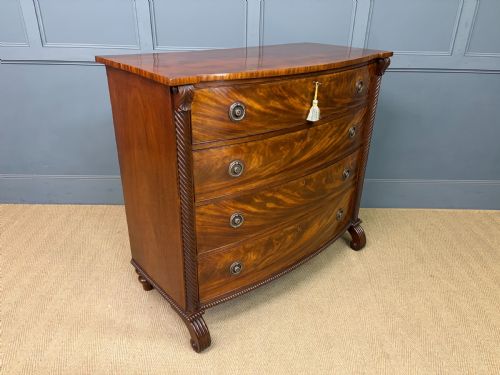
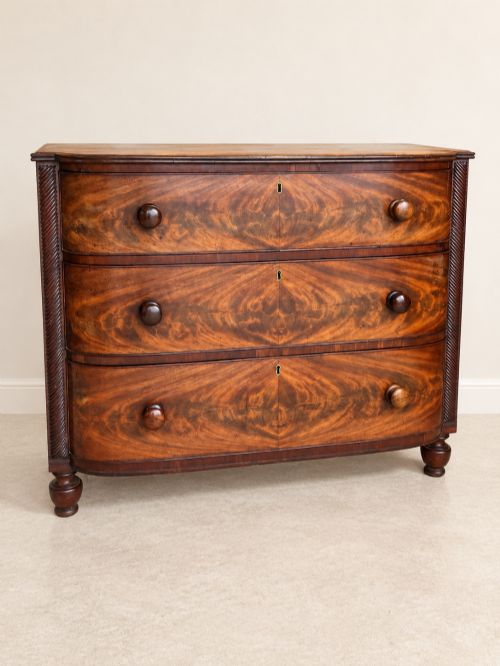
Georgian furniture storage brings together chests of drawers, linen presses, and cupboards originating from the eighteenth and nineteenth centuries alongside later revival pieces. Buyers seeking georgian furniture storage encounter numerous variations in timber and scale, from tall chests on chests to compact bow front designs.
The domestic interior relies on these pieces to organise household goods within disciplined architectural proportions. Regional vernacular examples, such as Welsh oak box settles and food cupboards, sit alongside refined urban cabinet work executed in figured mahogany and walnut.
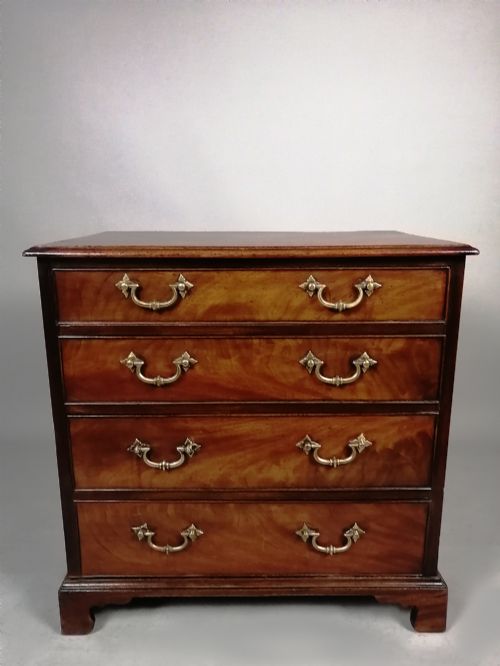
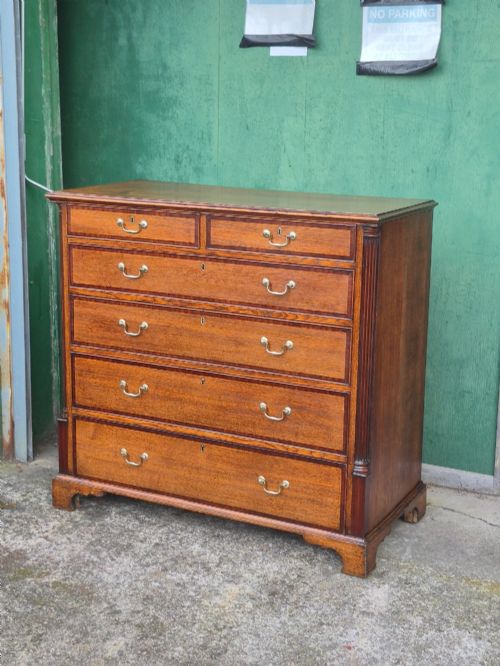
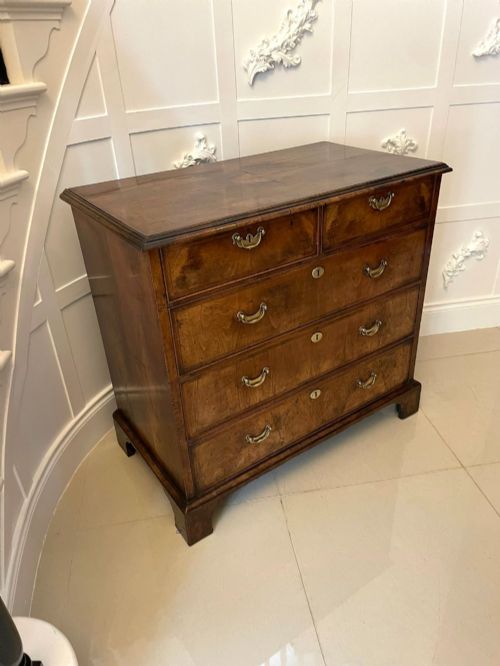
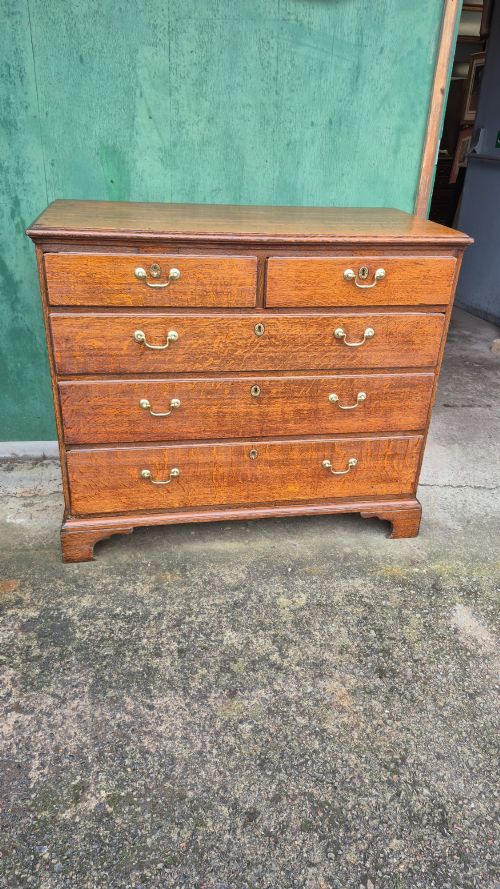
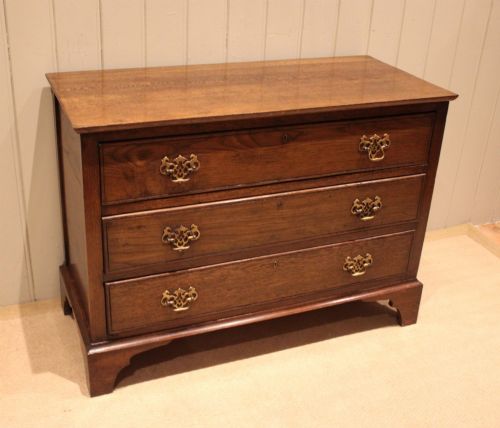
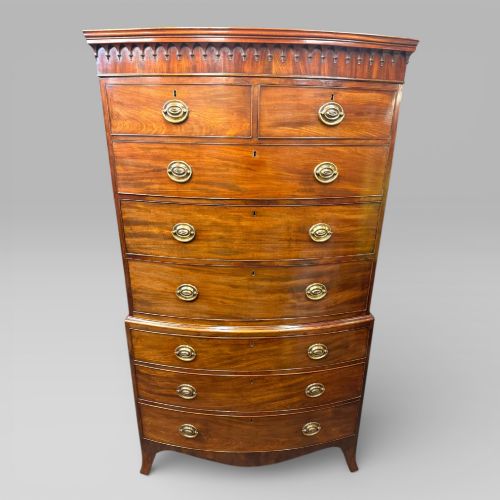
Period production spans the reigns of the Georges, extending into the Regency era and subsequent revival decades. Chests typically present two small drawers over three graduated long drawers, sometimes incorporating a brushing slide for writing or dressing.
Factors of Distinction
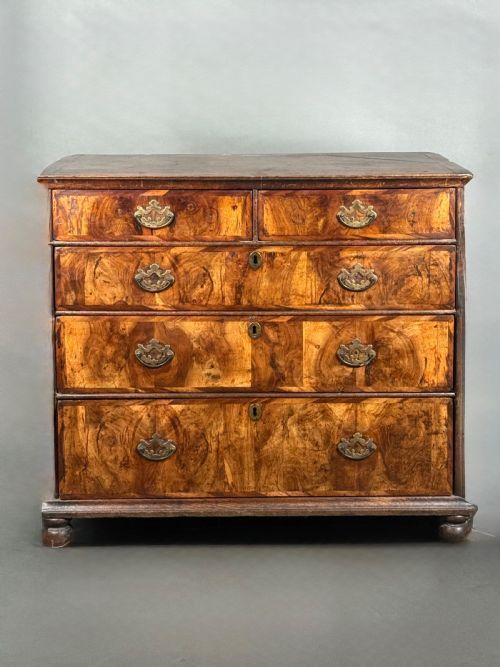
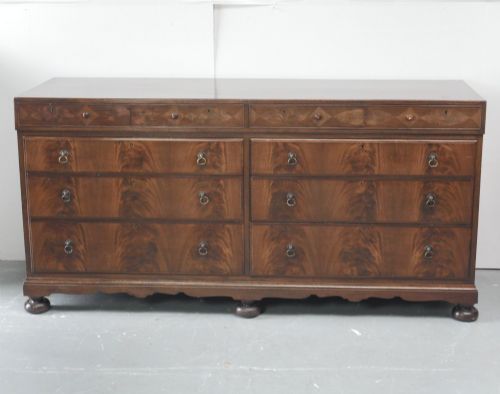
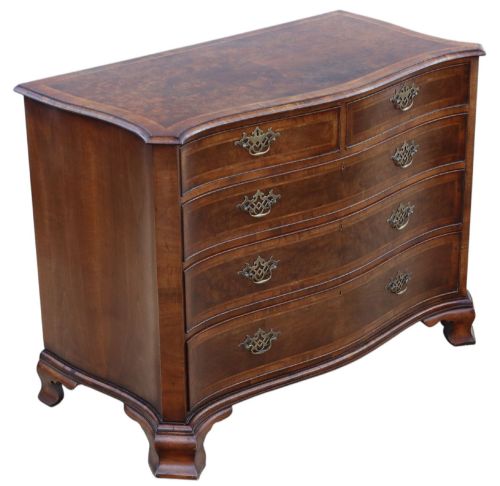
Gradations in quality depend upon the selection of timber veneers and the continuity of grain pattern across drawer fronts. Superior examples display mirrored flame mahogany or burr walnut matched deliberately across the facade, whereas standard pieces utilise plainer boards.
Proportion and execution of secondary details separate master cabinet work from regional output. Fine cockbeading, crisp dovetails, and retained original brass hardware indicate higher workshop standards, whereas replacement timber and altered feet alter the historical integrity.
Listings feature periods spanning from the early eighteenth-century reign of George I through the Regency era to Edwardian revivals.
Whytock and Reid
The Georgian Furniture Storage Glossary
- Chest on chest
- A tall storage unit comprising one smaller chest stacked directly upon a larger base chest, also known as a tallboy. This form maximises vertical capacity without increasing floor footprint.
- Bow front
- A cabinet or chest front curved in a convex arc across the centre. This shape softens the room presence of heavy case furniture.
- Brushing slide
- A pull-out shelf integrated above the top drawers of a chest for temporary surface use. It doubles as a writing surface or display ledge.
- Crossbanding
- A decorative border of veneer laid with the grain running perpendicular to the central panel. It frames drawer fronts and table tops.
- Herringbone band
- Two rows of small veneer veneers laid diagonally to form a continuous V-shaped pattern. It decorates high-status walnut surfaces.
- Box settle
- An enclosed wooden bench featuring a hinged seat lid that conceals a storage compartment below. These dual-purpose seats stood in seventeenth and eighteenth-century halls.
Georgian Furniture Storage: Frequently Asked Questions
What is a Georgian chest on chest?
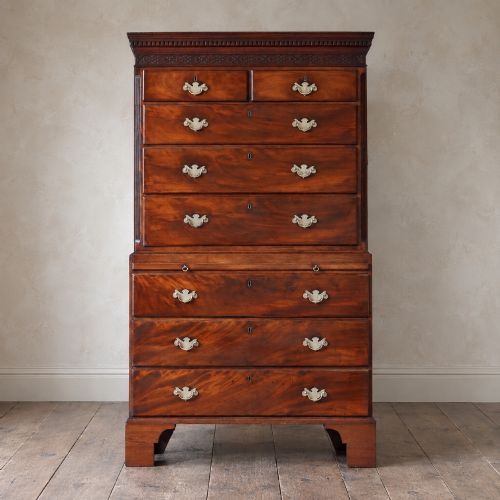
A chest on chest consists of two distinct cabinet sections stacked vertically, providing significant drawer capacity within a compact floor area. The upper section usually contains three small and three long drawers, while the lower section holds three additional long drawers.
Cabinet makers constructed these pieces in two parts so they could be maneuvered up narrow staircases in period townhouses and country homes.
How do I identify a Regency chest of drawers?
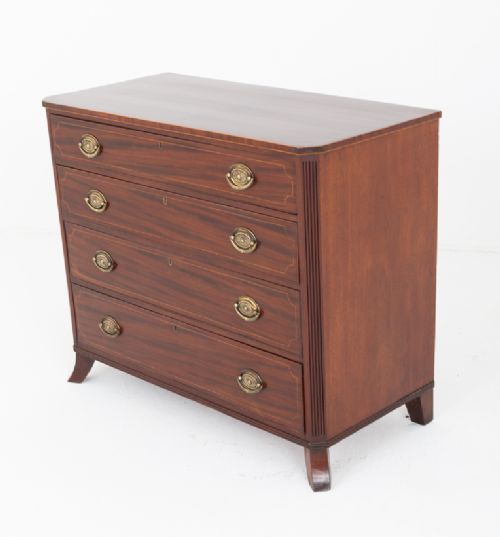
Regency chests typically exhibit strong architectural lines, bolder mahogany grain patterns, and sometimes reeded pilasters or brass lion mask ring handles. The proportions tend to be slightly heavier than earlier Georgian work, reflecting early nineteenth-century design tastes.
Many examples feature flame mahogany veneers and slightly projecting top drawers set just below the surface overhang.
Where were box settles used in the home?
Box settles served primarily in the kitchens and halls of vernacular farmhouses and country properties. The high solid back protected occupants from cold draughts, while the box base kept heavy items secure.
Lifting the seat lid provided immediate storage for blankets, footwear, or dry goods.
What timber was used for Georgian furniture?
Mahogany dominated high-status Georgian cabinet making, supplanting the walnut favoured during the early eighteenth century. Oak and pine served for structural carcases, drawer linings, and regional vernacular pieces.
Craftsmen also utilised exotic veneers including burr walnut and yew wood for decorative drawer fronts and crossbanded borders.