





Georgian Fretwork Side Table
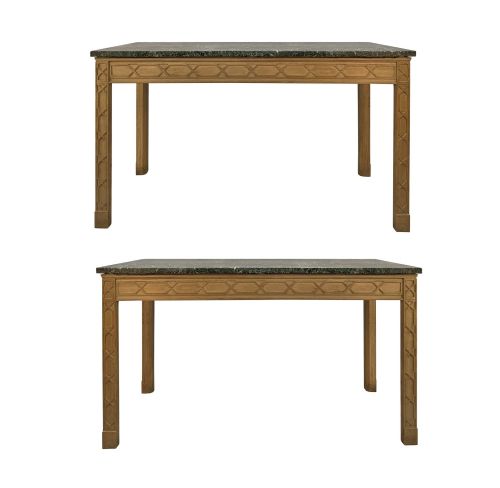
A georgian fretwork side table brings intricate open woodcarving and rich timber grain to a room, offering both practical surface space and distinct period character.

Georgian Fretwork Side Table
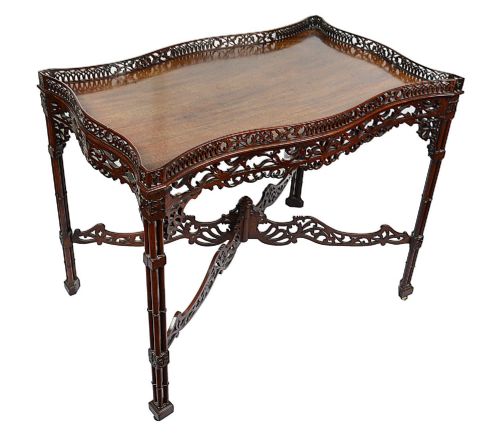
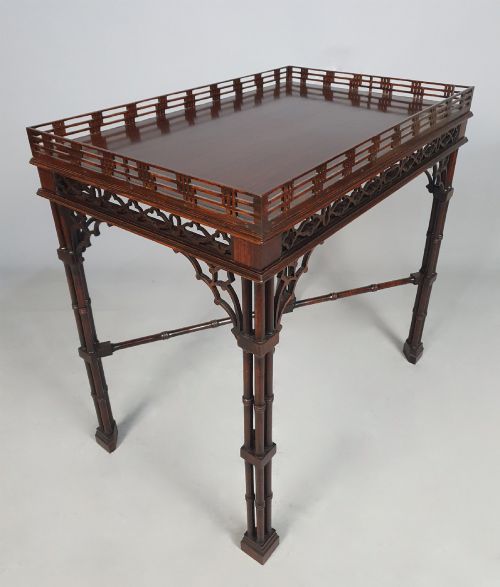
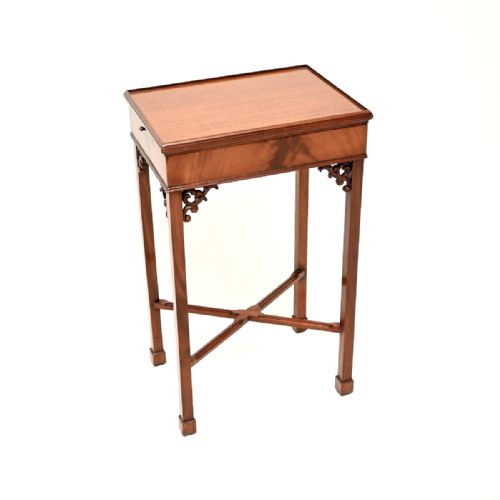
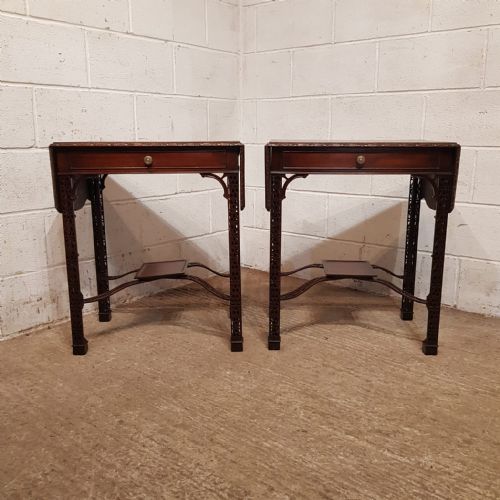
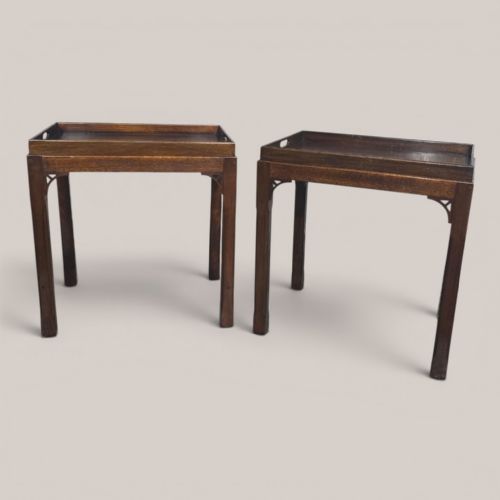
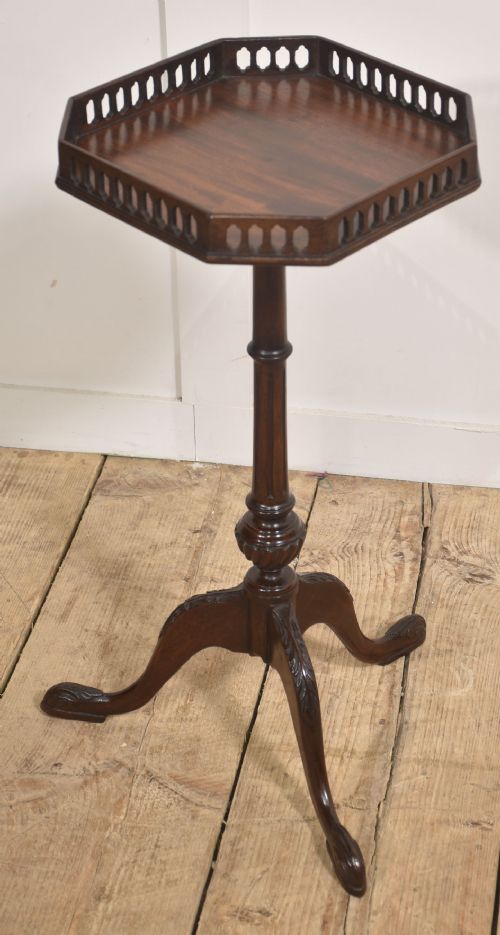
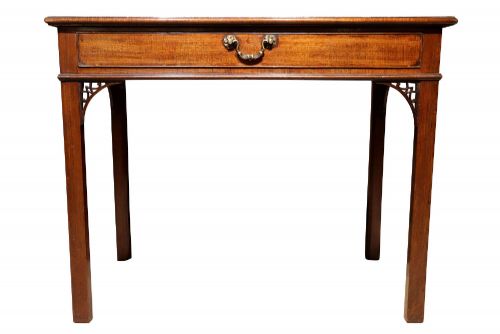
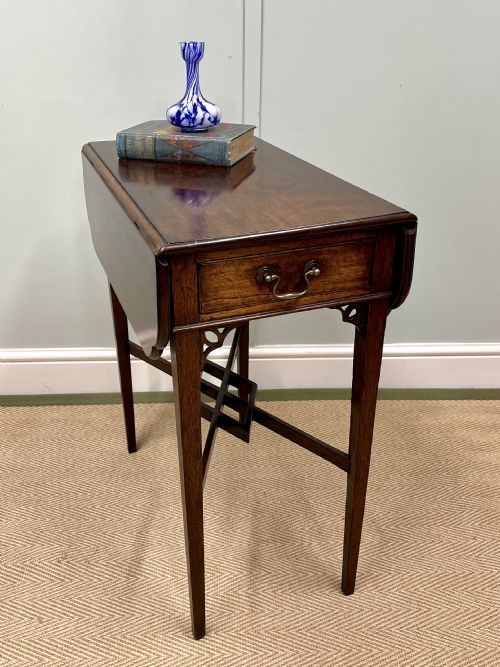
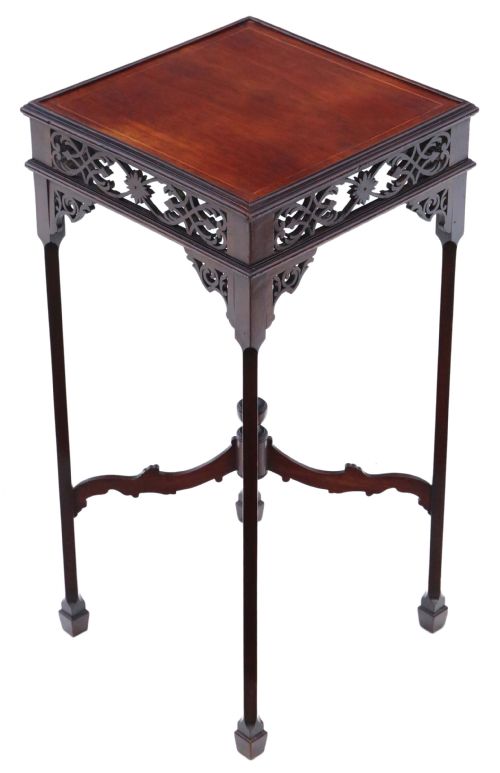
When you search for a georgian fretwork side table, you encounter practical furniture designed for display and daily utility. The listings include forms such as silver tables, lowboys, Pembroke tables, and occasional tables originating from the eighteenth century onwards.
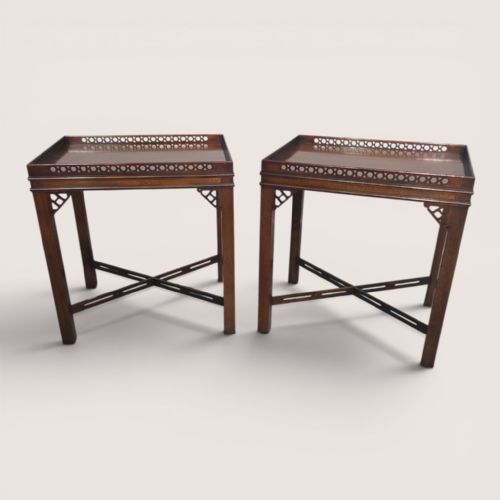
The versions you meet most frequently on this page span the original Georgian period as well as later revivals from the nineteenth and early twentieth centuries. These pieces often feature pierced brackets and openwork carving beneath the top frame.
Makers and workshops across different eras adapted these fretwork designs for various domestic rooms, producing side tables, lamp tables, and console tables in solid timber and veneer.
Materials and construction
Cabinet makers built these tables primarily using mahogany, complemented by walnut, oak, padauk, satinwood, and flame mahogany veneer. Solid timbers provided structural stability for the legs and frames, while veneers allowed artisans to display figured grain patterns on table tops.
Brass fittings, such as handles or castors, frequently accompany these tables, alongside occasional glass components. Joinery methods included traditional mortise and tenon joints, hand-carved fretwork brackets, and concertina actions for expanding top surfaces.
Georgian Fretwork Side Table Retail Price Guide 2026
Typical asking prices for georgian fretwork side table among the pieces listed under this phrase on Sellingantiques today, from the lower quarter to the upper quarter. They describe what is for sale here now, not the wider market.
Several tables include clever concertina actions or display shelf stretchers for midnight reading.
Assessing quality and craftsmanship
The distinction between standard items and superior examples lies in the crispness of the carved fretwork and the selection of timber. Finer pieces display deeply undercut piercing on brackets and aprons rather than shallow or machine-cut profiling.
Timber choice and grain matching also elevate a table, with well-figured flame mahogany or contrasting satinwood indicating careful material selection by the maker. Original surface patination and intact structural joinery further separate everyday pieces from exceptional survivals.
Butler
The Georgian Fretwork Side Table Glossary
- Fretwork
- Openwork ornamentation carved or pierced from a flat board. This decorative technique creates intricate geometric or interlaced patterns along table brackets and aprons.
- Lowboy
- A small low dressing table or side table featuring drawers beneath the surface. These pieces typically stand on slender cabriole or straight legs.
- Silver table
- A specialised display table with a raised gallery edge designed to hold silver tea services or porcelain. Eighteenth-century examples often feature elaborate carved fretwork framing.
- Pembroke table
- A drop-leaf table with hinged flaps on either side. It frequently includes a single drawer and serves as a versatile occasional piece.
- Concertina action
- An expanding frame mechanism used on card tables. It allows the rear legs to extend outward when opening the folding top surface.
Georgian Fretwork Side Table: Frequently Asked Questions
What is a georgian fretwork side table used for?
These tables served various domestic purposes, including displaying porcelain, holding tea services, or acting as writing and lamp surfaces.
Today, they function well as decorative console pieces in hallways or as occasional tables in living spaces.
How do I distinguish an 18th-century piece from a revival?
Eighteenth-century examples display period construction methods, timber ageing, and hand-tool marks unique to early workshops. Revival pieces from the Victorian and Edwardian eras often show standardised machine milling and different secondary woods.
Examining the underside, drawer linings, and joint construction helps determine the exact period of manufacture.
What woods were used for these tables?
Makers predominantly worked with mahogany, complemented by walnut, oak, padauk, and satinwood. Flame mahogany veneer was frequently applied to table tops to create decorative grain patterns.
Brass hardware and glass elements also appear across various styles and periods.
Where should I place a side table in my home?
These tables fit easily into entryways, reception rooms, or alongside seating areas where surface space is required. Their narrow proportions make them suitable for corridors and smaller alcoves.
Placing them away from direct heat sources helps preserve the antique timber and veneer.