

Georgian Footed Bowl
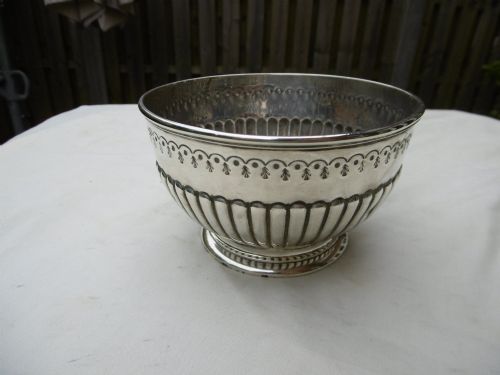
A georgian footed bowl is a raised vessel of lead glass, silver or earthenware meant to anchor a table with proper weight and historic character.
Georgian Footed Bowl
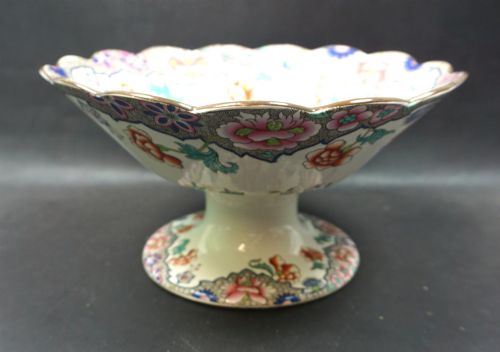
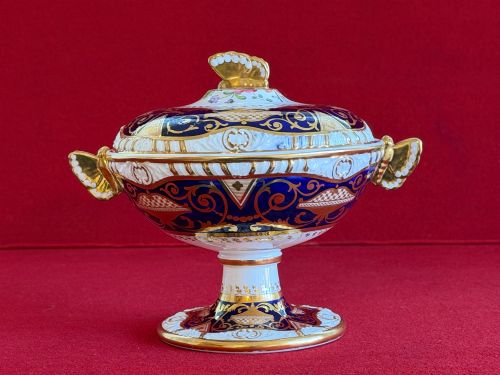
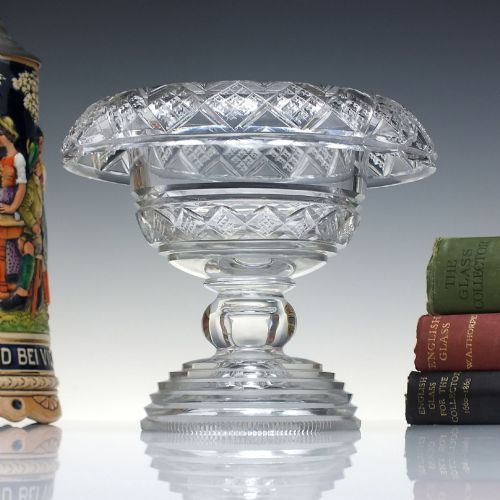
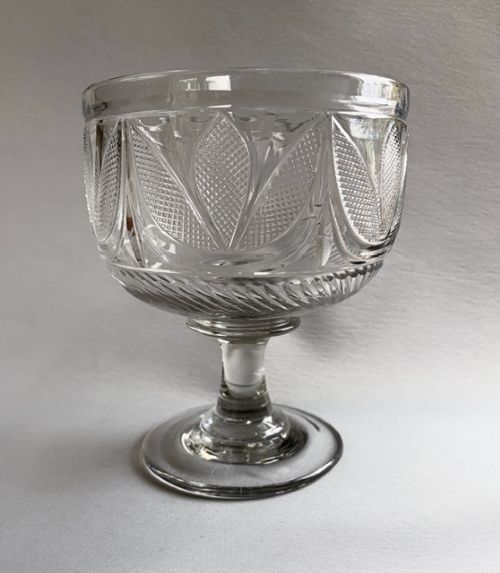
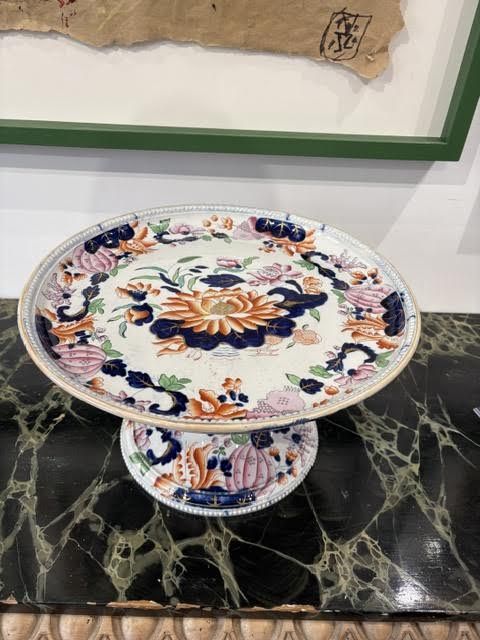
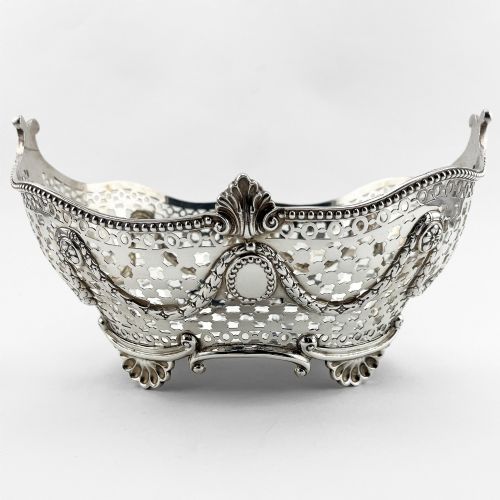
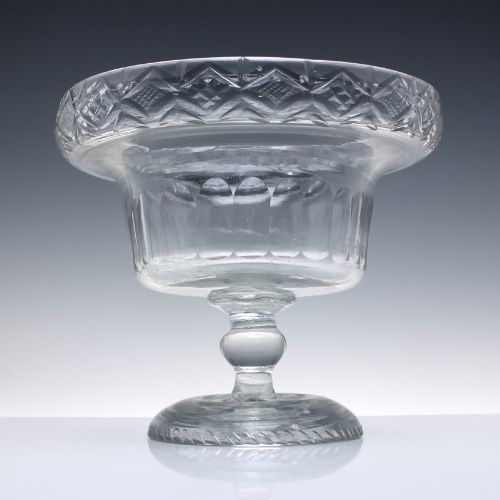
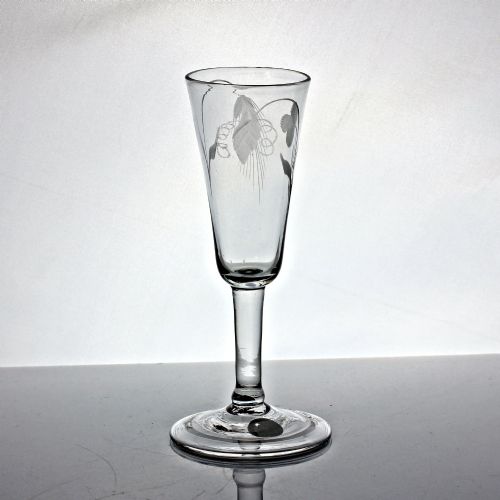
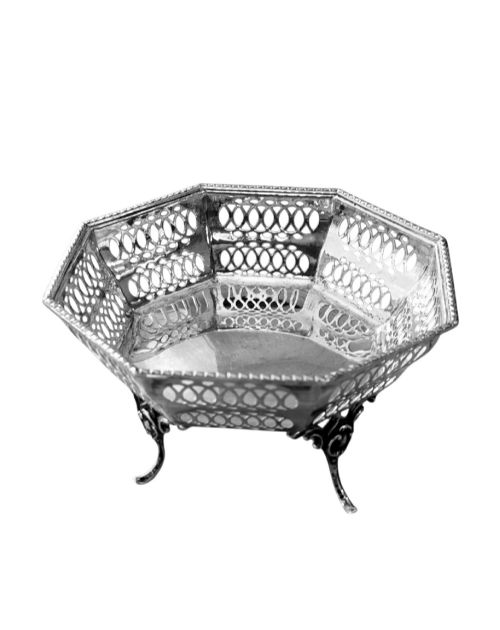
When you search for a georgian footed bowl, you encounter table vessels produced across the eighteenth and nineteenth centuries, including transfer-printed ironstone comports, silver pedestal pieces, and lead glass examples raised on folded or domed feet.
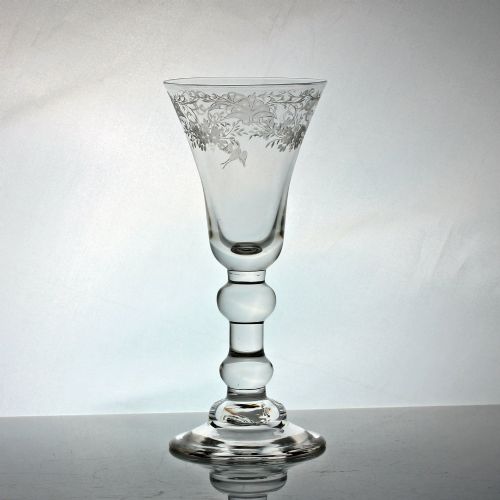
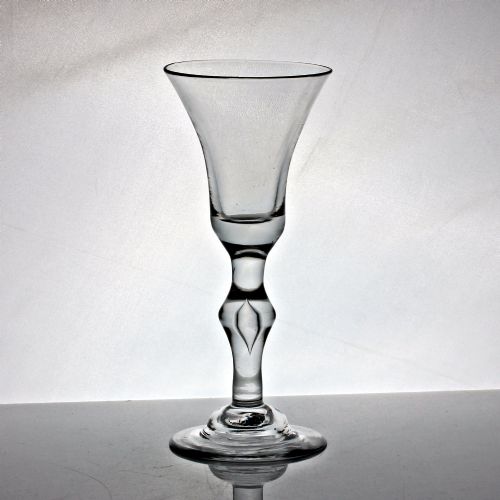
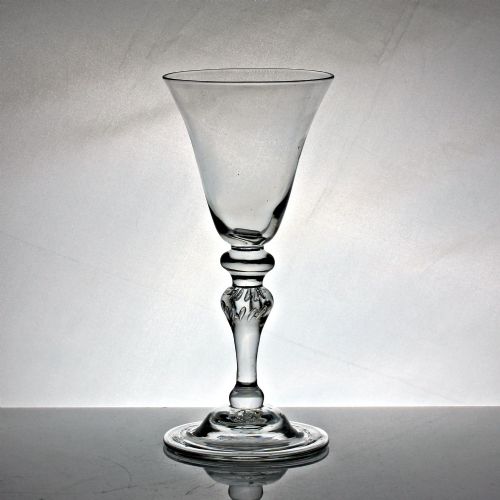
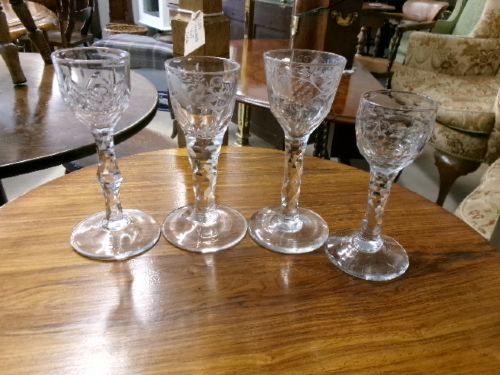
The glassware dominates this selection, ranging from bell-bowl wine glasses and sweetmeat vessels to turnover bowls resting on stable bases.
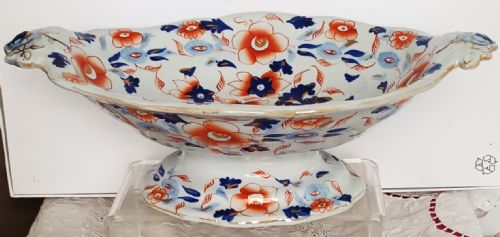
Ceramic comports and blue and white transfer pottery pieces also appear, alongside sterling silver bowls created by notable silversmiths of the period.
Materials and Construction
Glass pieces utilise heavy lead glass and clear crystal shaped into baluster, balustroid, or plain stems supporting ribbed or engraved bowls above folded or domed feet.
Silver vessels take form through skilled smithing, producing weighted bowls hallmarked in centres such as Birmingham and London.
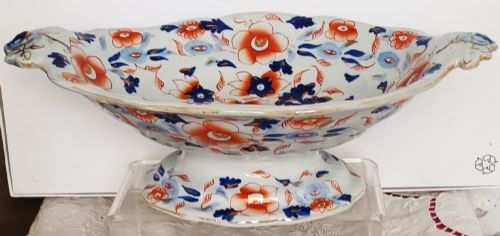
Ceramic comports and tureens employ earthenware and ironstone, decorated with blue and white transfer patterns including Japan and Elephant motifs.
Georgian Footed Bowl Retail Price Guide 2026
Typical asking prices for georgian footed bowl among the pieces listed under this phrase on Sellingantiques today, from the lower quarter to the upper quarter. They describe what is for sale here now, not the wider market.
Some bowls feature an elephant wandering across blue and white transfer pottery, proving eighteenth-century tables possessed a wild imagination.
Markers of Distinction
Quality rests in the crispness of the cutting, the clarity of the lead glass, and the depth of the blue and white transfer printing on pottery comports.
Form and proportion govern value, particularly where footed bases retain their folded rims, domed profiles, or original silver hallmarks without excessive wear.
Synyer & Beddoes·Peter and William Bateman·John Rogers & Son·Edward Wood
The Georgian Footed Bowl Glossary
- Folded foot
- A glass foot formed by doubling the hot metal back underneath itself to create a thickened, stable rim. This technique strengthens the base against chipping during daily use on wooden tables.
- Comport
- A raised shallow dish or bowl used for serving fruit or sweetmeats at the table. These elevated vessels bring height and structure to a dining arrangement.
- Baluster stem
- A thick, curved glass stem that echoes architectural pillars of the period. Makers fashioned these robust supports to balance heavy bowls above a wide foot.
- Transfer printing
- A ceramic decoration method using an engraved copper plate to transfer inked patterns onto pottery bodies. This process allowed crisp blue and white designs like the elephant motif to cover large comports.
Georgian Footed Bowl: Frequently Asked Questions
What is a georgian footed bowl used for?
These vessels served various functions on historical dining tables, from holding fruits and sweetmeats to containing sugar or serving as monteith glasses.
Silver examples often acted as salts or presentation bowls, while glass versions elevated contents above the linen.
How do I care for a glass footed bowl?
Wash glass pieces gently by hand in warm water using mild soap, avoiding sudden temperature shifts that stress old metal.
Store them on stable flat surfaces where their heavy lead bases are fully supported.
How can I tell the age of these bowls?
Dating relies on material characteristics, such as the grey tone and weight of eighteenth-century lead glass versus nineteenth-century ironstone.
Silver pieces carry hallmarks that record the exact year and assay office of production.
Are ceramic and glass bowls from the same period?
Both materials span the eighteenth and nineteenth centuries, though lead glass forms tend to cluster earlier in the Georgian era.
Transfer-printed earthenware comports generally emerge toward the end of the period and into Regency times.