

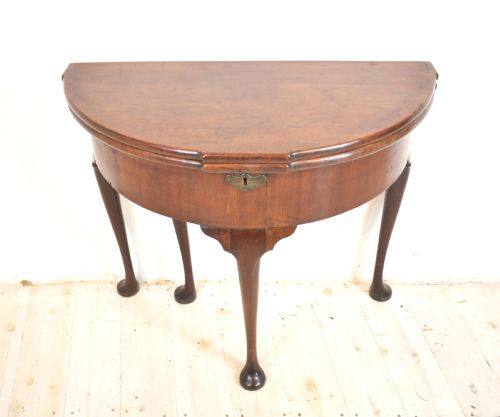
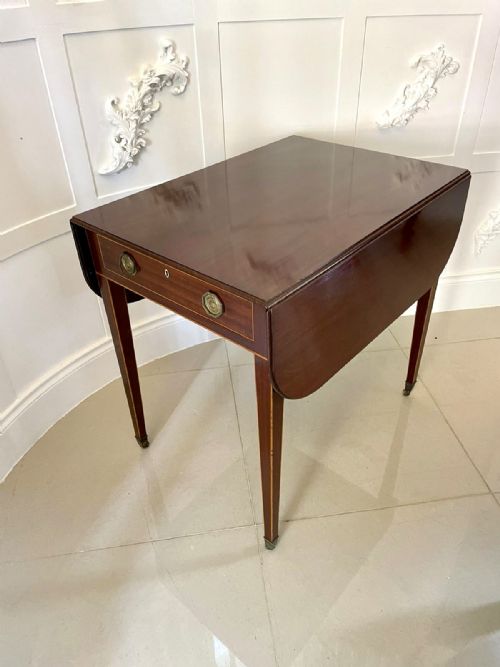


Georgian Fold Down Table
A georgian fold down table offers clever transforming utility, moving effortlessly from a compact console to a generous surface for cards, tea, or dining.
Georgian Fold Down Table
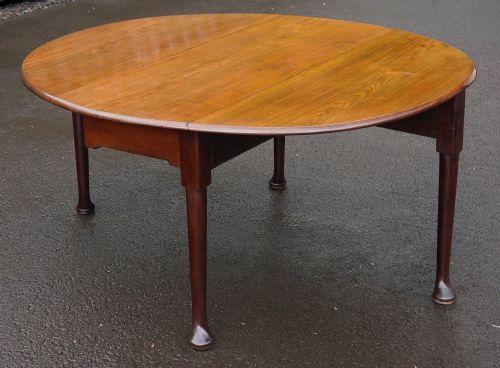
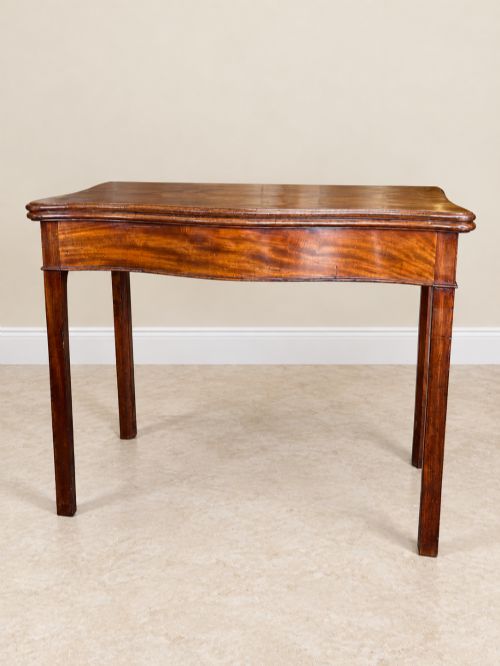
When you search for a georgian fold down table, you encounter an ingenious variety of adaptable furniture designed to expand when needed and fold away to save space. The selection spans card tables, tea tables, pembroke tables, dining tables, and drop-leaf forms originating from periods including the eighteenth century, Victorian era, and Edwardian times.
Mahogany predominates among the materials, often featuring flame grain, satinwood, boxwood inlay, oak, and occasional rosewood. Styles range from George I, George II, and George III to English Country, William IV, and Victorian interpretations of earlier designs.
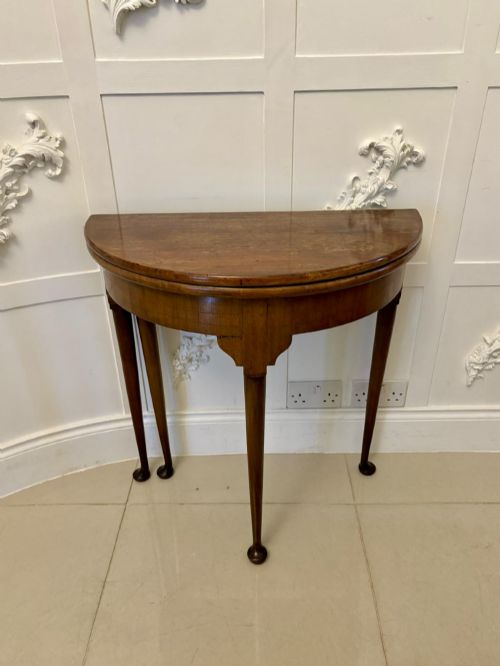
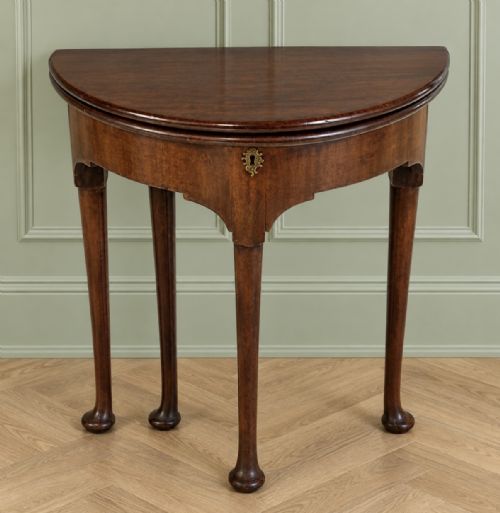
Card and tea tables with fold-over leaves appear frequently alongside gateleg and drop-leaf dining formats. These tables served multiple domestic functions in period homes, functioning as side consoles before opening for evening entertainment or meals.
What varies in quality
Quality rests upon the selection of timber figures, such as rich flame mahogany or finely figured satinwood, matched with precise inlay work. Superior examples demonstrate crisp carving on legs and rails, alongside well-fitted hinges and smooth mechanical action in the folding mechanisms.
Georgian Fold Down Table Retail Price Guide 2026
Typical asking prices for georgian fold down table among the pieces listed under this phrase on Sellingantiques today, from the lower quarter to the upper quarter. They describe what is for sale here now, not the wider market.
Current listings feature eighteenth-century pieces alongside Victorian and Edwardian examples constructed in mahogany, oak, satinwood, and rosewood.
The Georgian Fold Down Table Glossary
- Foldover leaf
- A hinged top surface that doubles the table area when unfolded and supported by a swing leg or pivoting frame.
- Gateleg table
- A drop-leaf table with hinged legs that swing out like a gate to support the raised leaves.
- Pembroke table
- A small rectangular table with hinged drop leaves on two opposing sides and typically a single drawer.
- Demi-lune table
- A half-moon shaped console table designed to sit flush against a wall, which often unfolds into a full circle for games or dining.
- Satinwood
- A pale, lustrous exotic timber native to India and Ceylon, frequently utilised for fine veneers and intricate inlay.
Georgian Fold Down Table: Frequently Asked Questions
How were fold down tables used in period homes?
These versatile pieces stood against parlour or drawing room walls as slim console or side tables when closed. Owners opened them out specifically for tea drinking, card playing, or accommodating extra diners.
Their dual nature provided maximum floor space during the day and practical surface area when social gatherings required it.
What is the difference between a card table and a tea table?
Card tables generally feature a green baize or felt playing surface concealed within the folded top, often accompanied by small corner candle recesses or guinea wells. Tea tables typically display plain polished wood interiors designed to hold porcelain tea services safely.
Both utilise fold-over or pivoting mechanisms, but their interior fittings reflect their distinct domestic uses.
How do I care for a mahogany fold down table?
Keep the wood away from direct sunlight and strong heat sources to prevent the timber veneers from drying and cracking. Apply natural beeswax polish periodically and buff gently with a soft cloth to maintain the surface sheen.
Protect the folding mechanism by supporting the weight of the leaf properly when opening and closing rather than relying solely on the hinges.
How can I tell a Georgian table from a Victorian copy?
Examine the timber selection, construction methods, and secondary woods used for drawer linings and interior framing. Georgian pieces often display hand-cut joinery and native secondary timbers, while later Victorian interpretations may feature machine-sawn components and heavier proportions.
Inlay work and brass hardware styles also provide clear chronological clues regarding the date of manufacture.