





Georgian Figure Study
A georgian figure study captures the human form with the direct observation and classical discipline typical of the period.
Georgian Figure Study
A georgian figure study encompasses works executed on paper, canvas, and panel, ranging from detailed anatomical illustrations to intimate portrait sketches. Buyers searching for a georgian figure study will encounter works attributed to various European schools alongside later interpretations and revivals.
The material forms vary considerably, taking shape as framed oil paintings, watercolours, pastels, and engravings. Academic exercises capturing limbs or heads appear alongside broader compositional works depicting figures in domestic or mythological settings.
Works span the eighteenth century into the nineteenth, reflecting both contemporary observation and later historicist revivals. The selection demonstrates the enduring appeal of draughtsmanship across multiple media and academic traditions.
Assessing quality and execution
Quality rests upon the sureness of the line, the accuracy of anatomical proportion, and the expressive handling of the medium. Confident draughtsmanship distinguishes accomplished academic exercises from more rigid, formulaic productions.
Condition of the support plays a central role, as paper and panel are susceptible to fading, foxing, and surface abrasion over time. Intact historical frames and well-preserved primary surfaces elevate the standing of an individual piece.
Georgian Figure Study Retail Price Guide 2026
Typical asking prices for georgian figure study among the pieces listed under this phrase on Sellingantiques today, from the lower quarter to the upper quarter. They describe what is for sale here now, not the wider market.
An eighteenth-century engraving preserves the likeness of Kaikas, reminding us that ancient winds still blow.
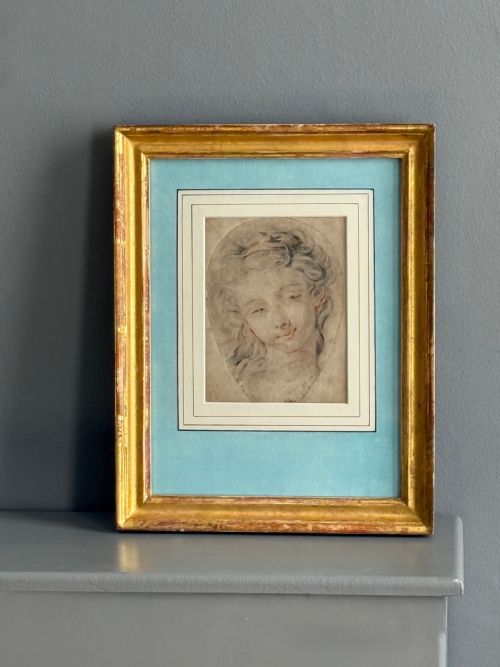
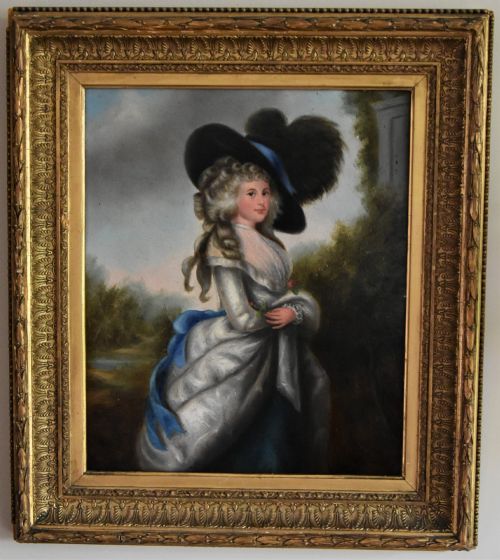
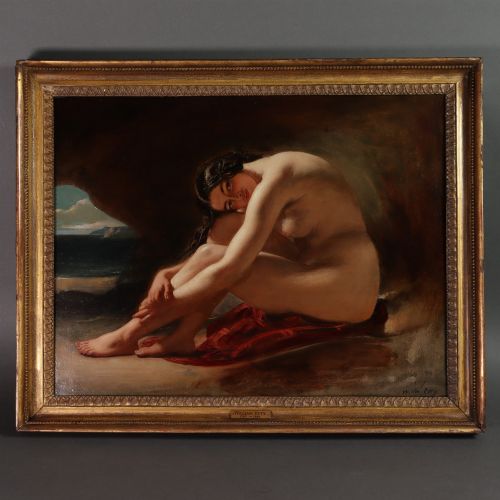
Francois Boucher·William Etty·John Hoppner
The Georgian Figure Study Glossary
- Study
- A preparatory drawing or painting made to explore a subject or composition before executing a finished work. These pieces often reveal the artist's working method and direct observation more clearly than formal portraits.
- Oil on paper
- A painting technique where oil paint is applied directly to a paper support, sometimes treated with a size or ground. This method was frequently utilised for rapid oil sketches and academic figure studies.
- Watercolour
- A painting method where fine pigment is suspended in a water-soluble binder, traditionally applied to paper. It allows for translucent washes and delicate tonal gradation.
- Engraving
- A printmaking process where an image is cut into a metal plate with a burin, holding ink in the incised grooves to be transferred under pressure. This technique produced sharp, enduring lines suitable for reproductive prints and illustrations.
- Pastel
- A dry medium composed of powdered pigment and a binder, shaped into sticks for drawing. It yields velvety textures and subtle colour blending.
Georgian Figure Study: Frequently Asked Questions
What is a figure study?
A figure study is a drawing, painting, or print created to examine the human body, capturing form, posture, and musculature from direct observation. Artists produced these works either as preparatory exercises for larger compositions or as standalone explorations.
Such pieces highlight the technical skill of the draughtsman without the formal constraints of commissioned portraiture.
How do I date these works?
Dating relies upon stylistic markers, costume details, the physical characteristics of the paper or panel, and framing methods. Written inscriptions on the reverse or contemporary documentation often provide precise attribution.
Comparison with documented academic exercises from the same period helps narrow the timeframe of execution.
Where should I hang them?
Works on paper require protection from direct sunlight and excessive humidity to prevent fading and degradation of the support. Placing them in climate-controlled rooms away from direct heat sources ensures their preservation.
Pairing framed studies with traditional interiors complements their historic character and visual subtlety.
Are these works original?
The selection includes period pieces executed in the eighteenth and nineteenth centuries, alongside later academic exercises and revival works. Each listing specifies the primary medium and period assigned to the piece.
Examining the surface under magnification reveals the handling of pigment and the texture of the original support.