





Georgian Faux Bamboo
Georgian faux bamboo pieces bring inventive painted charm to interiors through simulated plant stems transformed into sturdy wooden furniture.
Georgian Faux Bamboo
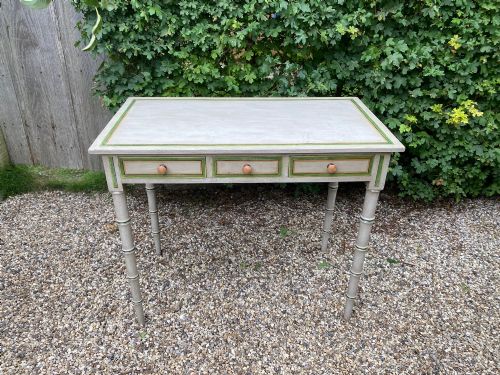
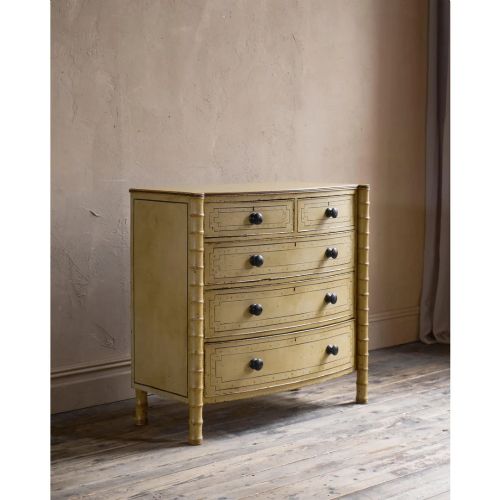
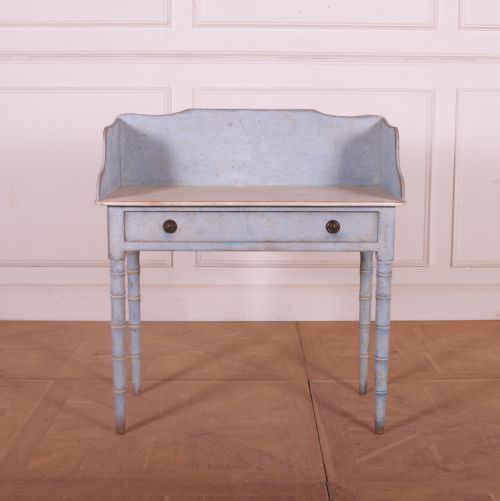
Georgian faux bamboo furniture translates the exotic forms of natural oriental cane into solid timber frames through careful carpentry and paint. When you search for georgian faux bamboo, you encounter seating, storage and small tables produced during the Regency and later revival periods.
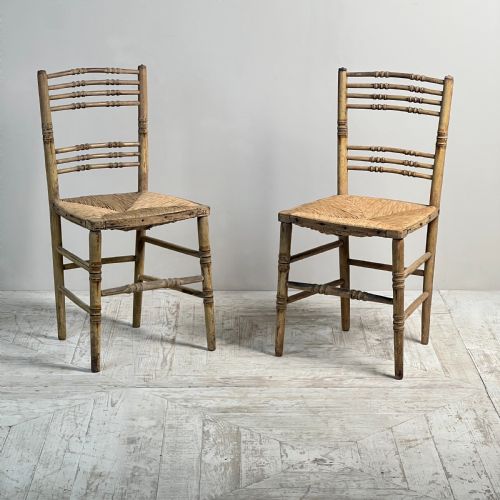
Side chairs and armchairs dominate the selections, frequently featuring rush seats alongside painted decoration that mimics jointed bamboo culms. Chests of drawers and writing tables appear less often, offering practical surfaces combined with distinctive turned woodwork.
Materials and construction
Craftsmen shaped softwood, pine and other timbers on lathes to recreate the characteristic nodes and swelling rings of real bamboo. These wooden frames then received skilled paint layers, often ebonised or decorated to imitate natural grain and texture.
Secondary materials such as rush provide durable woven seating surfaces on chairs, while brass fittings occasionally appear on tables and storage pieces. The combination of turned woodwork and surface paint creates a convincing decorative illusion that outlasts true plant material.
Georgian Faux Bamboo Retail Price Guide 2026
Typical asking prices for georgian faux bamboo among the pieces listed under this phrase on Sellingantiques today, from the lower quarter to the upper quarter. They describe what is for sale here now, not the wider market.
Early turners went to extraordinary lengths to carve stubborn timber into bumpy plant stems just to fool dinner guests.
Judging quality in faux bamboo
Quality rests upon the fidelity of the turning and the preservation of the original painted surface decoration. Pieces displaying crisp nodes and subtle tonal paintwork demonstrate superior workshop skill compared to flat or uniform finishes.
The integrity of the underlying timber structure and the survival of early or original paint layers separate everyday examples from more accomplished works. Subtle brushwork and careful colour layering elevate the decorative impact of the furniture.
The Georgian Faux Bamboo Glossary
- Faux bamboo
- Simulated cane furniture carved from timber and painted to resemble real bamboo stalks. This technique flourished during the Regency period.
- Regency
- An architectural and design era spanning the early nineteenth century known for classical revival and exotic influences. Furniture from this time often displays lighter proportions.
- Rush
- Woven marsh plant material used traditionally for chair seats. It provides a strong, flexible surface that complements turned wooden frames.
- Ebonised
- Wood finished with a dark stain or black paint to imitate expensive ebony. This treatment was popular on Regency seating.
Georgian Faux Bamboo: Frequently Asked Questions
What is georgian faux bamboo furniture?
These items are wooden pieces carved and painted to replicate real bamboo stalks. Craftsmen produced them to satisfy an eighteenth and nineteenth century appetite for exotic design.
Surviving examples include chairs, chests of drawers and small tables. They combine structural timber with decorative paintwork.
How do I care for painted faux bamboo?
Keep these pieces away from direct sunlight and excessive moisture to protect the historic paint layers. Dust them gently with a dry, soft cloth.
Avoid chemical polishes or modern cleaning sprays. Gentle maintenance preserves the delicate surface decoration.
Are these pieces from the Regency period?
Many examples date from the Regency era, while others stem from later nineteenth century or Edwardian revivals. Makers reproduced the style across multiple decades.
Construction methods and timber types help distinguish original Regency items from later interpretations. Each period brought slight shifts in workshop practice.
How were these items used originally?
Owners placed these decorative items in light-filled reception rooms, bedrooms and libraries. Their playful aesthetic suited informal spaces within fashionable homes.
Chairs provided movable seating while small tables supported books or writing materials. Their manageable scale made them versatile additions to domestic interiors.