



Georgian Era Miniature
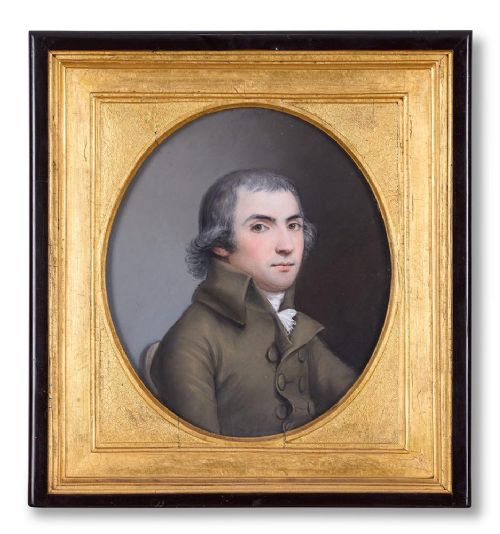
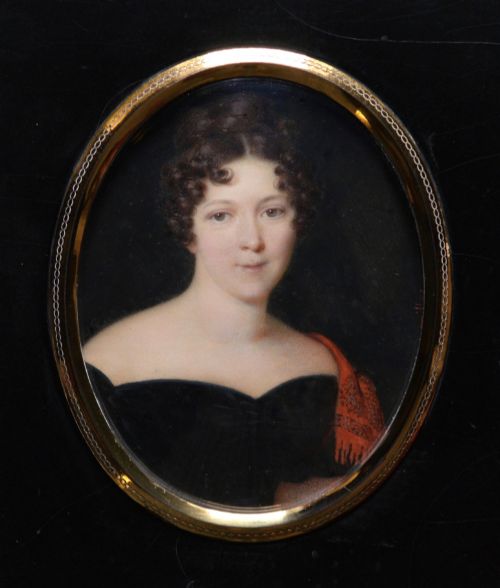
These georgian era miniature portraits offer an intimate window into the past, capturing sitters in delicate watercolour, pencil, and gouache.
Georgian Era Miniature
A georgian era miniature brings you face to face with individuals from the eighteenth and nineteenth centuries, captured in small-scale portrait paintings and drawings. When you search for a georgian era miniature, you encounter portable likenesses that often served as tokens of affection or personal remembrance among families.
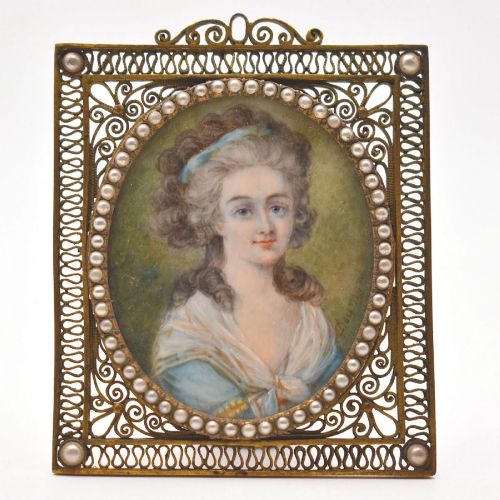
The pieces on this page span the georgian and regency periods, alongside related nineteenth-century works and continental examples. You are most likely to meet watercolour and pencil studies of young women, gentlemen, children, and officers, housed in period frames of wood, gilt metal, or ebonised timber.
Materials and construction
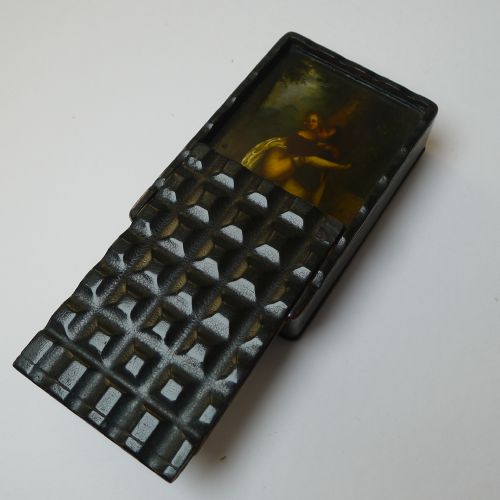
Finished works were secured behind protective glass within specialised surrounds, such as circular giltwood frames, ebonised wood cases, or elaborate gilt metal settings embellished with seed pearls. Some specialised items, like snuff boxes, incorporated concealed artwork within everyday objects.
Georgian Era Miniature Retail Price Guide 2026
Typical asking prices for georgian era miniature among the pieces listed under this phrase on Sellingantiques today, from the lower quarter to the upper quarter. They describe what is for sale here now, not the wider market.
German gentlemen occasionally hid secret erotic artwork inside their snuff boxes for private amusement.
Assessing quality and execution
The distinction between standard examples and the finest works lies in the draughtsmanship and the psychological depth of the portrait. Superior pieces capture personality and texture with economic brushwork, whilst lesser examples rely on stiffer, formulaic lines.
Materials also indicate the original investment in the commission, with heavy gilt frames, genuine seed pearl ornamentation, and named or signed works commanding closer attention from collectors than unsigned vernacular studies.
Anna Tonelli·Dumont·Stobwasser·George Clint·Lady Francis Herbert
The Georgian Era Miniature Glossary
- Watercolour
- A paint consisting of a pigment suspended in a water-based solution. It is the primary medium for most portrait miniatures of this era.
- Gouache
- An opaque water-based paint that provides solid areas of colour and highlights. Artists used it alongside watercolour to add depth to clothing and flesh tones.
- Ebonised wood
- Timber treated to imitate ebony, providing a dark, contrasting border. It was frequently used for small framed portrait studies.
- Seed pearl
- Very small natural pearls often sewn or set into jewellery and frame mounts. They add decorative texture to elite portrait settings.
- Gilt metal
- A base metal treated with a thin layer of gold or gold-coloured wash. It offered a precious appearance for frames without the cost of solid gold.
Georgian Era Miniature: Frequently Asked Questions
What is a georgian era miniature?
A georgian era miniature is a small-scale portrait, usually painted in watercolour or drawn in pencil, depicting individuals from the eighteenth and early nineteenth centuries. These portable works allowed people to carry likenesses of family members or public figures.
They reflect the portraiture conventions of the georgian and regency eras, ranging from intimate domestic commissions to theatrical studies.
How were these miniatures displayed?
Most portrait miniatures were designed to be framed and hung on walls, often within small circular wooden or gilded surrounds. Some were mounted in hinged cases or integrated into personal objects like snuff boxes.
Their domestic scale meant they could be grouped together in intimate spaces rather than grand reception rooms.
How do I care for a miniature?
Protect paper and watercolour works from direct sunlight to prevent fading of the pigments over time. Keep them in stable environmental conditions away from excessive moisture.
Avoid opening sealed frames, as the paper and delicate painted surfaces inside are vulnerable to atmospheric changes and physical damage.
How can I tell the period?
Dating relies on costume, hair styling, and the framing materials characteristic of the georgian and regency eras. Details such as high-waisted dresses or specific military uniforms offer clear chronological clues.
Signatures, inscriptions on the reverse, and historical attribution records also help establish a precise timeframe.