

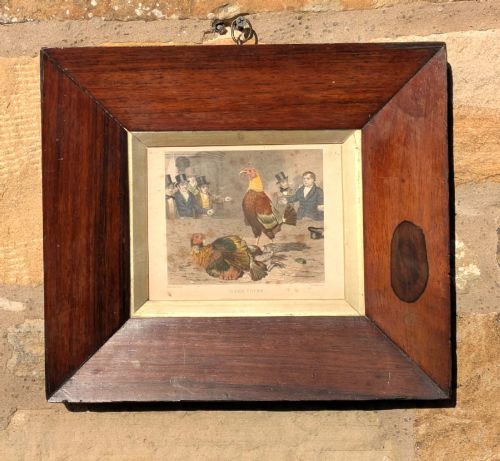
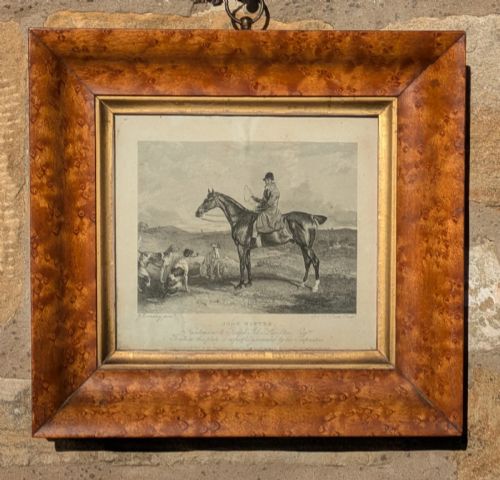
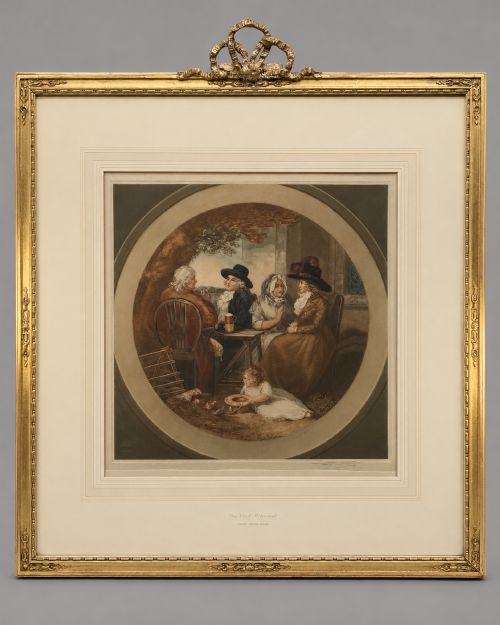
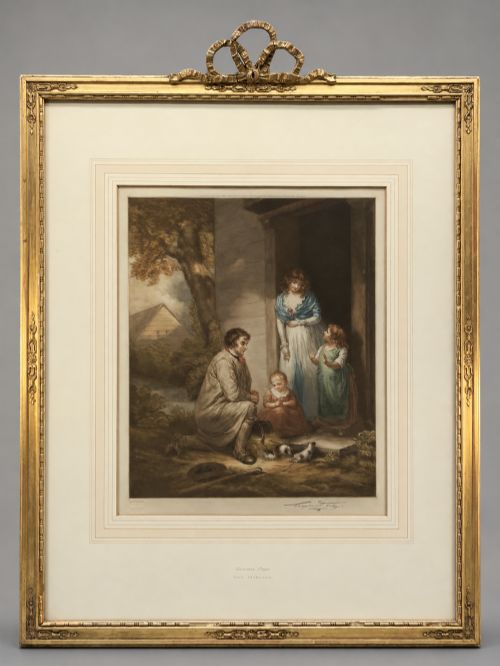
Georgian Engraved Print
When you search for a georgian engraved print, you encounter historic portraiture and topographical views rendered on paper through delicate metalplate techniques.
Georgian Engraved Print
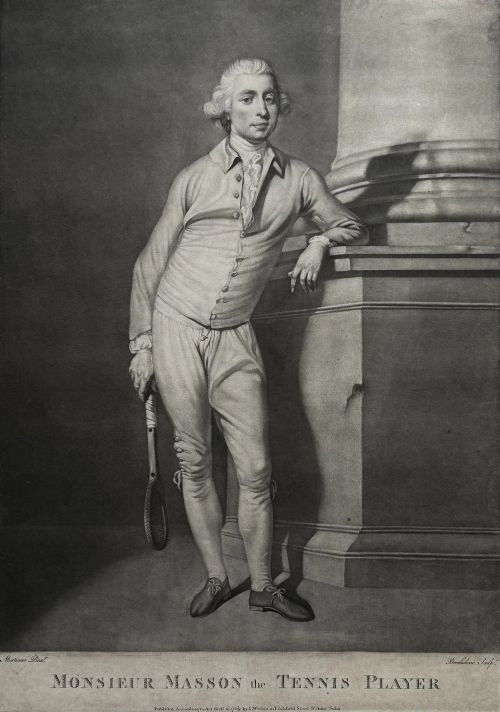
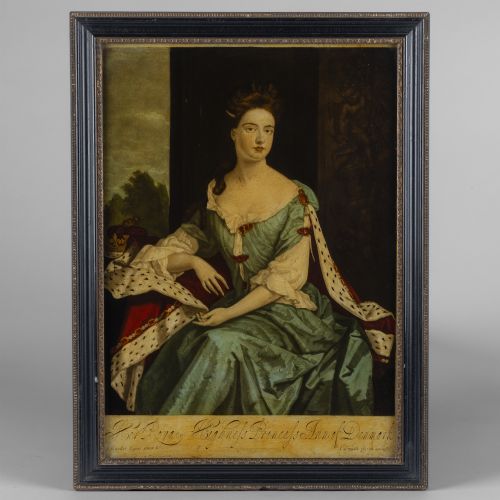
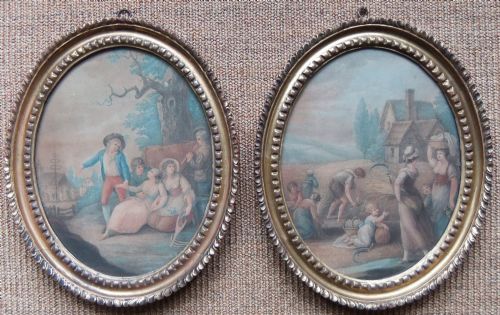
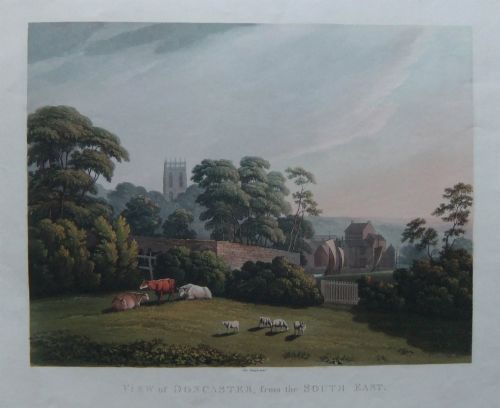
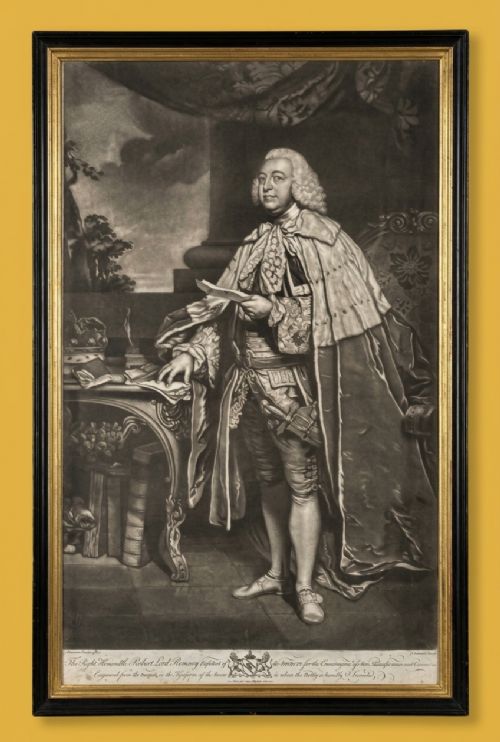
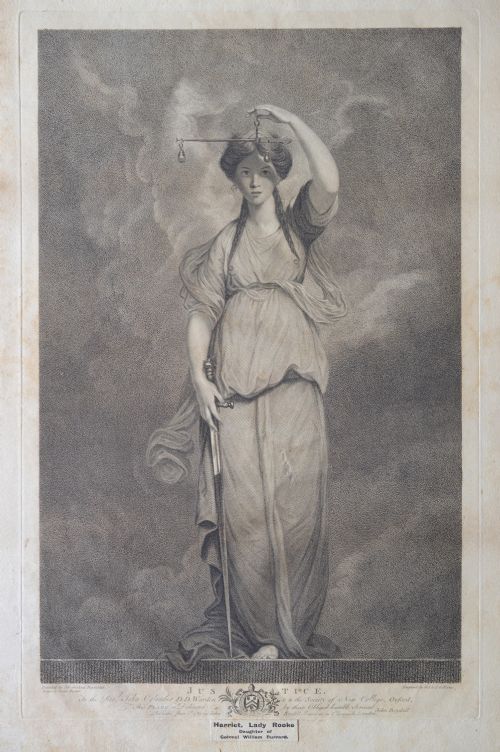
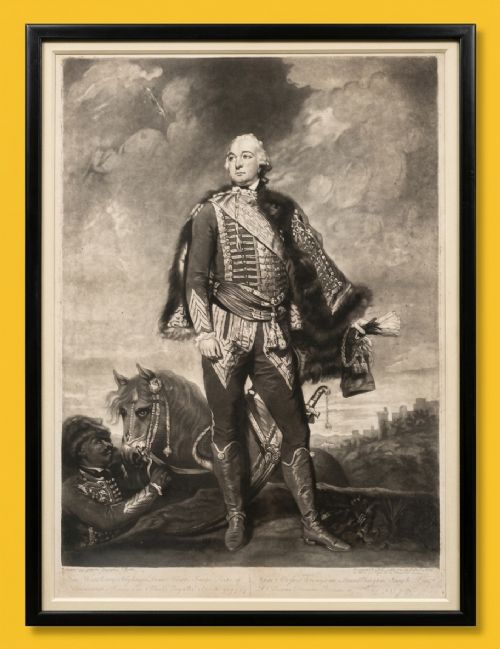
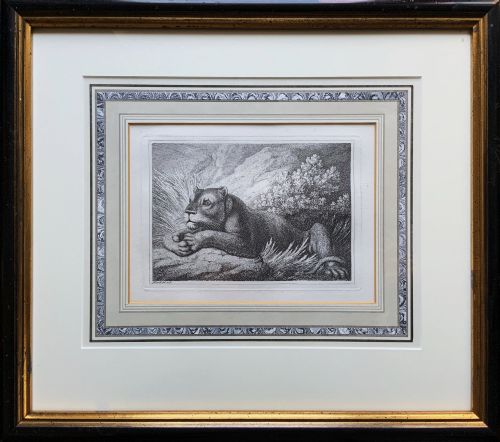
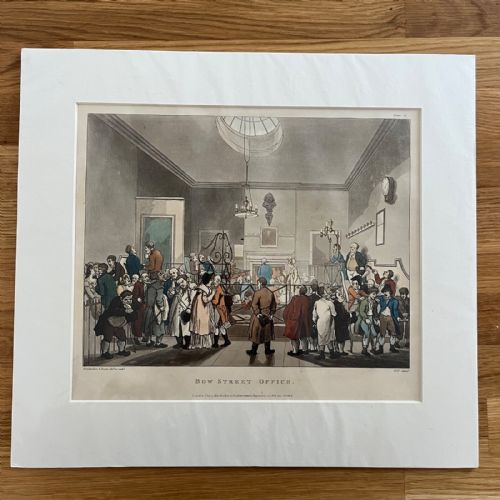
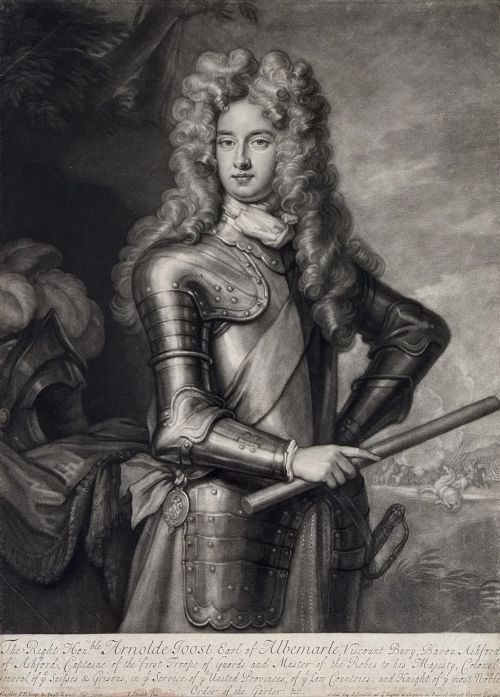
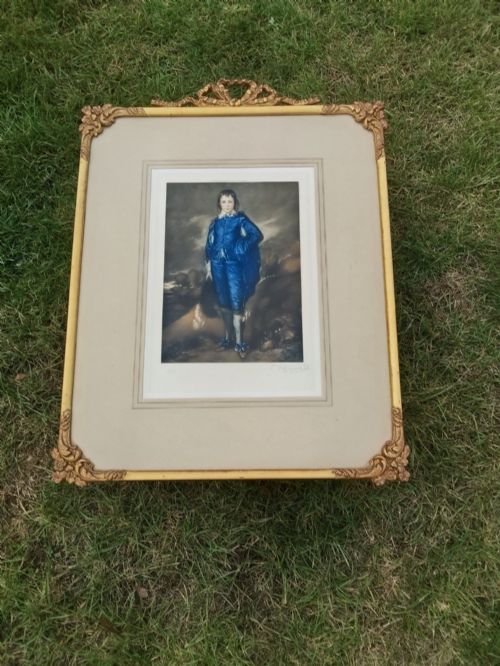
A georgian engraved print encompasses framed artworks executed primarily during the eighteenth and early nineteenth centuries. The selection on this page centres on framed prints and wall art, including notable mezzotint portraits after painters such as Sir Joshua Reynolds, alongside maps and animal studies.
Buyers will find depictions of nobility, literary figures, and historical scenes housed within period frames of wood and giltwood. These works represent the predominant graphic techniques of the Georgian era, produced by master printmakers working from painted originals.
Assessing craftsmanship
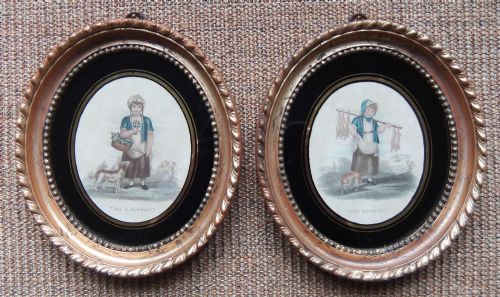
Quality rests upon the crispness of the impression pulled from the metal plate, where early strikes retain sharper contrasts than later worn impressions. The nuance of hand applied pigment on coloured plates also elevates certain examples above standard monochrome prints.
The preservation of the paper sheet and the survival of the original giltwood or wooden frame contribute significantly to desirability. Strong contrasts in mezzotints and delicate dot work in stipple engravings demonstrate superior technical execution by the printer.
Georgian Engraved Print Retail Price Guide 2026
Typical asking prices for georgian engraved print among the pieces listed under this phrase on Sellingantiques today, from the lower quarter to the upper quarter. They describe what is for sale here now, not the wider market.
Listings incorporate items spanning the seventeenth century through the nineteenth century, utilising paper, ink, wood, and gold leaf.
William Barnard·George Keating·John Smith·Thomas Frye·James Watson·John Jones·Thomas Watson·Francesco Bartolozzi·Valentine Green·Edward Fisher
The Georgian Engraved Print Glossary
- Mezzotint
- A printmaking process where the copper plate is roughened uniformly to produce rich dark tones, and scraped away in lighter areas to form the image. This technique allows for subtle gradients and soft atmospheric effects.
- Stipple engraving
- A method of producing images on a metal plate through a dense pattern of dots rather than continuous lines. Artists used stippling to recreate the gentle texture of skin and fabric.
- Etching
- A technique where lines are bitten into a metal plate using acid before being inked and pressed onto paper. The resulting lines possess a characteristic fluidity.
- Giltwood
- Wood that has been coated with a thin layer of gold leaf or gold paint. It frequently appears on eighteenth century picture frames.
- Proof
- An early impression pulled from the printing plate to check the progress of the work before the main edition is printed.
Georgian Engraved Print: Frequently Asked Questions
How do I care for a georgian engraved print?
Keep the framed artwork away from direct sunlight to prevent the ink and paper from fading over time. Maintain stable indoor humidity levels to protect both the historical paper and the wooden frame.
Avoid hanging the piece in damp spaces such as kitchens or unheated rooms. Ensure the glass remains intact to shield the delicate surface from dust and atmospheric pollution.
What is the difference between an engraving and a mezzotint?
An engraving uses sharp tools to carve direct lines into a metal plate, creating crisp and detailed outlines. Mezzotints rely on roughening the entire plate surface to build up deep tones and soft shadows.
Mezzotints excel at rendering painterly portraits with gentle lighting, whereas standard engravings focus on precise linear detail and architectural or topographical accuracy.
Are these prints contemporary to the Georgian period?
The listings on this page consist of original period printings produced during the eighteenth and early nineteenth centuries. Each plate was impressed during the era of its subject rather than being a modern photographic reproduction.
Examining the paper substrate and ink deposition helps confirm the historical age of the sheet. Period frames often accompany these works, matching the stylistic conventions of the manufacturing date.
How were these prints originally displayed?
Wealthy patrons of the Georgian era typically framed these works to hang in domestic parlours, libraries, and drawing rooms. Portrait prints served both as decoration and as expressions of political or cultural allegiance.
Some collectors stored unbound prints in portfolios to protect them from light exposure before framing became widespread. Today, retaining the original frame adds considerable historical context to the piece.