



Georgian Embroidery
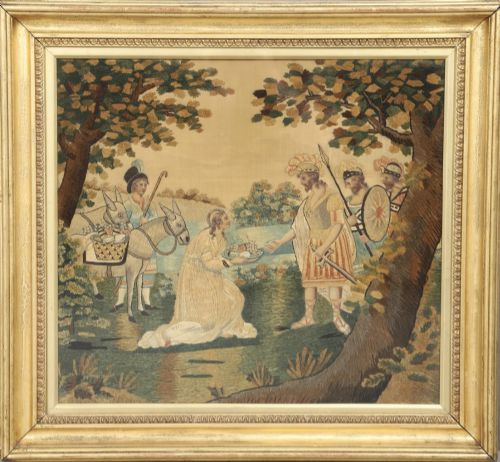
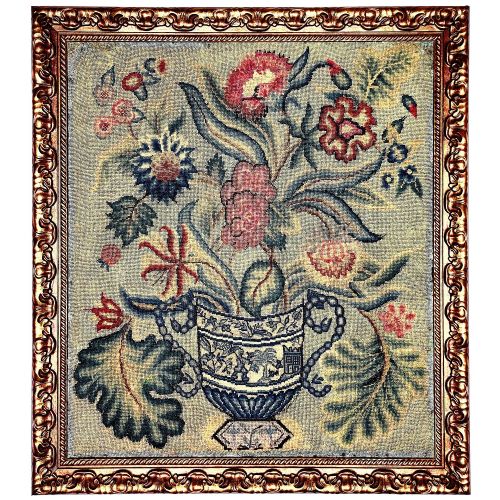
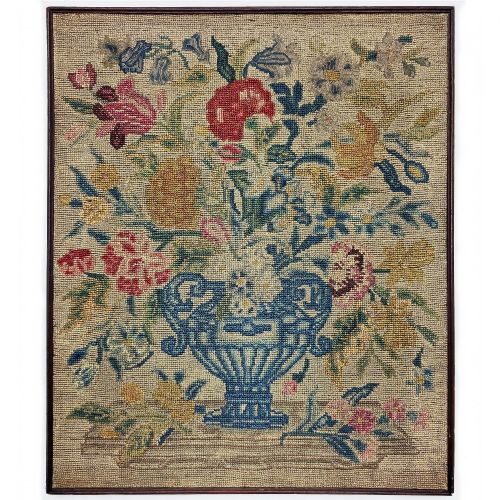
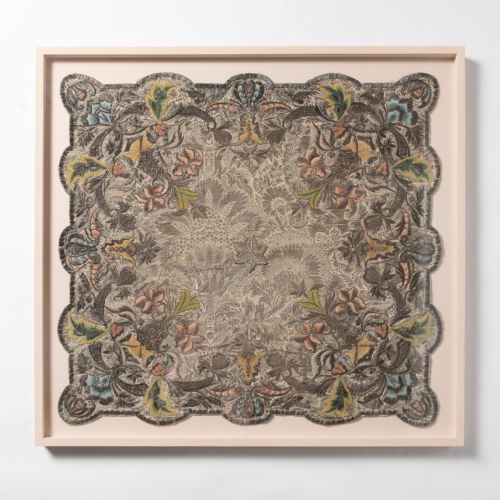
Georgian embroidery brings domestic needlework into frames and furnishings, offering tangible fragments of historical skill that collectors prize for their intricate detail.
Georgian Embroidery
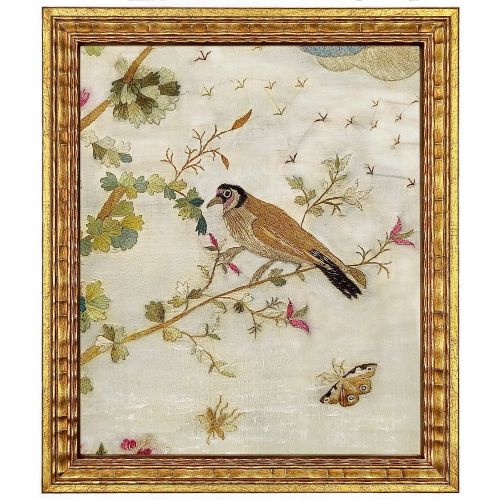
Georgian embroidery encompasses framed textile art, needlework samplers, maps, and decorative panels produced across the eighteenth and nineteenth centuries.
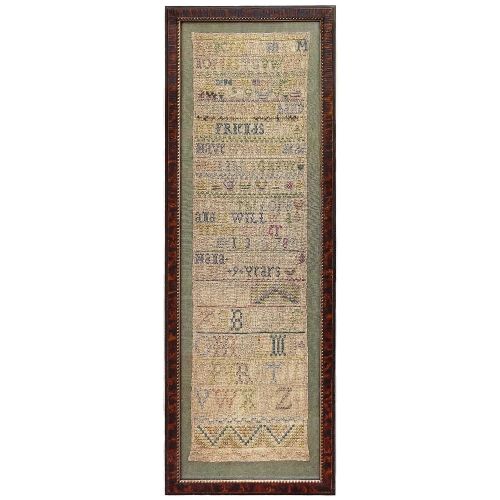
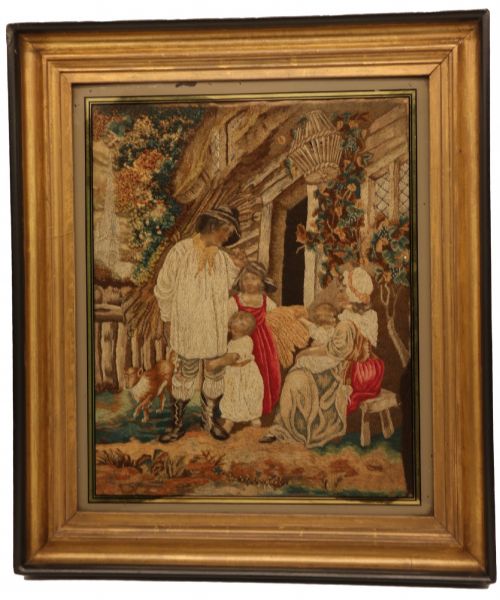
Collectors frequently encounter needlework pictures and alphabet samplers executed by young makers, alongside functional furniture housing textile elements.
The material record spans the Georgian, Regency, and early Victorian periods, capturing domestic craft through silk, wool, and linen works.
Materials and Techniques
Maker execution relies on silk floss, wool, and thread stitched onto supportive grounds of linen, often paired with hand-painted elements.
Framed pieces utilise timber mouldings including mahogany, rosewood, and giltwood, occasionally incorporating verre églomisé glass mounts.
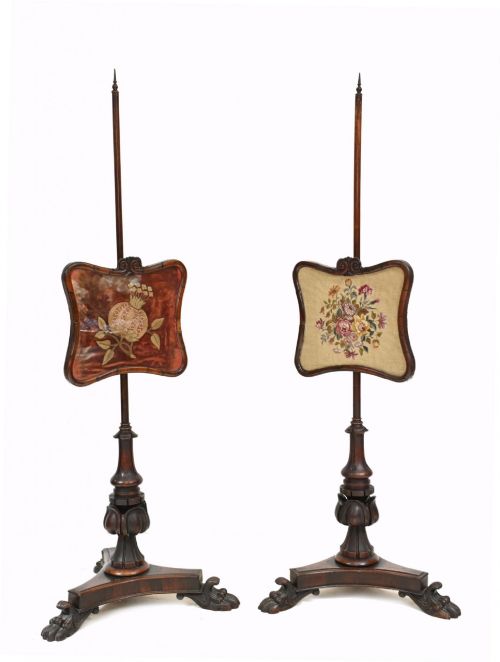
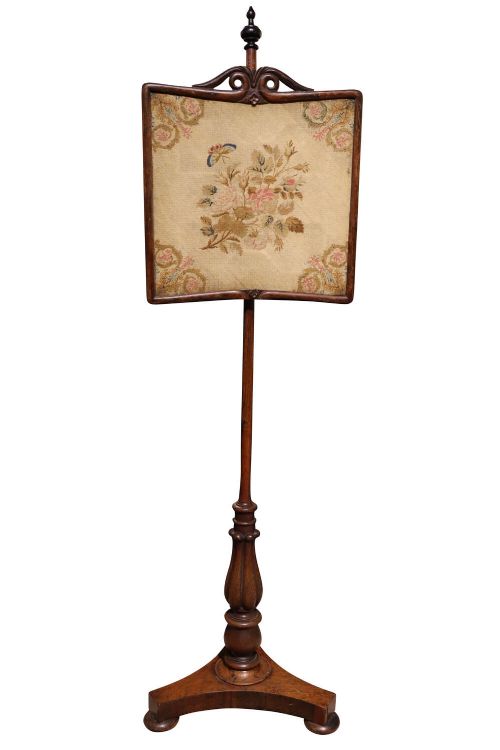
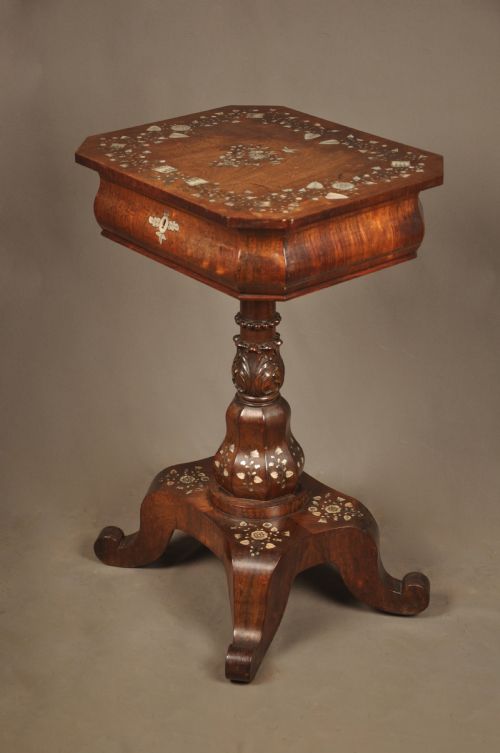
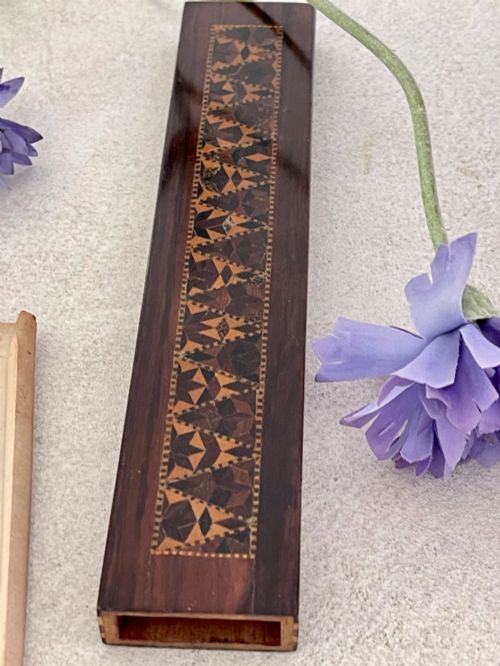
Specialised items integrate textiles into wooden frames such as pole screens, fire screens, and sewing tables.
Georgian Embroidery Retail Price Guide 2026
Typical asking prices for georgian embroidery among the pieces listed under this phrase on Sellingantiques today, from the lower quarter to the upper quarter. They describe what is for sale here now, not the wider market.
Listings span the eighteenth and nineteenth centuries, featuring materials such as silk, wool, linen, glass, mahogany, and giltwood.
Assessing Quality and Execution
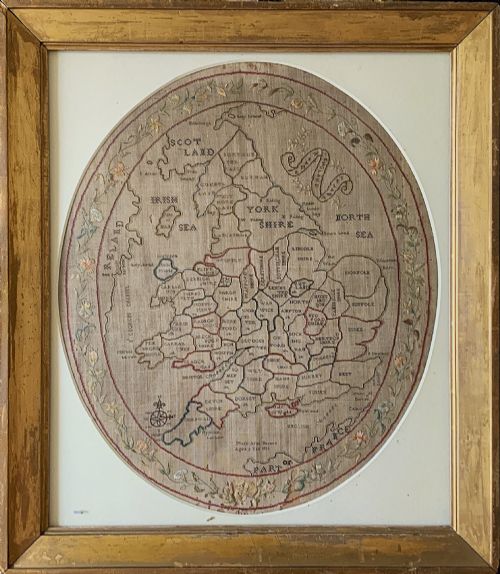
Technical proficiency distinguishes finer pictorial compositions and map samplers, where precise stitch work creates clear lettering and figurative detail.
The integrity of the textile surface and the originality of the associated wood or glass framing influence the overall standard of each piece.
Mary Banion·Mary Greening·Elizabeth Horn·Sarah Baker·Mary Street·Mary Mason·Ann B Gilies·Martha Hall
The Georgian Embroidery Glossary
- Sampler
- A piece of needlework produced to demonstrate proficiency in various stitches and lettering, often including alphabets and maker details.
- Verre églomisé
- A process of applying gold or silver leaf to glass along with reverse painting, frequently used for decorative picture borders.
- Pole screen
- A freestanding wooden screen with an adjustable vertical panel designed to block radiant heat from a fireplace.
- Crewel work
- Embroidery executed using wool yarn on a heavy linen or cotton foundation, producing textured surface patterns.
Georgian Embroidery: Frequently Asked Questions
What is a needlework sampler?
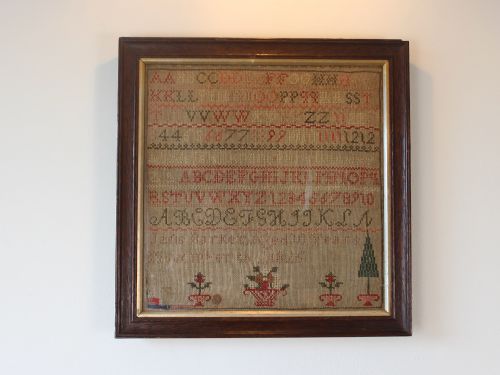
A needlework sampler is a historical textile exercise created by a maker to record alphabets, numerals, and decorative motifs using various stitches.
These pieces often include the maker's name, age, and a date, providing a direct record of domestic education and needle skills.
How were framed needlework pictures displayed?
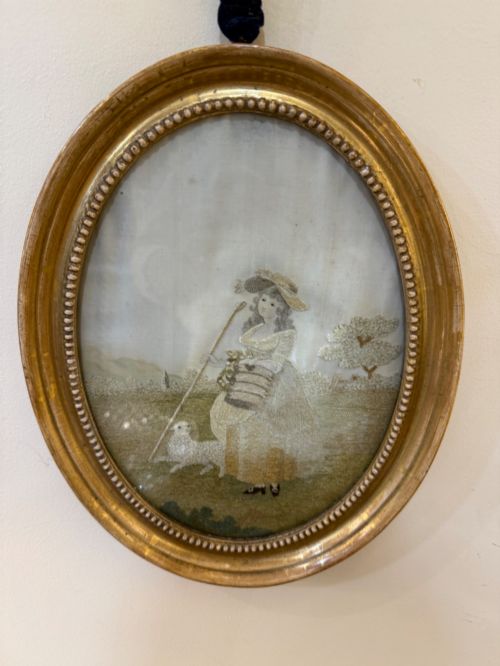
Framed needlework pictures were hung on domestic walls as decorative art, preserving delicate silk and wool embroidery behind glass.
Many retain their original wood frames, occasionally featuring giltwood or verre églomisé surrounds that complement the stitched imagery.
What are silk work pictures?
Silk work pictures combine fine silk thread embroidery with hand-painted details on a fabric ground to depict pastoral or literary scenes.
Production of these works flourished during the Regency period, often executed by female makers working within domestic settings.