

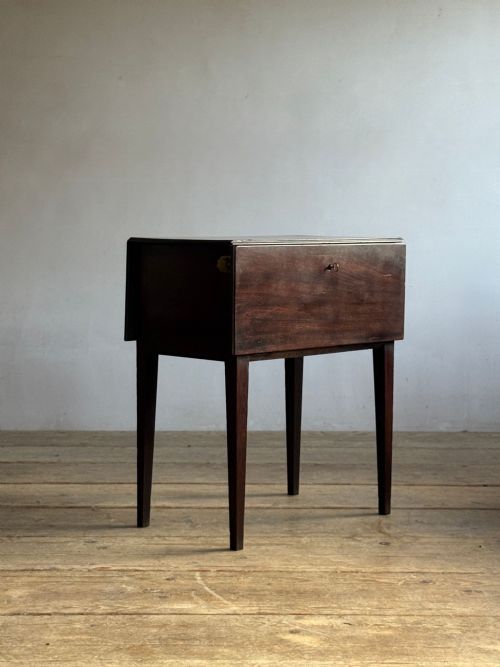
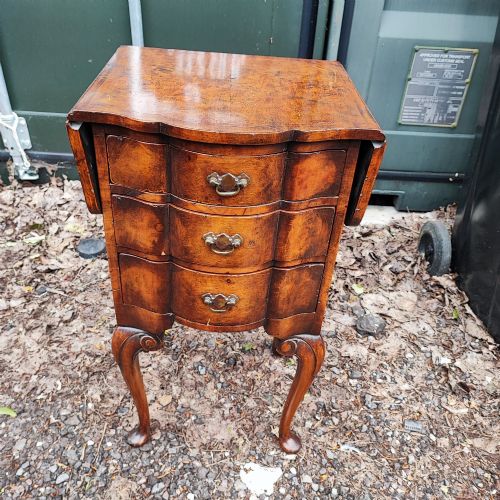


Georgian Drop Leaf Nightstand
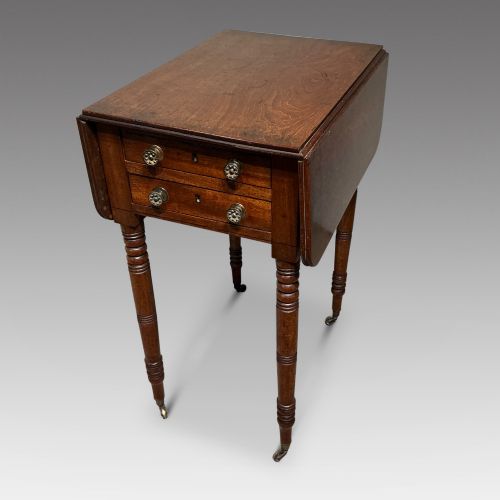
A georgian drop leaf nightstand brings compact versatility to a bedroom, offering folding leaves and storage that fit effortlessly beside a bed.
Georgian Drop Leaf Nightstand
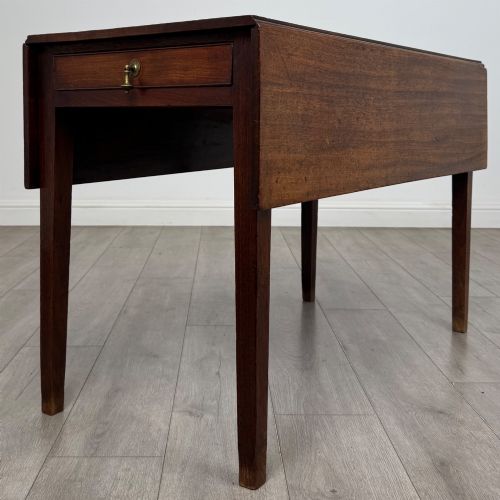
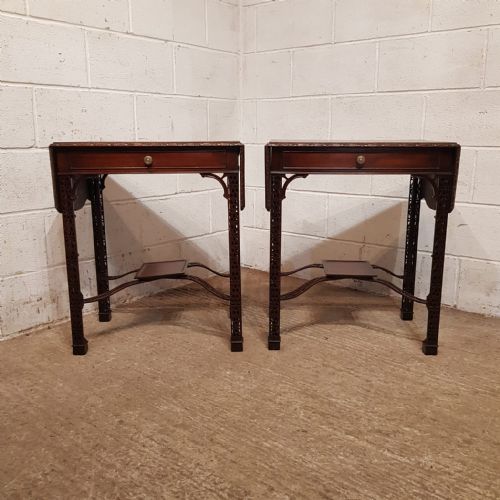
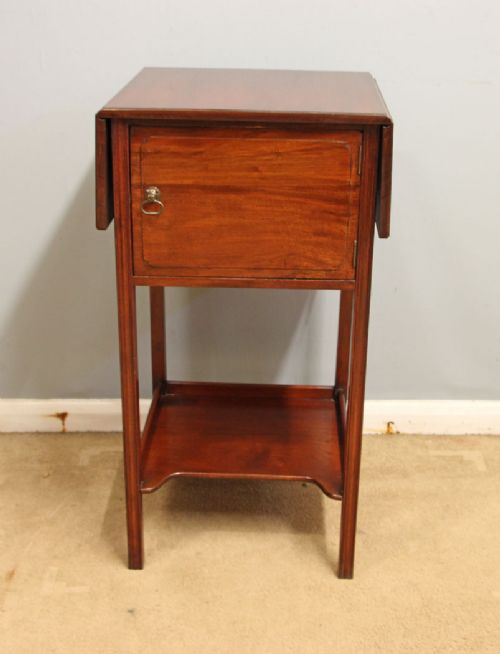
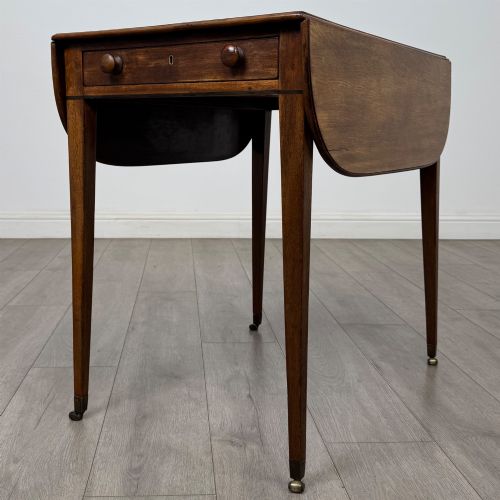
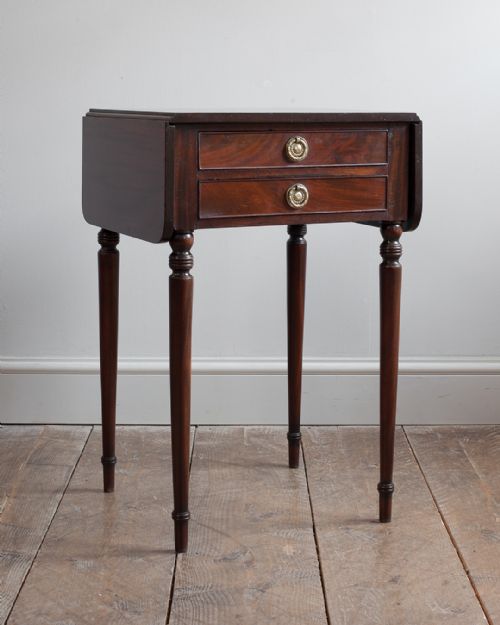
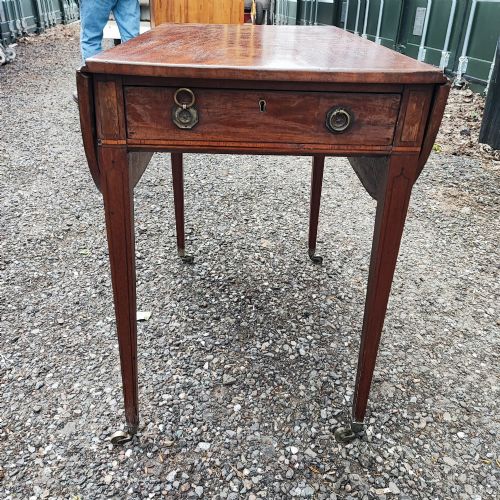
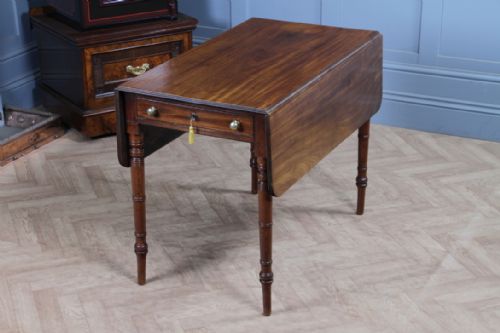
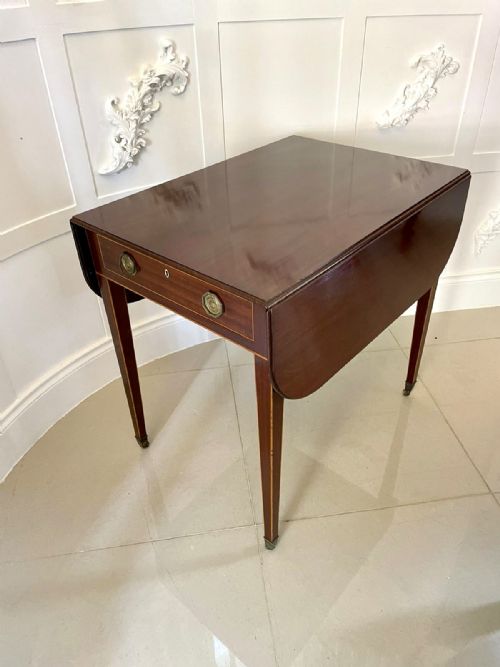
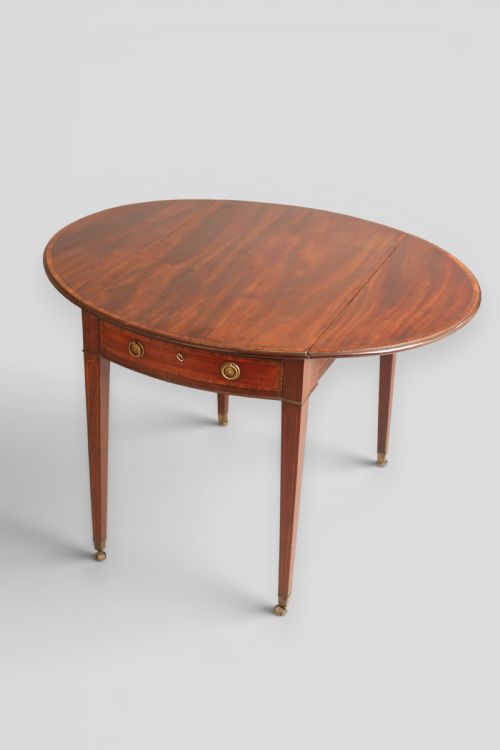
When searching for a georgian drop leaf nightstand, buyers encounter versatile small tables and bedside cabinets originating from the Georgian, Regency, and Victorian eras. These items typically manifest as Pembroke tables, side tables, and compact bedside units designed with folding flaps to adjust their surface area.
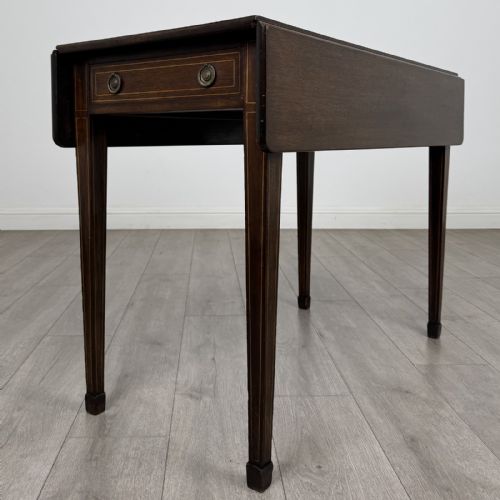
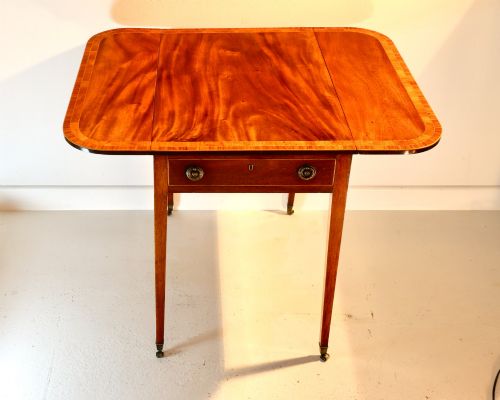
The selection on this page leans heavily towards mahogany pieces, often incorporating crossbanding, boxwood inlay, and brass hardware. While many examples date from the eighteenth and nineteenth centuries, later revival styles and early twentieth-century interpretations also appear among the listings.
Makers utilised various configurations, including single or double drawers, drop leaves on one or both sides, and occasional lower shelves or pedestals. This variety ensures that each table serves both a decorative and a practical function in domestic spaces.
Materials and construction methods
Cabinetmakers predominantly worked with mahogany, including Cuban mahogany and figured varieties, valued for durability and rich grain patterns. Walnut and satinwood also feature, providing lighter contrasts and varied surface tones.
Inlay work involved meticulous application of boxwood and other contrasting timber strips to accentuate borders and table edges. Structural stability was achieved through precise joinery, with hinged flaps supported by pivoting wooden brackets or swing legs.
Georgian Drop Leaf Nightstand Retail Price Guide 2026
Typical asking prices for georgian drop leaf nightstand among the pieces listed under this phrase on Sellingantiques today, from the lower quarter to the upper quarter. They describe what is for sale here now, not the wider market.
Listings feature items spanning the Georgian, Regency, and Victorian periods, alongside early twentieth-century revival pieces.
Factors of quality and craftsmanship
Superior examples distinguish themselves through the selection of finely figured timbers and restrained, precise wood inlay rather than heavy ornamentation. The crispness of the joinery around the drop-leaf hinges and drawer construction reveals the maker's underlying skill.
Proportion and stability define the upper tier of these tables, where folding flaps align precisely with the main top when raised. Original brass handles, functioning locks with keys, and minimal timber shrinkage separate exceptional period survivals from heavily restored or later revival pieces.
The Georgian Drop Leaf Nightstand Glossary
- Pembroke table
- A small, rectangular table featuring two hinged drop leaves on opposing sides. It often includes one or more drawers and gained popularity during the eighteenth century for versatile dining or writing.
- Crossbanding
- A strip of veneer applied to the border of a table top or drawer front, arranged so the grain runs perpendicular to the main surface. This technique creates an intentional decorative frame.
- Boxwood inlay
- Narrow lines or geometric motifs of pale boxwood inserted into contrasting dark woods such as mahogany. Cabinetmakers utilised this method to highlight borders and panel shapes.
- Drop leaf
- A hinged flap on a table or cabinet top that folds down to save space or lifts to extend the usable surface. These leaves are supported by pivoting brackets, gates, or swing legs.
- Secretaire
- A piece of furniture incorporating a writing drawer with a drop-down front and internal pigeonholes or small compartments. It combines desk functionality with standard table proportions.
Georgian Drop Leaf Nightstand: Frequently Asked Questions
What is a georgian drop leaf nightstand used for?
These pieces function primarily as bedside tables, lamp stands, or compact side tables in smaller rooms. The drop leaves allow the surface area to expand when needed and fold down to save floor space.
Historically, similar tables served multiple domestic purposes, acting as occasional writing desks, work tables, or bedside storage units for personal items.
How do I identify a Georgian period piece?
Authentic Georgian pieces display timber characteristics, construction methods, and cabinetmaking styles consistent with the eighteenth and early nineteenth centuries. Look for hand-cut dovetails in drawer construction and natural timber ageing.
Revival pieces from later periods often mimic these proportions and materials but typically reveal newer fixings, machine-cut elements, or differing secondary woods upon closer inspection.
Are drop leaves structurally stable?
Yes, the hinged flaps are supported by sturdy wooden swing brackets or pivoting legs designed to bear weight when fully raised. Proper alignment depends on the original hinges and supporting framework remaining intact.
When living with these tables, owners should avoid placing excessive downward pressure on the unsupported outer edges of the extended leaves.
What woods were commonly used?
Mahogany is the dominant timber across these listings, ranging from dark figured varieties to rich Cuban mahogany. Walnut, satinwood, and boxwood also appear frequently as primary woods or decorative inlay accents.
Cabinetmakers selected these hardwoods for their strength, resistance to warping, and ability to take a fine polished finish.