






Georgian Drinks Cooler
A georgian drinks cooler keeps bottles chilled and brings classic timber proportion to a dining room.
Georgian Drinks Cooler
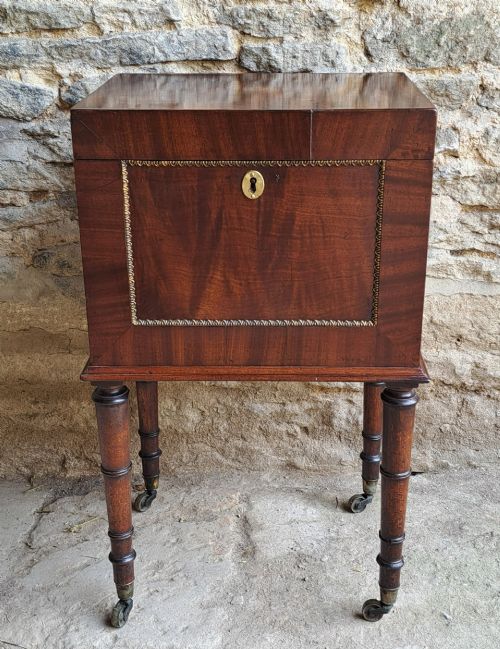
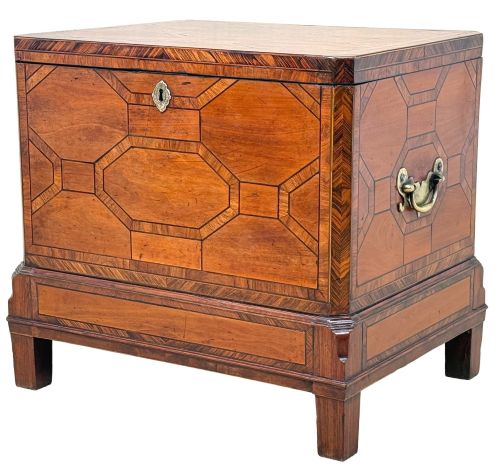
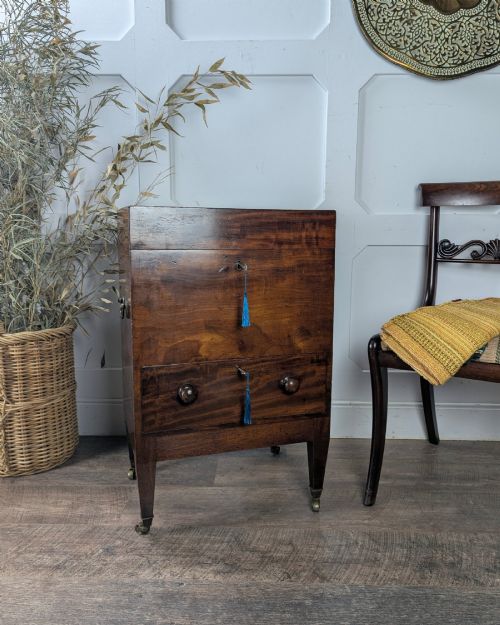
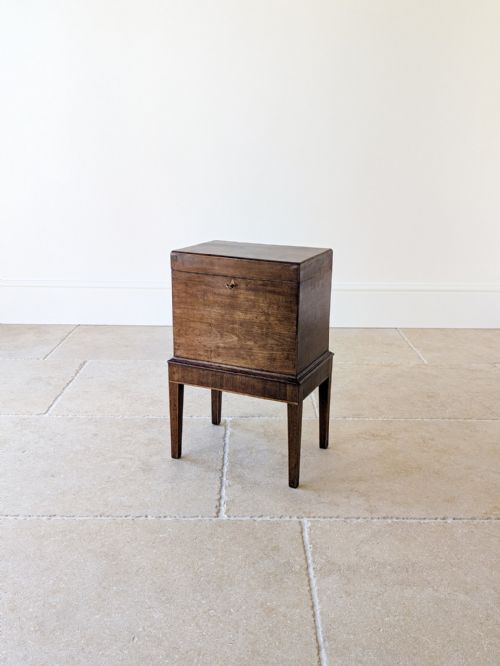
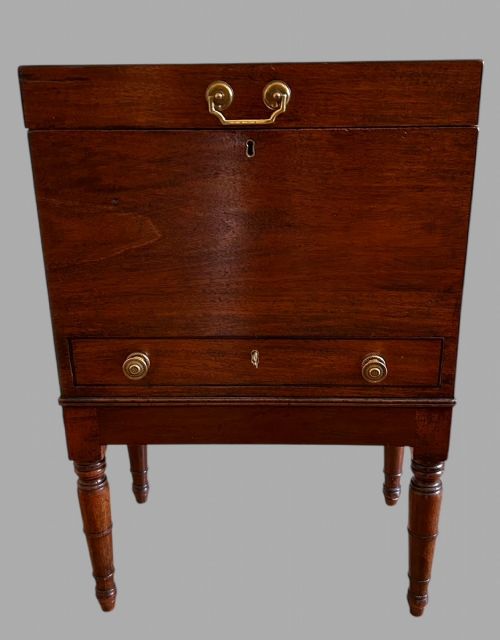
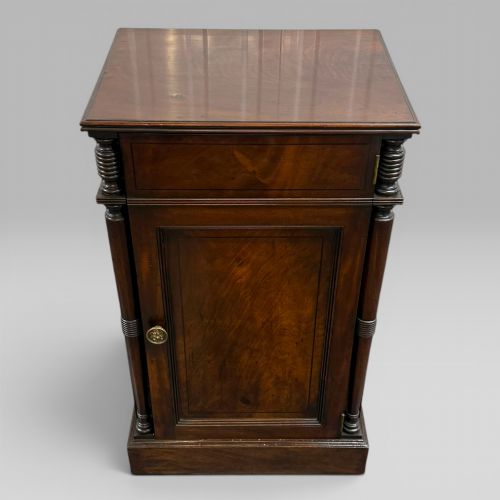
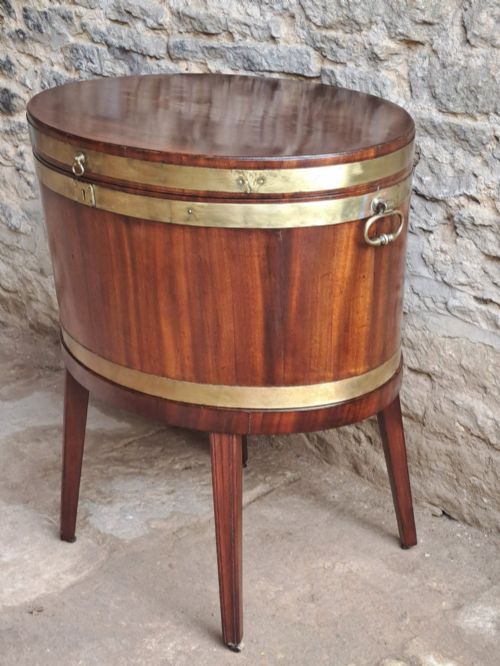
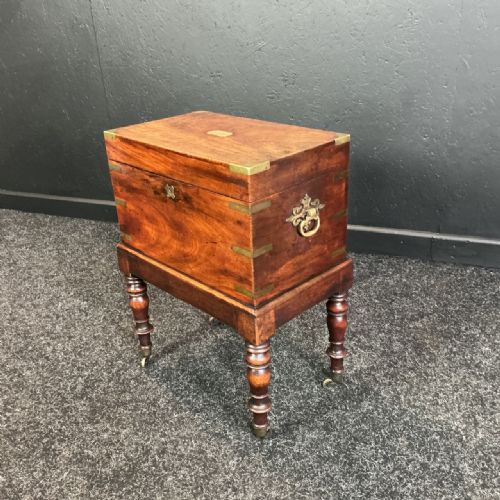
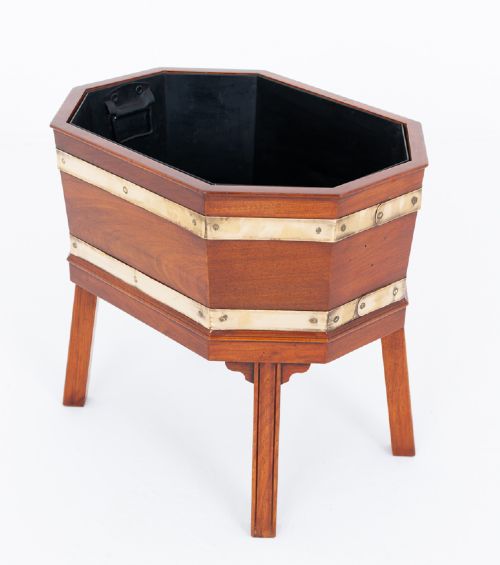
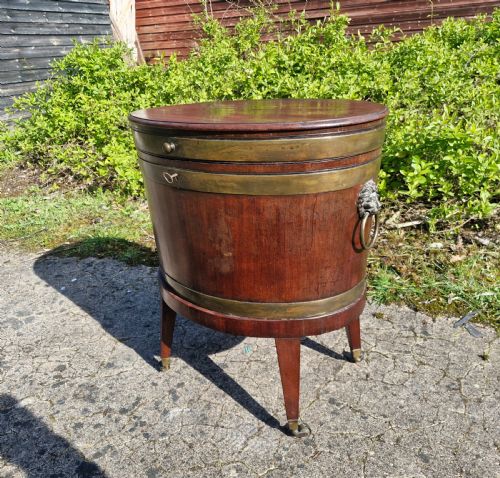
A georgian drinks cooler serves as a dedicated vessel for holding ice and wine bottles during formal dining. The pieces seen here span forms such as freestanding cellarettes, table variants, and octagonal or oval chests.
Makers shaped these containers to sit beneath sideboards or stand independently on bracket feet, tapering legs, or castors. The dominant style on this page is mahogany from the eighteenth and early nineteenth centuries, augmented by later revivals.
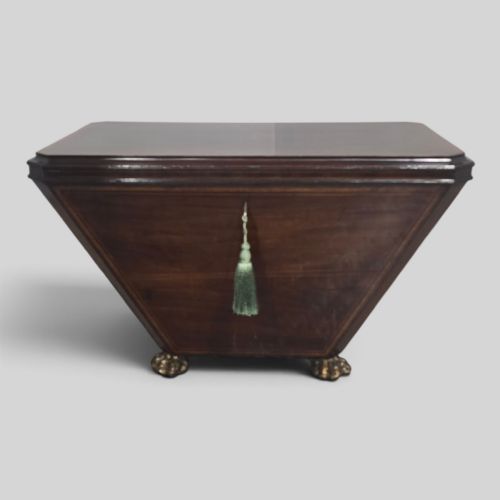
Examples range from understated octagonal boxes to elaborate sarcophagus designs with deep mouldings. Buyers encounter both plain timber grains and detailed banded surfaces across these listings.
Distinctions in Timber Selection and Joinery
The finest coolers display richly figured mahogany with tight, consistent grain patterns and meticulous hand-cut dovetail joints at the corners. Lesser examples utilise plain timber boards with simpler structural joins.
Quality reveals itself in the retention of original interior linings, castors, and locking hardware. Pieces bearing maker attributions or complex serpentine shapes command higher regard among collectors.
Georgian Drinks Cooler Retail Price Guide 2026
Typical asking prices for georgian drinks cooler among the pieces listed under this phrase on Sellingantiques today, from the lower quarter to the upper quarter. They describe what is for sale here now, not the wider market.
Some nineteenth-century makers built these heavy wine chests with secret compartments so the butler could stash an extra corkscrew.
Edwards and Roberts·Gillows·Whytock and Reid
The Georgian Drinks Cooler Glossary
- Cellarette
- A lockable container designed specifically to hold wine bottles and ice inside a dining room. These boxes kept valuable vintages secure from household staff.
- Sarcophagus
- A monumental chest form with a sloping lid, mimicking ancient stone tombs. Regency makers favoured this heavy, architectural shape for grand dining spaces.
- Serpentine
- A curved line that bends outward at the centre and inward toward the edges. This contour appears frequently on the fronts of high-end eighteenth-century coolers.
- Ormolu
- Gilded bronze mounts applied to furniture for decorative contrast. Craftsmen chased these metal details by hand before fixing them to the timber.
Georgian Drinks Cooler: Frequently Asked Questions
How did people use a drinks cooler?
Servants filled the lead-lined interior with ice or cold water before the meal to chill wine bottles. The lockable lid kept expensive vintages secure.
During dinner, the cooler stood on the floor beneath a sideboard or next to the dining table for easy access by hosts.
Are these coolers waterproof inside?
Most pieces retain their original or restored metal and lead linings designed to hold melting ice. However, modern users often place a modern liner inside to protect the antique metal.
Checking the interior condition helps determine whether the cooler can still function with actual ice and water.
How do I distinguish George III from Regency coolers?
George III pieces tend to feature straight tapered legs, bracket feet, or octagonal shapes with delicate satinwood inlay. The timber work often looks lighter and more linear.
Regency coolers shift toward heavier architectural forms like sarcophaguses, often incorporating paw feet, bold brass ring handles, and carved classical motifs.
Where should I place a cellarette at home?
A cellarette works effectively as a standalone side table in a dining room or living space. The interior depth also makes them practical for storing modern bottles or magazines.
Positioning the piece away from direct heat sources protects the old mahogany and prevents the timber from drying out.