


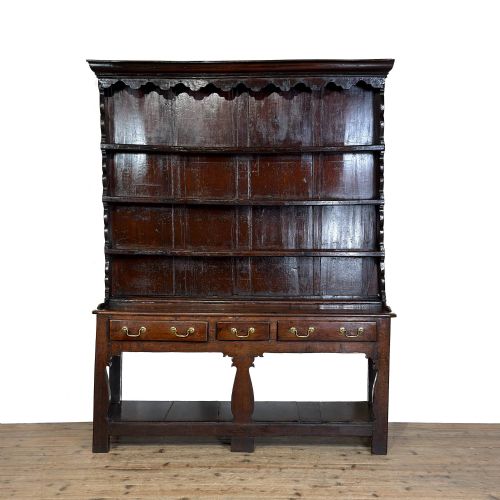

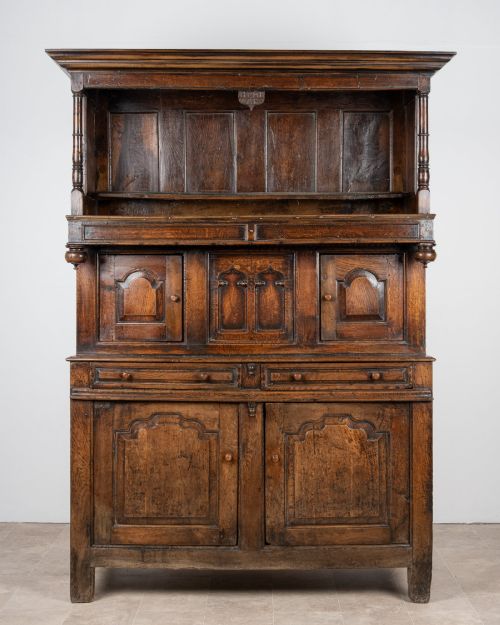
Georgian Dresser with Cupboards
A georgian dresser with cupboards anchors the traditional kitchen, offering timber storage and plate display from centuries past.
Georgian Dresser with Cupboards
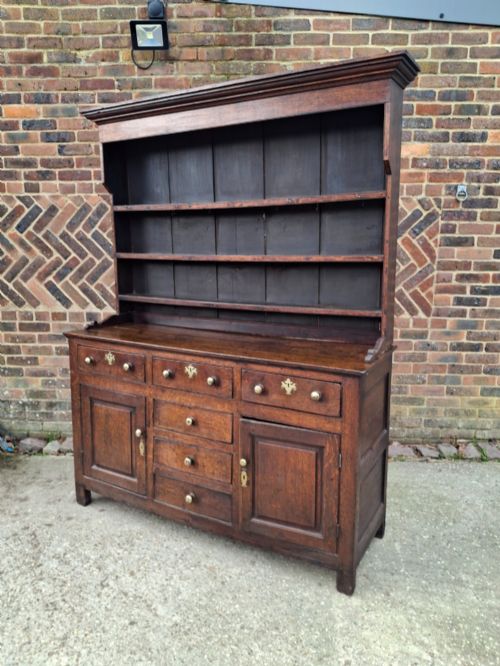
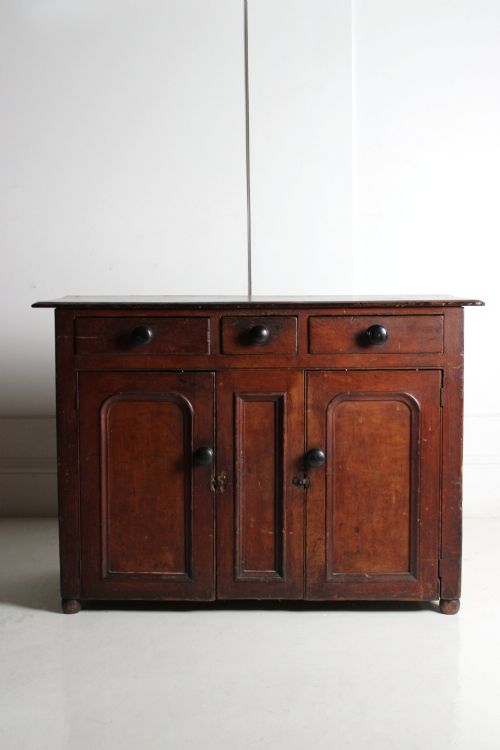
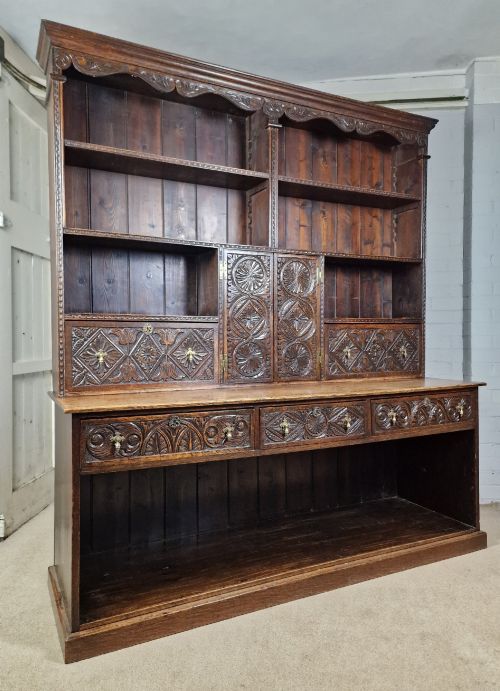
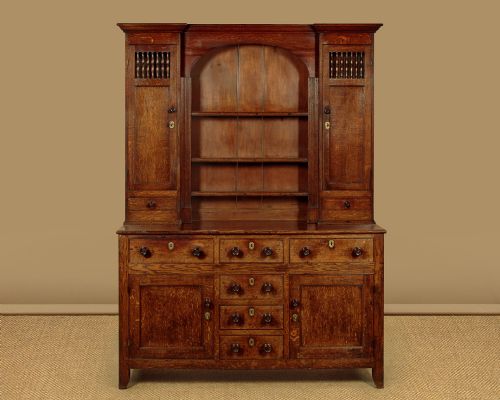
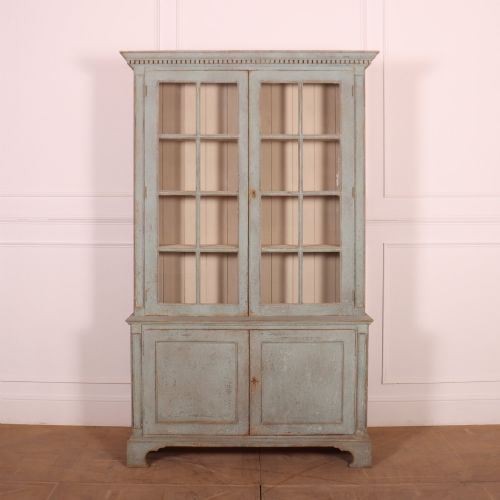
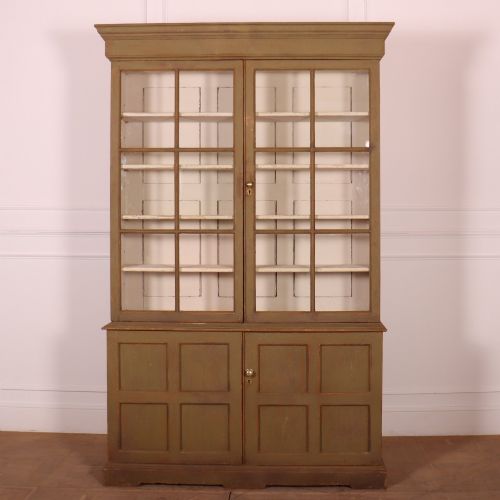
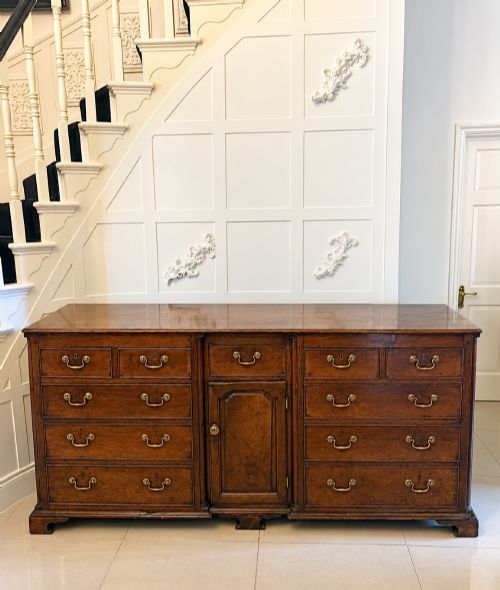
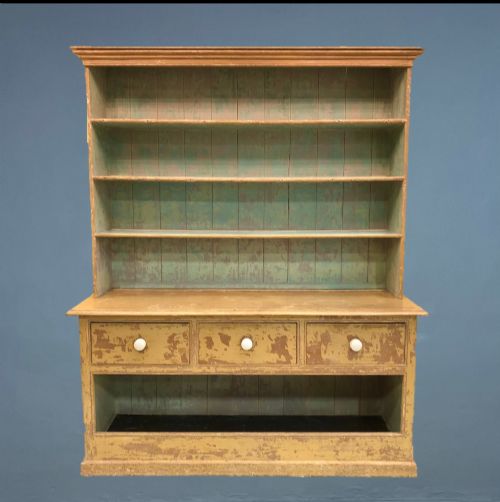
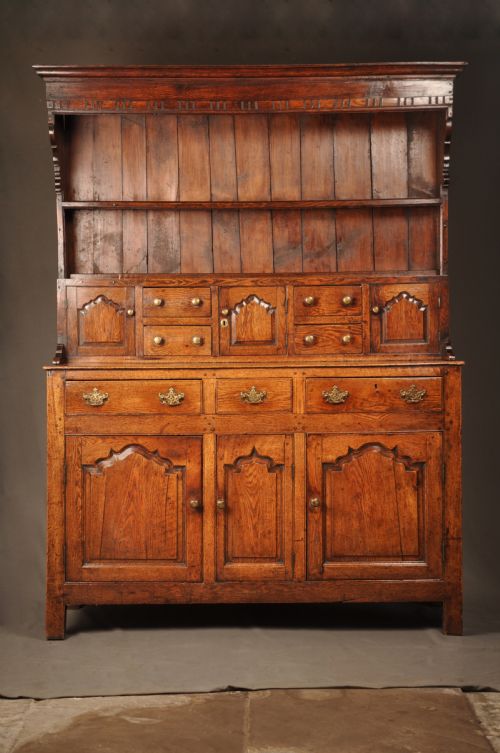
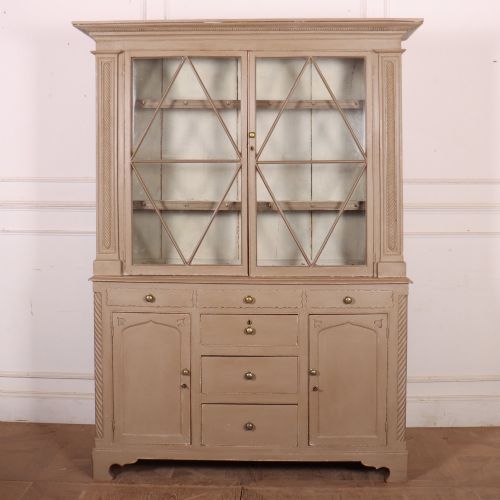
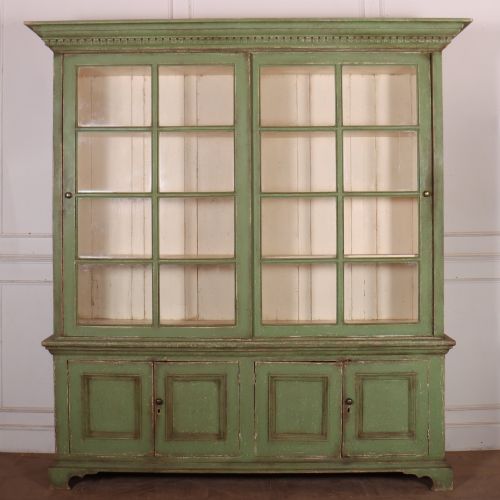
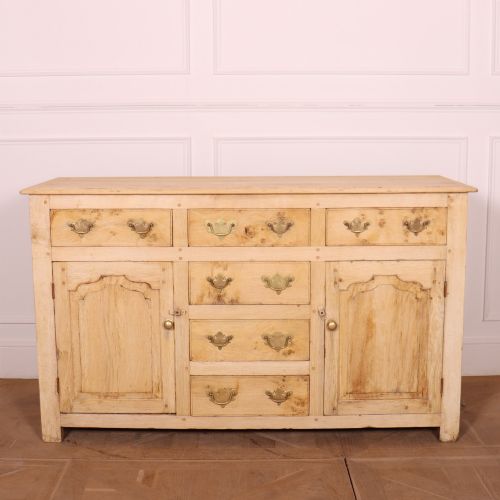
A georgian dresser with cupboards represents a substantial item of vernacular or formal furniture designed for domestic storage and display. When searching for a georgian dresser with cupboards, buyers encounter pieces originating primarily from the eighteenth and nineteenth centuries, spanning regional English and Welsh workshops. These forms typically combine a lower base fitted with doors and drawers with an upper plate rack or open shelving.
The regional variations include Welsh vernacular examples, West Country pieces, and Lancashire bases, often constructed from native timbers. Many incorporate enclosed lower cupboards flanking central drawers or potboards, reflecting the specific storage needs of period households. The aesthetic ranges from plain country pine and oak to crossbanded mahogany creations intended for more formal settings.
Makers utilised local timber traditions, meaning rural pieces often display regional joinery traits distinct from urban furniture production. These items served as the heart of the home, housing ceramics, pewter, and daily provisions while providing a sturdy surface for household tasks.
Distinguishing quality across examples
The standard of timber selection and the integrity of the original construction dictate the standing of an individual piece. Superior examples display carefully matched grain, crisp geometric mouldings, and minimal timber replacement over centuries of domestic use.
Regional distinctiveness and surface preservation heavily influence the character of a piece. Original painted finishes, untouched surface patinas, and integrated upper racks that match the timber and wear of the base signify a higher tier of historic preservation.
Georgian Dresser with Cupboards Retail Price Guide 2026
Typical asking prices for georgian dresser with cupboards among the pieces listed under this phrase on Sellingantiques today, from the lower quarter to the upper quarter. They describe what is for sale here now, not the wider market.
The inventory includes regional variations such as Welsh vernacular, West Country, and Lancashire formats alongside formal George III designs.
The Georgian Dresser with Cupboards Glossary
- Potboard
- A lower open shelf positioned near the floor designed for storing pots and pans. This feature is particularly common in Welsh vernacular dressers.
- Crossbanding
- A decorative border technique where thin strips of veneer are laid across the grain of the primary timber. This detail appears on finer George III mahogany and oak pieces.
- Welsh Dresser
- A traditional two-part form combining a base cabinet with an upper plate rack. They often incorporate regional drawer arrangements and native timbers such as oak and elm.
- Chiffonier
- A compact sideboard or cabinet featuring lower enclosed cupboards, popular during the Regency period. They frequently utilise brass inlay and mahogany or rosewood surfaces.
Georgian Dresser with Cupboards: Frequently Asked Questions
How do I care for an antique oak dresser?
Maintain timber surfaces by applying natural beeswax periodically to nourish the dry wood. Avoid placing solid wood furniture near direct heat sources or in fluctuating humidity.
Gentle dusting with a soft cloth preserves the historic patina without damaging the finish.
Are the plate racks original to the base?
Many early dressers survive as married pairs where the upper rack and lower base were united at a later date. Examining the timber species, wear patterns, and fixing methods helps determine if the two parts share a common origin.
Original two-part construction displays consistent ageing across both sections.
What is a Talwrn dresser?
A Talwrn dresser refers to a specific regional style originating from Wales, noted for distinct local joinery and proportions. These pieces utilise native hardwoods like oak and exhibit traditional vernacular characteristics.
They represent specialised rural cabinet making from the nineteenth century.