



Georgian Drawing
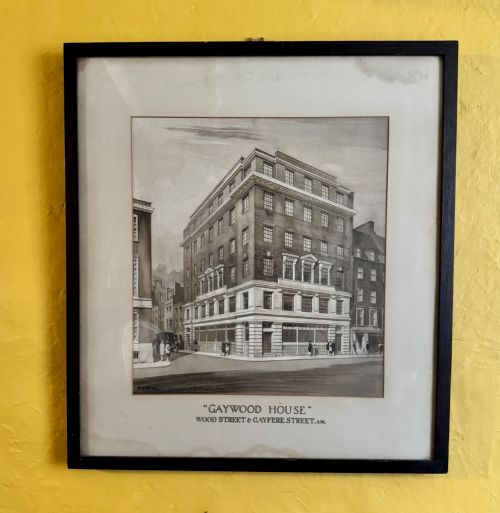
A georgian drawing brings the delicate hand of the period straight to your wall through original graphite, ink, pastel and watercolour works on paper.
Georgian Drawing
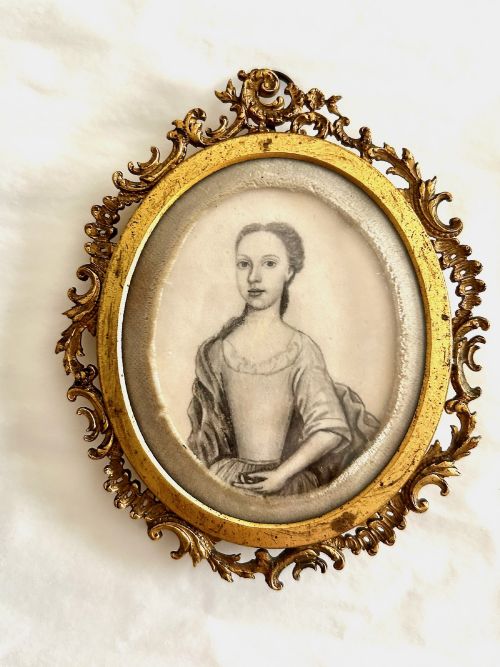
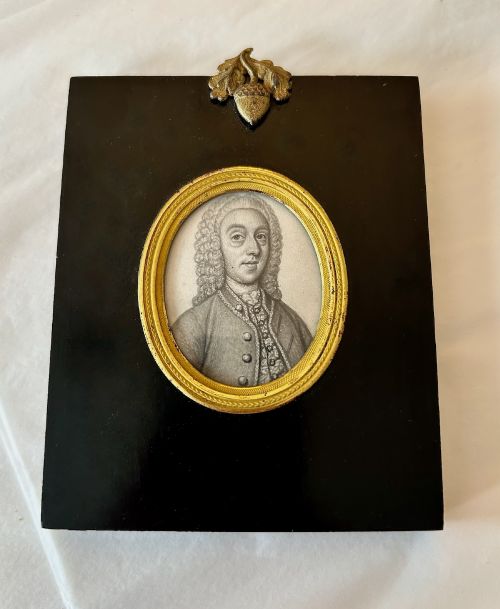
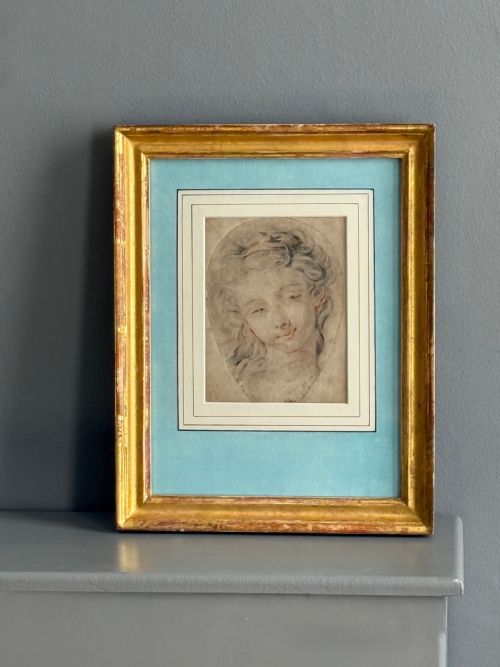
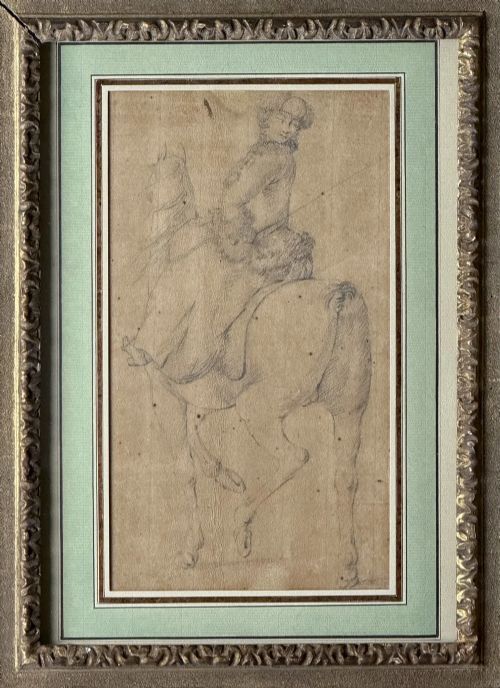
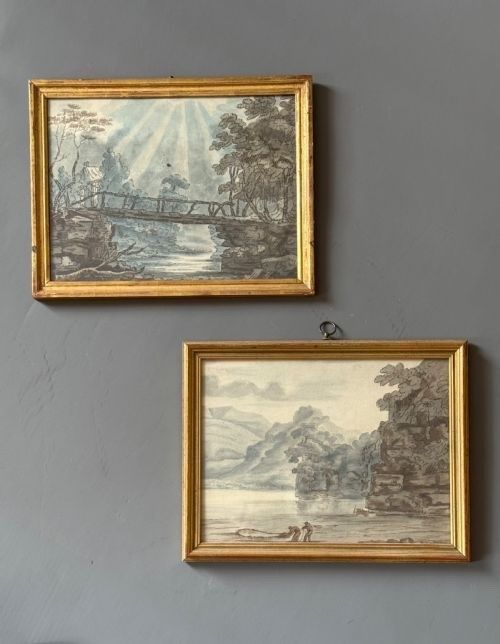
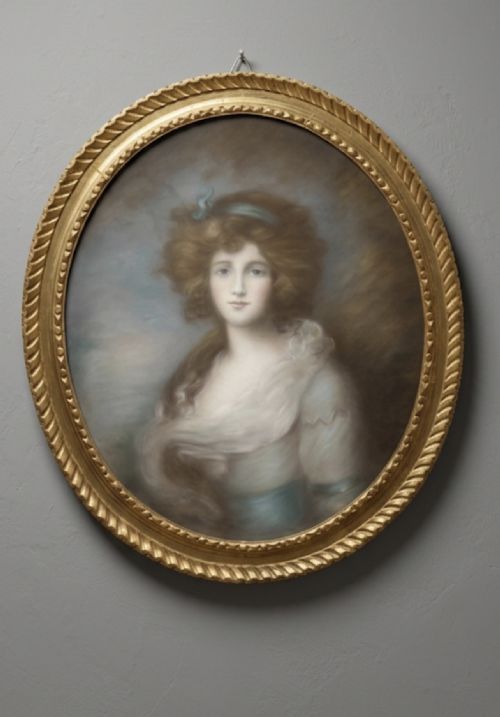
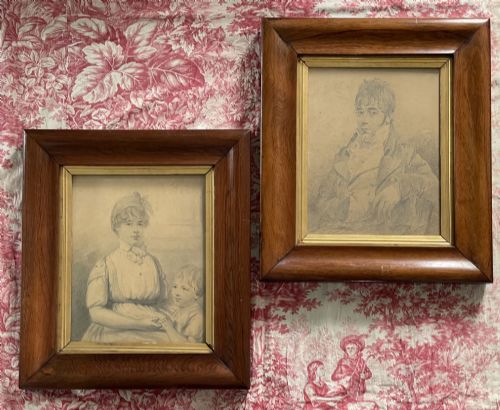
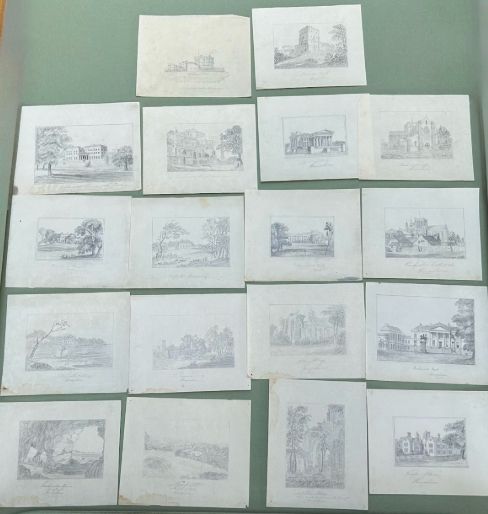
A georgian drawing encompasses original portrait miniatures, landscape sketches and intimate figure studies executed on paper surfaces. Collectors encounter these works framed as individual sheets or gathered in small period sets.
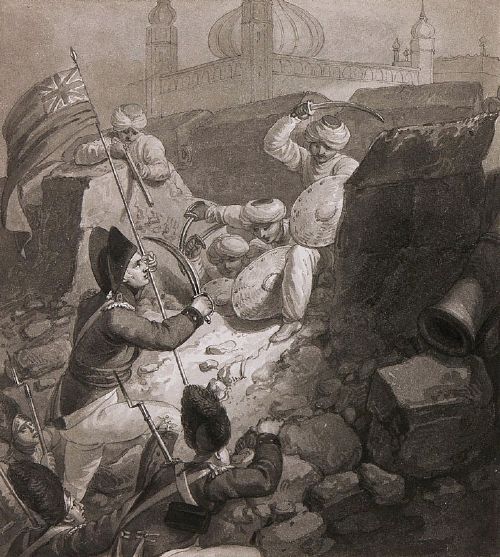
The materials span graphite, ink, pastel, plumbago and watercolour, capturing subjects from British countryside scenes to detailed facial likenesses. Works often bear attribution to specific schools or named hands active during the eighteenth and early nineteenth centuries.
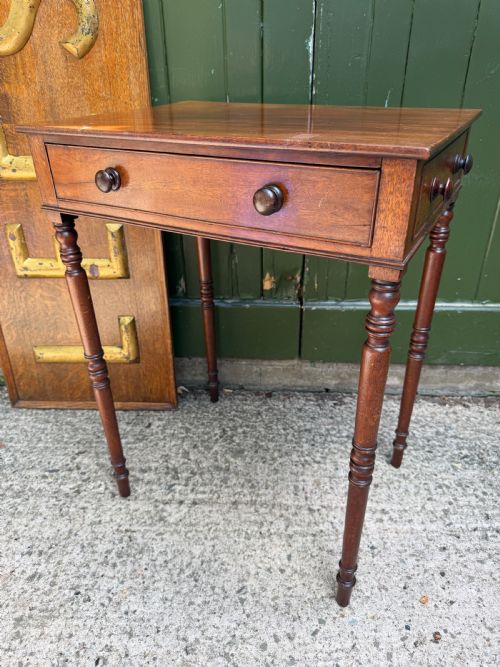
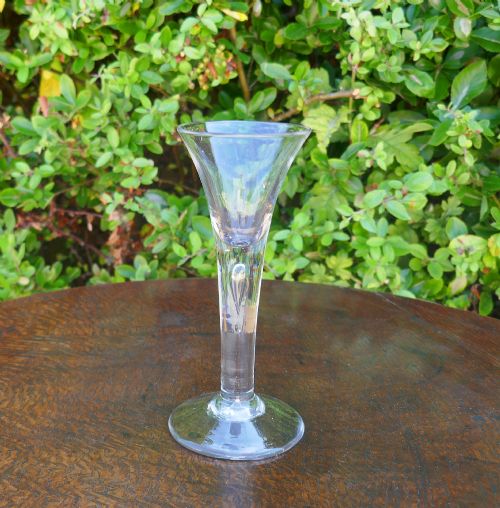
While the search term points directly to works on paper, the inventory also yields occasional glass vessels and mahogany furniture carrying the same stylistic markers. These diverse items share the restrained elegance characteristic of the Georgian and Regency eras.
How they were made
Artists worked primarily on paper using graphite, ink wash, and delicate watercolours to build up fine linear details and tonal depth. Plumbago drawings utilised powdered graphite mixed with clay, applied with sharp precision to render miniature portraits.
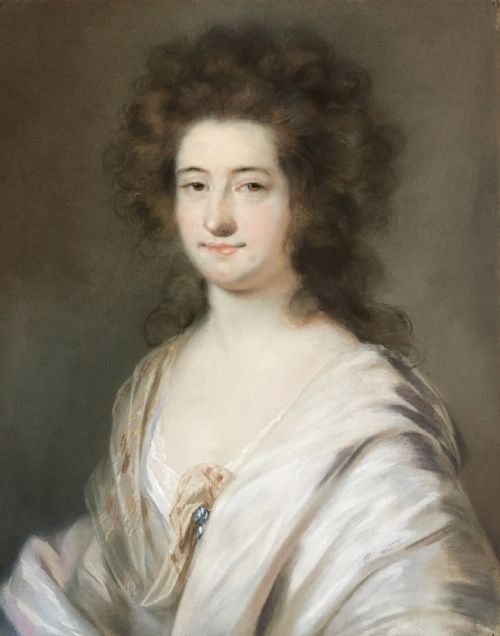
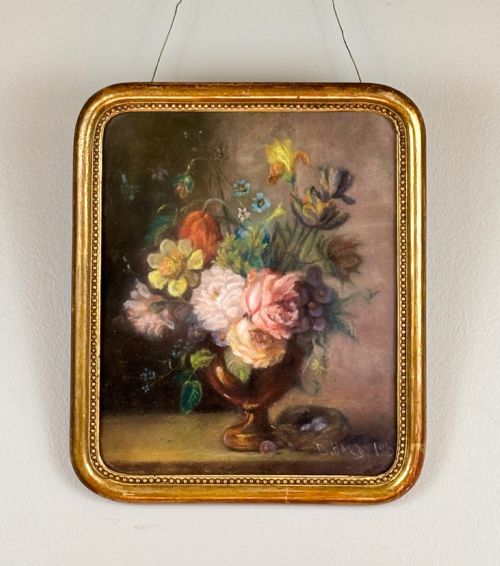
Pastels required coloured pigments bound with gum and applied to tinted papers, capturing soft textures in hair and fabric. Glass objects of the period relied on lead crystal shaped by blowing and freehand manipulation while hot.
Georgian Drawing Retail Price Guide 2026
Typical asking prices for georgian drawing among the pieces listed under this phrase on Sellingantiques today, from the lower quarter to the upper quarter. They describe what is for sale here now, not the wider market.
One recorded sketch captures the very specific likeness of a three-month-old infant at age three.
What varies in quality
The strength of line work and sureness of proportion separate accomplished portraiture and landscape studies from stiff or hesitant amateur efforts. Masterly handling of shadow and facial expression defines the upper tier of works on paper.
Condition of the paper support heavily influences desirability, as foxing, toning and fading alter the visual impact of delicate pigments over centuries. Original framing and undisturbed backing papers preserve the integrity of the piece.
James Ferguson·Anna Tonelli·Francois Boucher·John Russell·William Marshall Craig·Thomas Gainsborough·John Taylor·Edward Dayes·Richard Leech·Samuel Owen·Samuel Henry Alken·John Raphael Smith
The Georgian Drawing Glossary
- Plumbago
- A type of early graphite drawing executed with fine precision, often taking the form of a monochrome portrait miniature. These works rely on subtle tonal gradations rather than colour.
- Pastel
- A medium consisting of powdered pigment bound into sticks, used on paper to create velvety portraits and still lifes. Surviving examples demand careful protection behind glass.
- Wash
- A thin, transparent layer of diluted ink or watercolour applied to paper to create shadows and atmospheric depth in landscape drawings. It provides the tonal foundation beneath sharper pen work.
- Foxing
- The appearance of brownish spots on old paper caused by chemical reactions in the pulp or damp storage conditions over long periods. It remains a common characteristic of eighteenth-century works.
- Regency
- The stylistic period bridging the late Georgian era and the reign of George IV, marked by classical restraint and neat proportions in both art and furniture. It follows the heavier George III aesthetic.
Georgian Drawing: Frequently Asked Questions
How should I frame an old drawing?
Works on paper require conservation-grade mounting materials and UV-filtering glass to prevent fading and chemical breakdown over time. Keep the paper lifted clear of the glass surface using a window mount.
Position the framed piece away from direct sunlight and damp exterior walls to protect the fragile graphite, ink or pastel pigments from environmental damage.
How do I spot a reproduction?
Original drawings display genuine plate marks, hand-mixed pigments and paper fibres that show age under magnification rather than uniform modern dot patterns. Ink lines sit within the paper grain rather than resting evenly on top.
Examine the reverse of the frame for period backing papers, old dealer labels and natural foxing that matches the stated age of the piece.
Where were these drawings displayed?
Georgian households kept small portraits and landscape sketches in private withdrawing rooms, libraries and intimate bedchambers rather than grand state galleries. Owners often stored collections of loose sketches in leather-bound portfolios for evening viewing.
Framed sets hung closely together on panelled walls alongside silhouettes and small oil paintings to create dense, layered domestic displays.