
Georgian Door Furniture
Georgian door furniture brings architectural weight and tactile presence to an interior, built from solid brass and bronze to last centuries.
Georgian Door Furniture
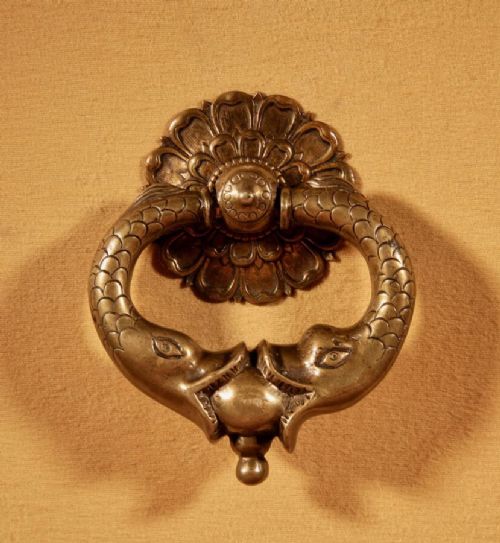
Georgian door furniture encompasses original metalwork designed for period doorways, represented here by an 18th century complete continental door knocker.
Buyers seeking georgian door furniture look for authentic period hardware that retains its original surface texture and functional integrity.
The selection on this page centres on period bronze items from the 18th century.
How they were made
Makers utilised traditional casting methods to shape molten metal into durable knockers and fittings.
Bronze and brass components were finished by hand, leaving subtle tool marks that confirm period manufacture.
Door knockers from the continent spent centuries greeting visitors before finding their way onto modern display shelves.
What varies in quality
Depth of cast detail distinguishes superior examples from simpler production, separating standard hardware from pieces with sculptural ambition.
Survival of original surface patination determines the visual appeal of each piece, reflecting how well the metal has aged.
Wylie and Lochhead·Maple and Co·Ince and Mayhew
The Georgian Door Furniture Glossary
- Bronze
- A copper alloy valued for its strength and rich tonal depth when cast into hardware. It develops a stable dark patina over centuries of handling.
- Patina
- The surface sheen and colour acquired by metal through decades of exposure and use. This layer indicates genuine age.
- Knocker
- A striking plate and hinged hammer mounted to a door exterior. These fittings combined utility with decorative display.
- Continental
- An origin descriptor denoting items manufactured in mainland Europe rather than Britain. These pieces often display distinct regional casting styles.
Georgian Door Furniture: Frequently Asked Questions
How do I clean old brass door furniture?
Wash the metal gently with warm soapy water and a soft brush to remove surface dirt without disturbing the aged surface layer. Avoid abrasive cleaners that strip away historical character.
Dry the component thoroughly with a soft cloth to protect the metal from moisture damage after cleaning.
Are these door knockers suitable for modern doors?
These historical fittings can be mounted to contemporary exterior doors provided the fixing centres align with existing holes or new screw positions are made carefully.
Check the weight of the bronze or brass piece against the thickness of your door before installation.
How can I tell 18th century hardware from later copies?
Examine the rear of the casting for uneven surfaces, hand-filed edges, and method-specific tool marks consistent with period production techniques. Modern reproductions often exhibit uniform machine smoothing.
The weight, alloy composition, and depth of the patination also provide clear indicators of true age.