

Georgian Dining
Georgian dining pieces comprise sturdy timber tables, seating and sideboards designed for period interiors and everyday gatherings.
Georgian Dining
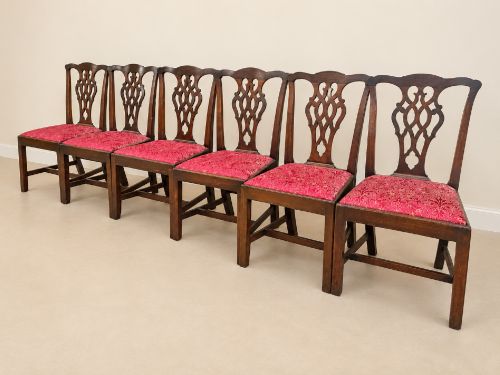
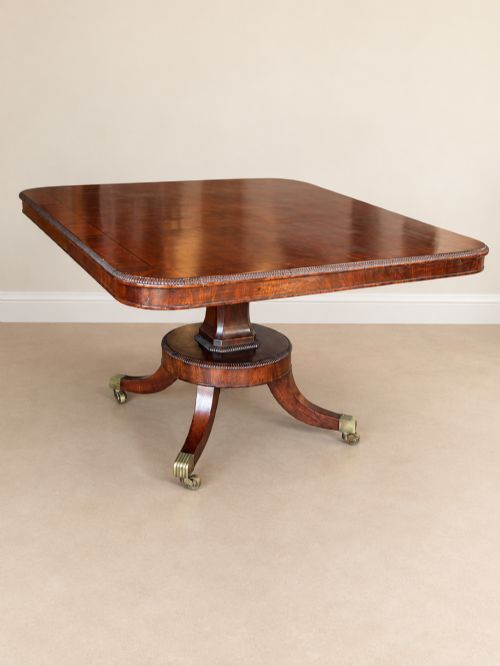
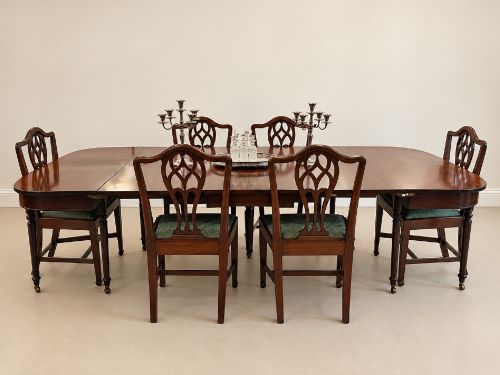
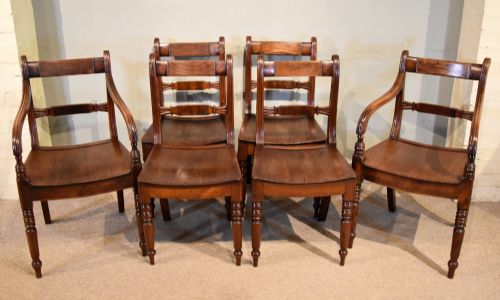
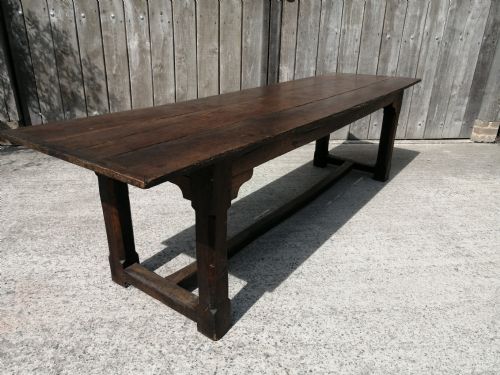
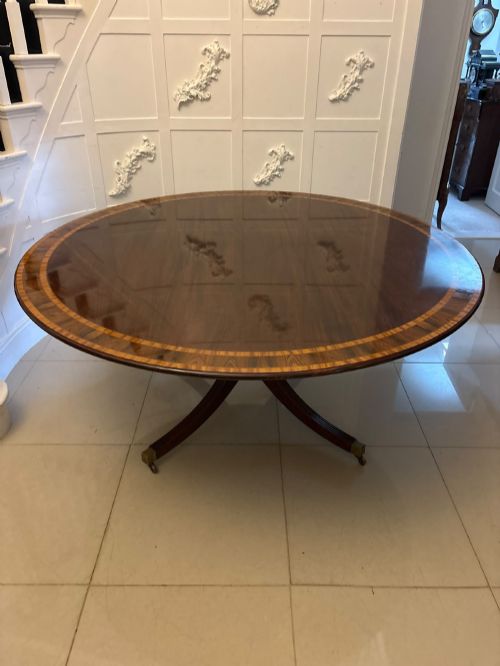
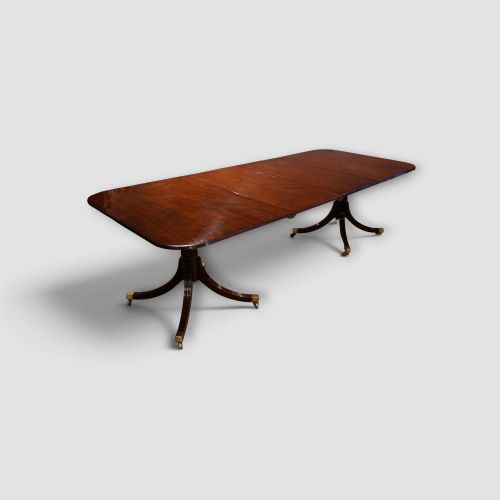
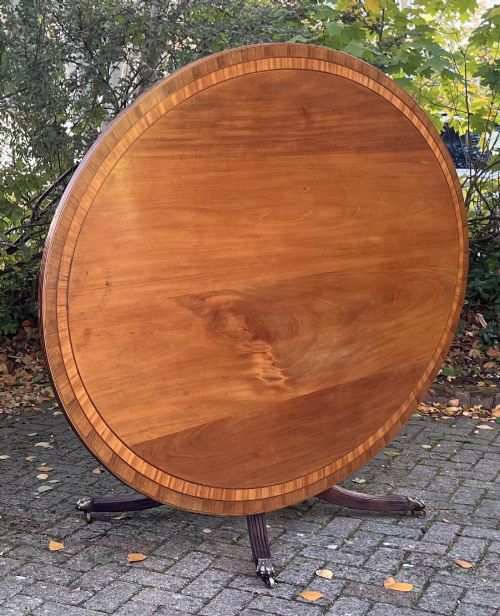
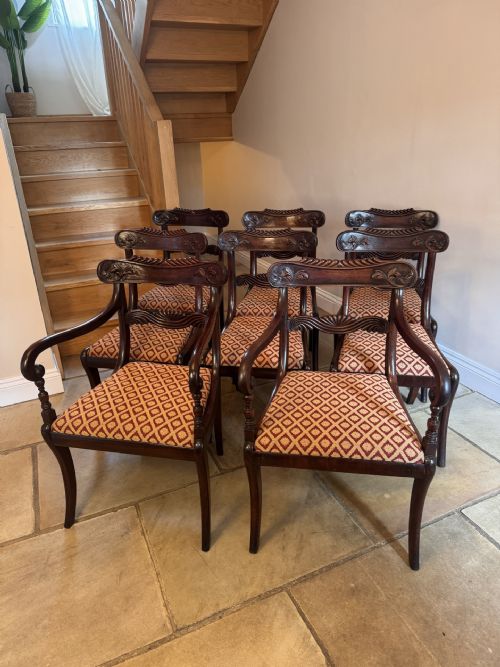
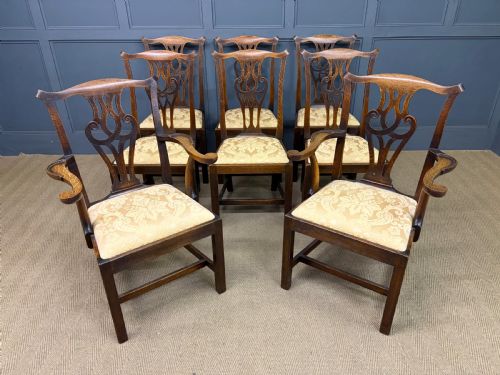
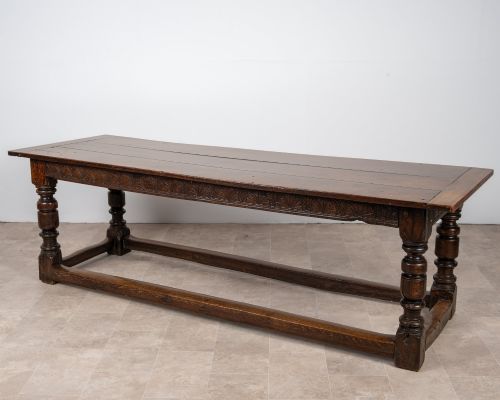
When searching for georgian dining, buyers encounter an array of heavy timber tables, expansive sets of chairs and capacious sideboards suited to large rooms. The listings show multi-pedestal extending tables alongside breakfast tables, paired with carvers and side chairs.
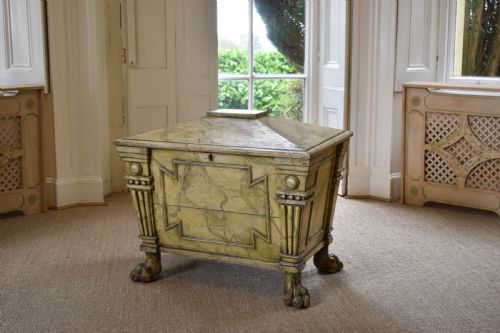
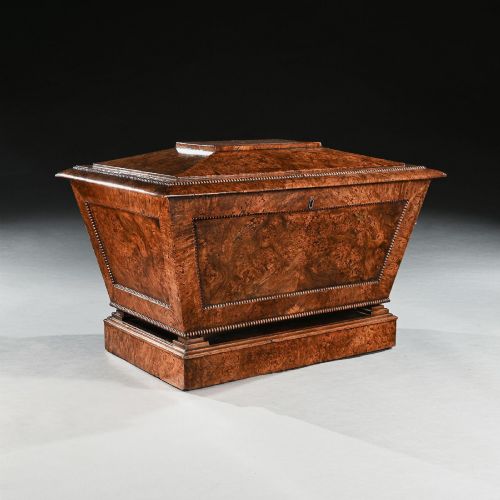
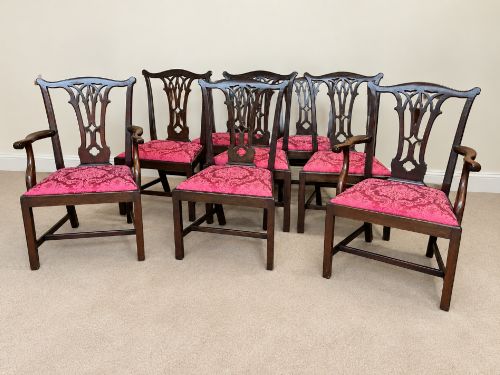
Sets range from four to twelve chairs, frequently built in the Chippendale, Hepplewhite or Sheraton style with pierced splats and carved details. Sideboards, servers and wine coolers complete the room, supplemented occasionally by practical small items like silver marrow scoops.
Materials and construction methods
Makers relied heavily on solid mahogany and flame mahogany veneer, alongside secondary hardwoods such as oak, walnut, elm and yew. Timber was selected for figured grain and stability, then joined using traditional cabinet-making techniques.
Georgian Dining Retail Price Guide 2026
Typical asking prices for georgian dining among the pieces listed under this phrase on Sellingantiques today, from the lower quarter to the upper quarter. They describe what is for sale here now, not the wider market.
A solitary silver marrow scoop from 1763 rests among the heavy timber furniture, bearing a baron's coronet and a family crest.
Distinctions in craftsmanship
The standard of carving and the choice of timber set finer pieces apart from standard workshop output. Superior chairs display crisp fretwork on splats and robust timber framing, while better tables exhibit matched veneer figures across multiple pedestals.
Proportion and execution define the hierarchy of these items, with well-documented construction details distinguishing period originals from later revival pieces.
Gillows
The Georgian Dining Glossary
- Carver
- An armchair designed to match a set of dining chairs, typically placed at the head of the table. These often feature open arms and wider proportions than standard side chairs.
- Splat
- The vertical wooden strip down the centre of a chair back. Finer examples show pierced or carved scrollwork.
- Sideboard
- A large dining room cabinet used for serving food and storing silver. Georgian forms include bowfront models and servers with brass galleries.
- Marrow scoop
- A long, slender silver utensil with small bowls at each end. Used during the eighteenth century for extracting marrow from bones.
- Breakfront
- A cabinet or sideboard facade where the central section projects forward from the sides. This technique adds architectural depth to large case pieces.
Georgian Dining: Frequently Asked Questions
How many people do these extending tables seat?
The multi-pillar extending tables listed accommodate ten to twelve diners comfortably. They use removable leaves supported by pedestals to alter the length.
Smaller breakfast tables suit intimate spaces and seat fewer guests. The configuration depends on the number of pedestals present in the design.
What is the difference between carvers and side chairs?
Carvers are armchairs intended for the heads of the dining table. They feature structural armrests for added support.
Side chairs lack arms, allowing more seats to fit along the long sides of the table. Both types often share identical back designs within a matched set.
How do I identify a revival piece from an original?
Revival items, such as Edwardian Chippendale copies, display construction methods and timber patination consistent with later nineteenth and early twentieth-century manufacturing.
Original eighteenth-century pieces exhibit period-specific joinery and wear patterns developed over centuries of use. Comparing secondary timbers helps clarify the date of production.
What timbers were most commonly used?
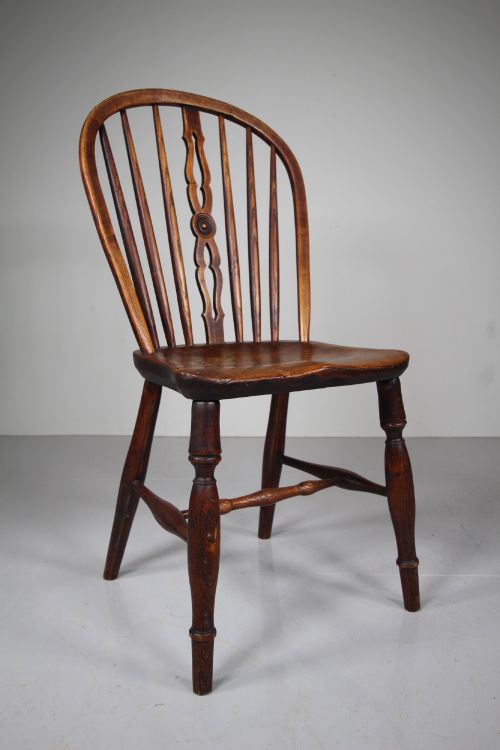
Mahogany dominates the selection, appearing in solid form and as flame veneer on tables and sideboards. Walnut, elm and oak also feature prominently in regional seating and farmhouse tables.
Yew appears selectively in Windsor armchairs, paired with elm seats. Brass and fabric provide the primary supporting materials for hardware and upholstery.