



Georgian Dining Tableware
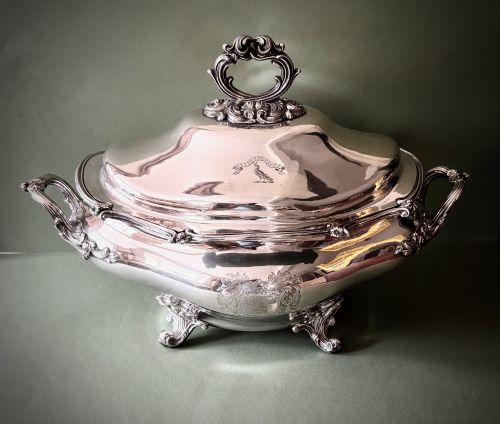
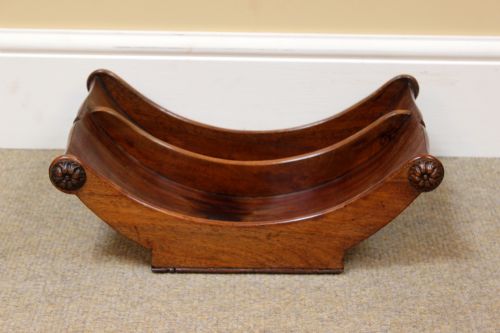
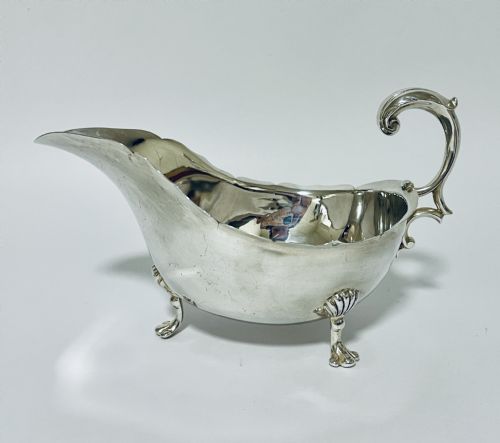
Georgian dining tableware comprises silver sauce boats, mahogany cheese coasters, and Sheffield plate tureens designed to grace the formal dining table.
Georgian Dining Tableware
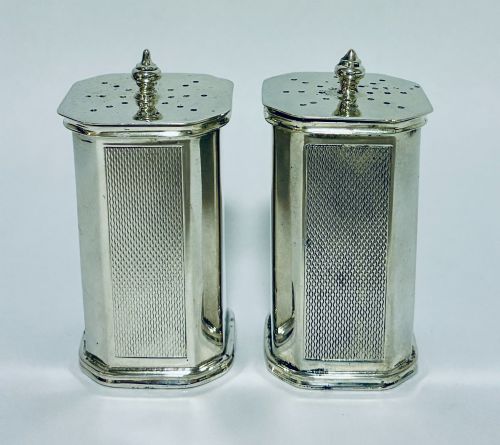
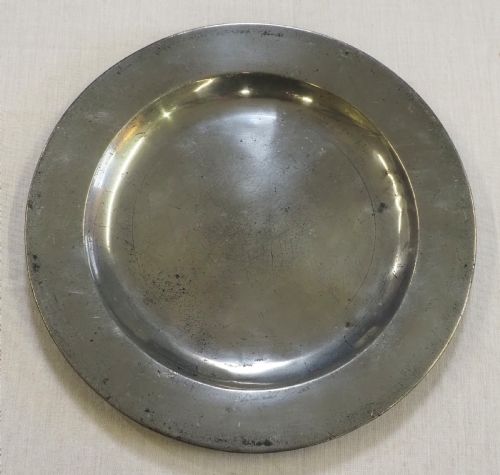
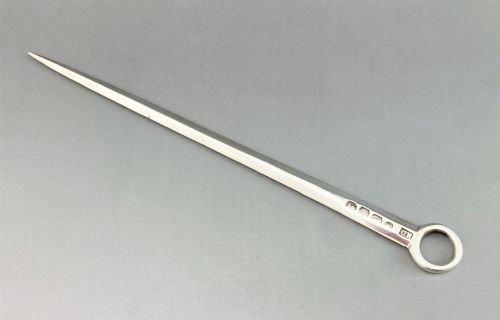
When you search for georgian dining tableware, you encounter pieces designed for the formal dining room during the eighteenth and nineteenth centuries. These items include sauce boats, marrow scoops, meat skewers, cheese coasters, pepper pots, and tureens.
The selections span periods from the eighteenth century through the Regency era, with occasional later stylistic revivals. You are most likely to meet silver sauce boats, mahogany cheese coasters, and old Sheffield plate vessels on this page.
Serveware and cutlery form the core of these listings, reflecting the dining customs of the period. Each item served a specific function in presenting and serving food during formal meals.
Materials and construction methods
Sterling silver, old Sheffield plate, and solid mahogany form the primary physical foundations of these pieces. Silversmiths hammered, cast, and chased precious metal to create tureens, sauce boats, and condiment containers.
Cabinetmakers turned and joined rich timbers like mahogany to fashion bottle coasters and cheese trays. Pewter and copper also appear in utilitarian vessels, shaped by hammering and casting techniques appropriate to each metal.
Materials in these listings include sterling silver, old Sheffield plate, mahogany, copper, pewter, cobalt blue glass, and silver plate.
Distinctions in quality and execution
Quality separates objects by the crispness of chased ornament, the weight of the silver, and the finesse of the timber turning. Superior sauce boats display deeply embossed detail and heavy gauge metal.
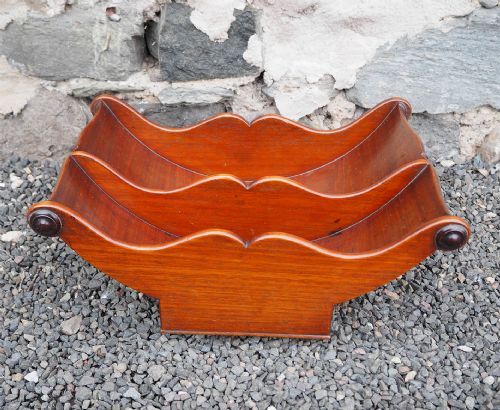
Fine mahogany cheese coasters show careful timber selection, smooth grain, and well-fitted metal liners or castors. Poorer examples exhibit worn plating, thin metal walls, or clumsy repairs to joints and handles.
Richard King·James Welch·William Grundy·Charles Stuart Harris
The Georgian Dining Tableware Glossary
- Sauce boat
- An open vessel with a spout and handle used for serving gravy or sauce at the table. These often stand upon three or four feet.
- Cheese coaster
- A shallow tray, frequently made of mahogany with metal trim and small wheels, designed to be rolled along the dining table.
- Old Sheffield plate
- A composite material made by fusing a thin sheet of silver to a thicker copper base. This technique preceded modern electroplating.
- Marrow scoop
- A long, narrow spoon with a trough-like bowl at each end, used for extracting marrow from bones during dining.
- Tureen
- A large deep bowl with a lid used for serving soups, sauces, or vegetables. They appear in both silver and old Sheffield plate.
Georgian Dining Tableware: Frequently Asked Questions
How do silver sauce boats differ from tureens?
Sauce boats are open vessels with spouts intended for individual gravies or dressings, whereas tureens are larger, covered dishes meant for communal portions.
Both items served central roles in the presentation of formal eighteenth-century meals.
What is old Sheffield plate?
Old Sheffield plate is an early fusing technique where a sheet of silver is bonded to a copper core under heat and pressure.
This method produced durable tableware that predates nineteenth-century electroplating.
How do you use marrow scoops today?
While originally intended for dining on bone marrow, these slender silver implements function well as small tasting spoons or cocktail stirrers.
Their distinct double-ended trough shape makes them versatile small utensils.