
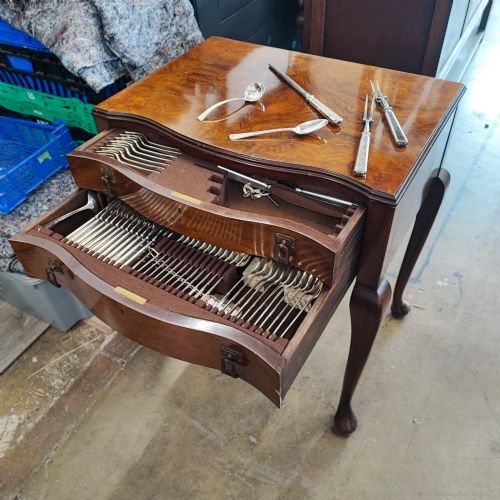


Georgian Dining Table Silver
Georgian dining table silver brings together candleholders, sauce boats, and wine coolers that anchor a formal dinner setting.
Georgian Dining Table Silver
When you search for Georgian dining table silver, you enter a field of functional dining pieces spanning candlesticks, sauce boats, meat domes, and wine coolers. The selection includes genuine pieces from the eighteenth and nineteenth centuries alongside later revivals from the twentieth century.
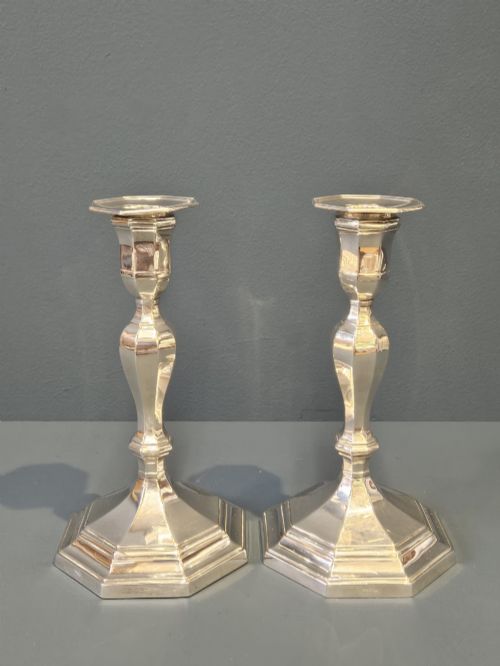
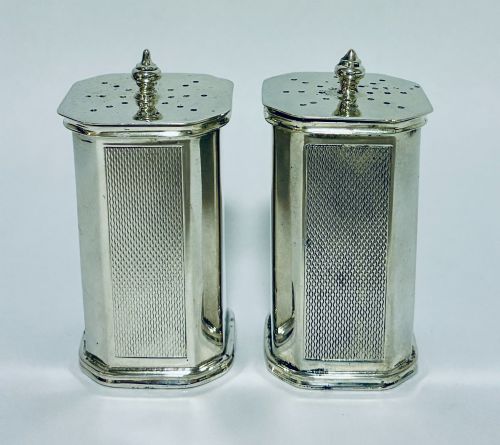
Candlesticks and candelabra dominate the forms you will meet, alongside smaller table accessories like pepper pots, knife rests, and salt cellars. These items reflect the formal requirements of historic dining tables, where silver and Old Sheffield plate served both practical and decorative roles.
Materials and construction
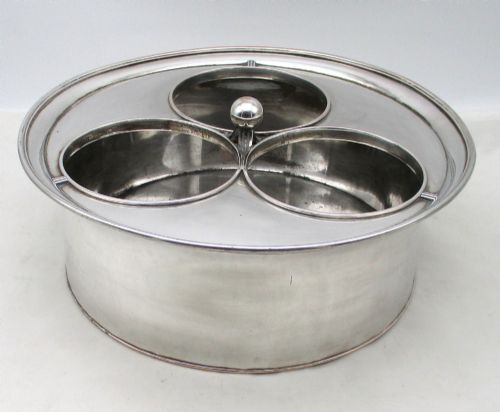
Makers utilised solid sterling silver, silver plate, and Old Sheffield plate, fusing copper and silver together before rolling the metals into sheets. This fused technique appears frequently in eighteenth and early nineteenth-century pieces such as meat domes, wine coolers, and taper sticks.
Casting and hammering formed the structural bodies of candlesticks and sauce boats, often finished with hand-cut details, applied borders, and engraved crests. Hallmarks stamped into solid silver pieces record the city of assay, the date letter, and the maker's mark.
Materials recorded across the inventory range from solid sterling silver and copper to Old Sheffield plate and cut glass.
Assessing quality and execution
The distinction between ordinary and superior pieces rests on the crispness of the cast ornament and the weight of the metal. Heavier gauge silver retains sharper engraving and resists denting along the rims and bases.
In Old Sheffield plate, quality shows in how well the silver layer adheres to the copper base without the underlying metal showing through high points. Maker attribution also separates standard domestic items from documented workshop output.
Roberts Cadman·John Cafe·Thomas Bradbury Sons Ltd·James Dixon Sons·Guild of Handicraft
The Georgian Dining Table Silver Glossary
- Old Sheffield plate
- A composite material made by fusing a thin sheet of silver to a thicker copper core. This technique predates modern electroplating and produces a warm glow as the copper shows softly through wear.
- Hallmark
- A series of official stamps struck into solid silver to guarantee metal purity. These marks identify the assay office, the operating year, and the individual silversmith.
- Meat dome
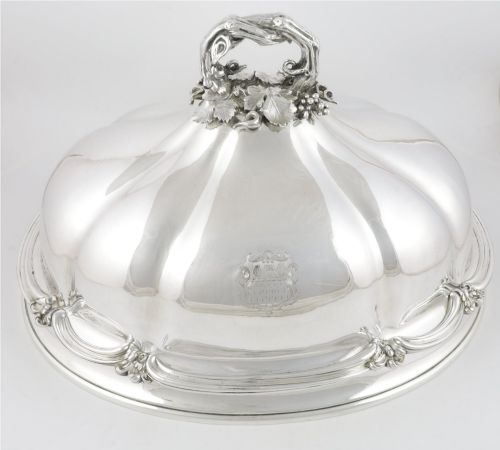
- A large domed cover placed over joints of meat on the dining table to retain heat. These massive covers often bear engraved family crests.
- Candelabra
- A branched candlestick holding multiple lights for table illumination. These taller pieces form the visual centrepiece of a dining arrangement.
- Sauce boat
- An open vessel with a spout and handle used for serving gravies and sauces. Examples range from plain mid-eighteenth-century designs to highly ornate Victorian revivals.
Georgian Dining Table Silver: Frequently Asked Questions
What is Old Sheffield plate?
Old Sheffield plate is an early form of plated metal created by fusing silver to a copper base before fabrication. This method produces a durable material with distinct visual properties.
Over time, the outer silver layer wears thin on high points, revealing the reddish copper underneath. This natural wear is considered desirable by collectors and confirms the age of the piece.
How do I date unmarked silver?
Dating unmarked items requires examining the manufacturing technique, style, weight, and tool marks. Pieces made via the fused Old Sheffield plate method generally point to the eighteenth or early nineteenth century.
Stylistic cues such as neoclassical urn motifs or rococo scrolls help narrow down the period. Comparing construction methods with hallmarked examples aids in establishing an approximate decade.
Can I use these items daily?
Solid silver items and sturdy plate handle regular use well provided they receive careful hand washing. Tableware such as knife rests, forks, and sauce boats function practically at modern dinner parties.
Delicate items like epergnes and tall candelabra require careful placement away from heavy traffic. Use protective felt pads beneath heavy bases to safeguard polished wooden tables.