





Georgian Dining Plates
These georgian dining plates and associated service pieces bring the solid weight of eighteenth and nineteenth-century dining rooms directly to your table.
Georgian Dining Plates
When you search for georgian dining plates, you encounter not only flat dinner service pieces but also the vessels and holders used to store and present them at table. The selection spans several centuries, touching upon the Georgian era alongside Victorian and later revivals.
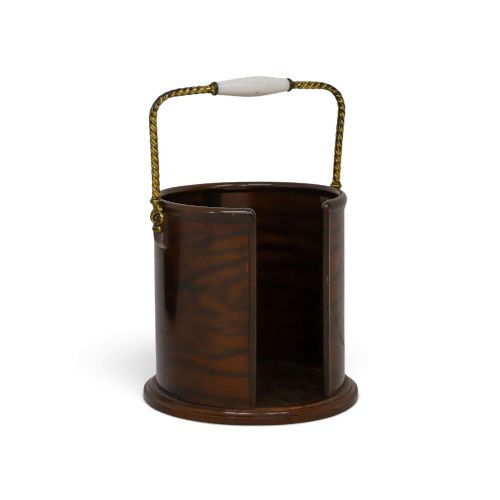
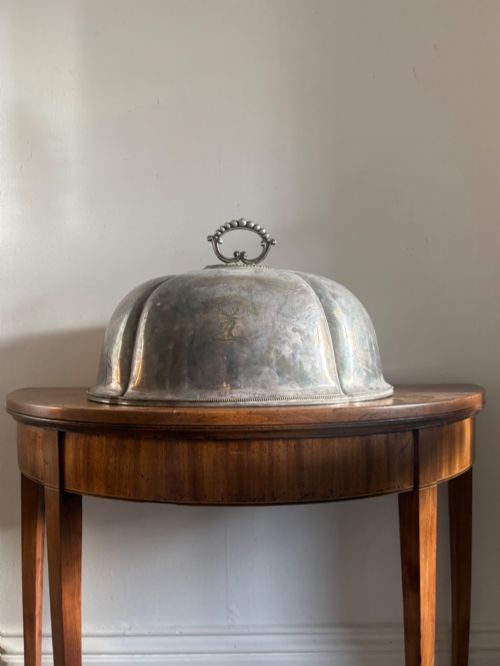
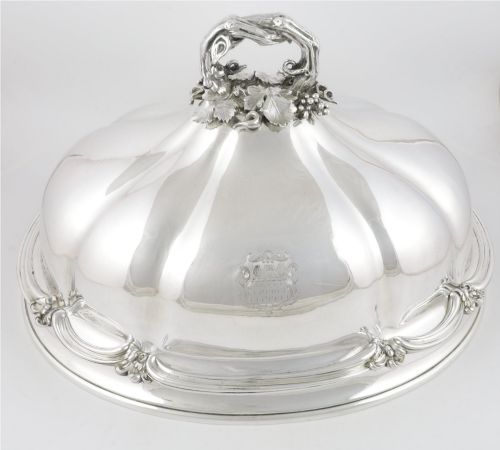
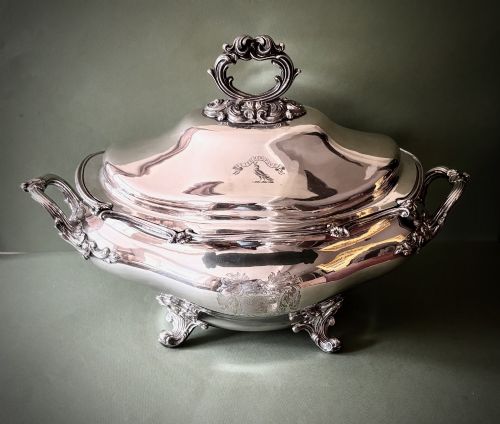
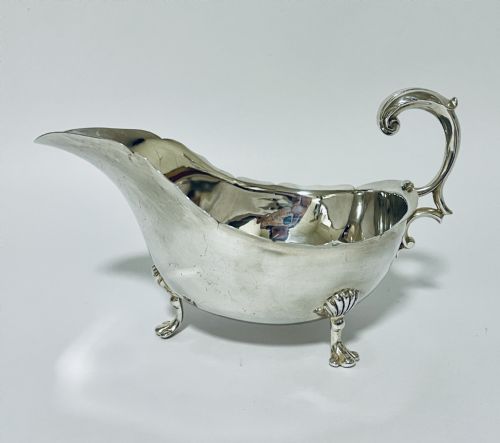
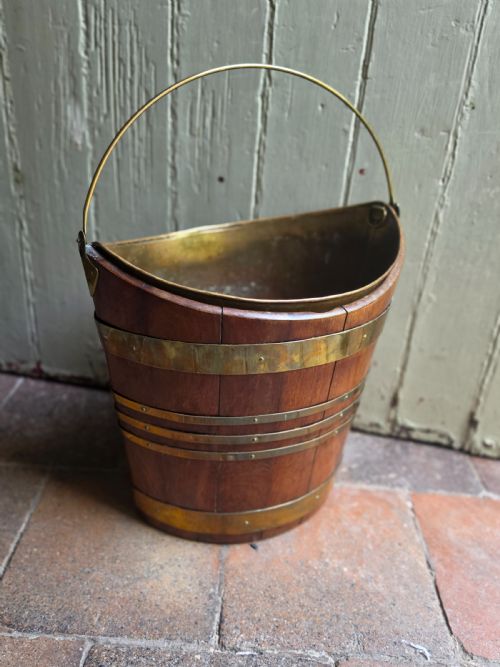
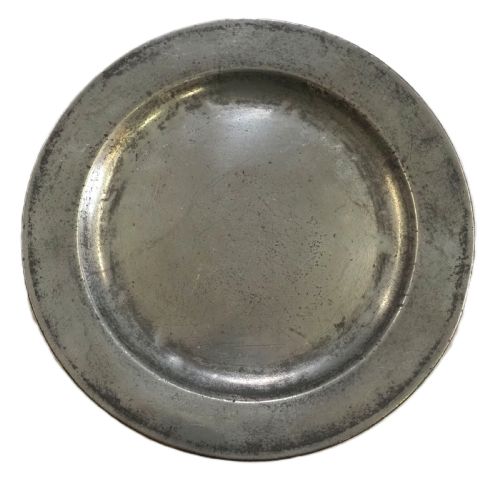
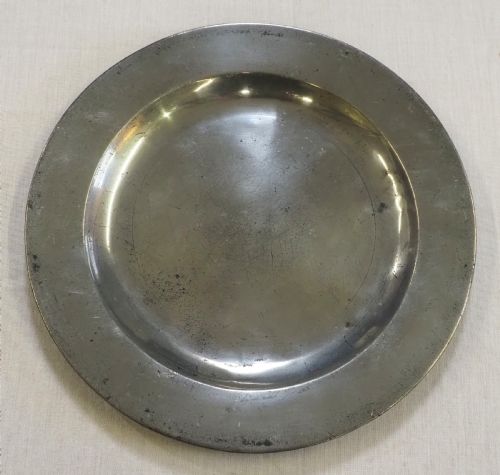
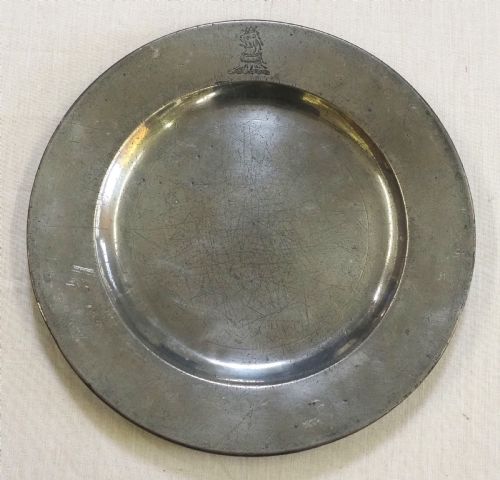
Mahogany plate buckets bound in brass sit alongside pewter plates bearing plain rims and maker marks. Alongside these rest Old Sheffield plate meat domes, sauce boats, and tureens that completed grand dining arrangements.
Materials and Construction
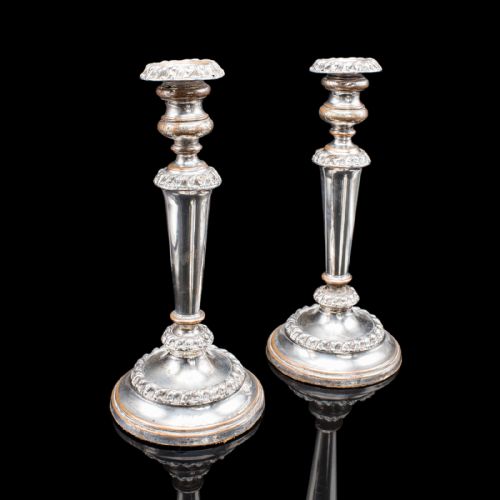
The metal pieces rely heavily on Old Sheffield plate, silver plate, copper, brass, and pewter, shaped to withstand the demands of heavy dining use. Pewter items display crisp touchmarks, while Old Sheffield plate fuses silver and copper through heat and pressure.
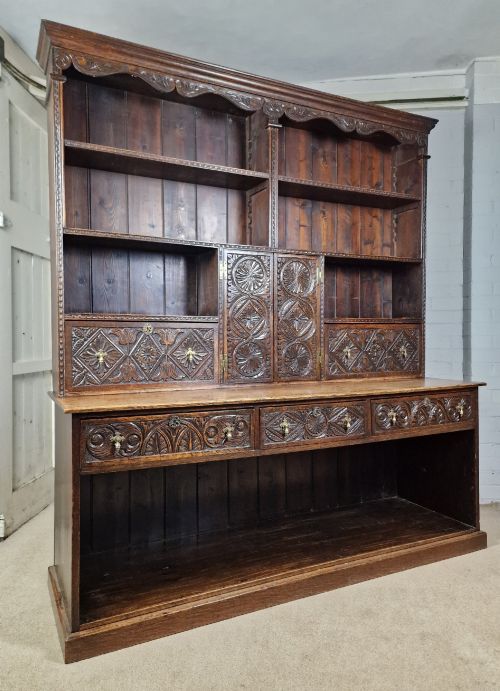
Wooden items utilise sturdy timbers such as oak and mahogany, often constructed with bent staves and secured with tight brass bands for the plate buckets. These construction methods ensure both functional strength and lasting visual presence.
Georgian Dining Plates Retail Price Guide 2026
Typical asking prices for georgian dining plates among the pieces listed under this phrase on Sellingantiques today, from the lower quarter to the upper quarter. They describe what is for sale here now, not the wider market.
Some wooden plate buckets still bear the faint, silent scuffs left by heavy porcelain edges shifting during bumpy eighteenth-century carriage rides.
Evaluating Quality
Quality rests upon the crispness of detail in engraved crests, the integrity of fused metals where base copper might show through worn silver, and the tightness of cooperage in wooden buckets. Pieces that retain their original proportions and maker marks command greater attention from those who study them.
The finesse of the smith or silversmith dictates the balance of a sauce boat or the clean turn of a pewter rim. Wear tells its own history, yet items displaying careful preservation of surface texture and original mounts stand apart from heavily restored examples.
James Spackman·Richard King of London·Humphrey Evans II of Exeter·Roberts Cadman·Barker Ellis·Blagden Hodgson and Co
The Georgian Dining Plates Glossary
- Old Sheffield Plate
- A composite material made by fusing a thin sheet of silver to a thicker base of copper. This technique preceded modern electroplating and produced items with rich warmth.
- Plate Bucket
- A deep, stave-built wooden vessel, often bound in brass, designed to hold dining plates upright near the table. They typically feature carrying handles.
- Meat Dome
- A large, domed metal cover placed over joints of meat to retain heat and keep food protected before carving. They often match the finish of contemporary tureens.
- Pewter Charger
- A large flat pewter dish used for serving large joints or as a base plate for multiple courses. These plates frequently carry touchmarks identifying the maker.
- Touchmark
- An official stamp pressed into pewter by a member of a guild or a recognised maker. They serve as a guarantee of metal standard and origin.
Georgian Dining Plates: Frequently Asked Questions
What were mahogany plate buckets used for?
These wooden vessels held clean ceramic or pewter plates close to the dining table during formal meals. Servants drew plates from the bucket as each course proceeded.
Their sturdy stave construction and brass bands allowed them to safely transport heavy stacks of tableware across large dining rooms without risk of damage.
How do I care for Old Sheffield plate?
Old Sheffield plate requires gentle cleaning with non-abrasive silver polishes to protect the thin layer of silver fused over the copper base. Harsh scrubbing will expose the reddish metal underneath.
Store these items in dry environments away from direct sunlight to prevent tarnishing and maintain their soft historic lustre.
What is the difference between pewter and silver plate?
Pewter is an alloy composed primarily of tin, valued for its dull grey sheen and practical durability in early households. It contains no silver.
Silver plate applies a thin layer of pure silver over a base metal like copper, offering the bright reflective appearance of solid silver at a lower cost.
How can I date a pewter plate?
Pewter plates often feature touchmarks stamped directly into the metal by the maker, which can be cross-referenced with guild records. The absence or presence of a broad brim also helps determine the decade of production.
Plain rims and deep basins generally point toward earlier manufacturing periods, while lighter, thinner plates suggest later nineteenth-century practices.