

Georgian Desk Turned Legs
A georgian desk turned legs brings together robust country timbers and refined period forms for everyday writing use.
Georgian Desk Turned Legs
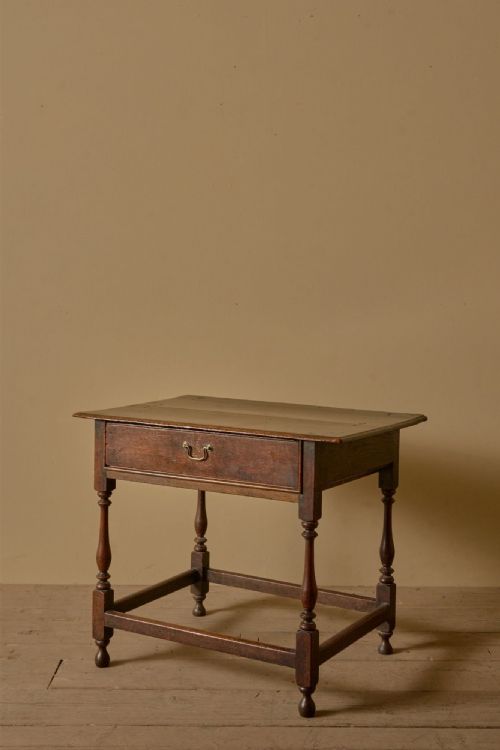
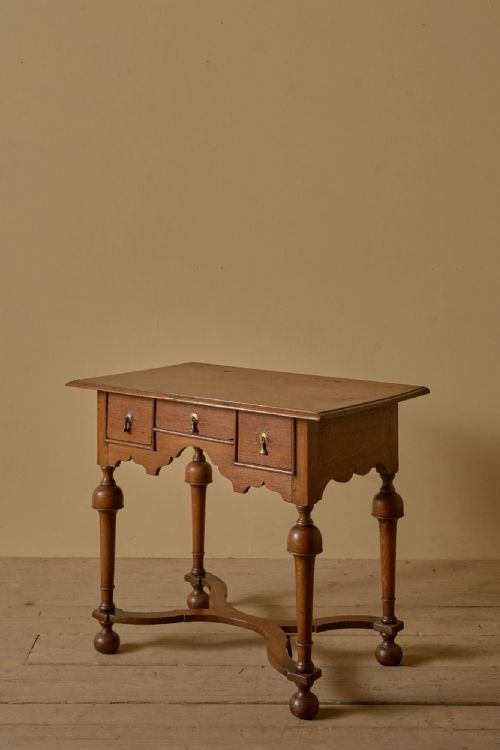
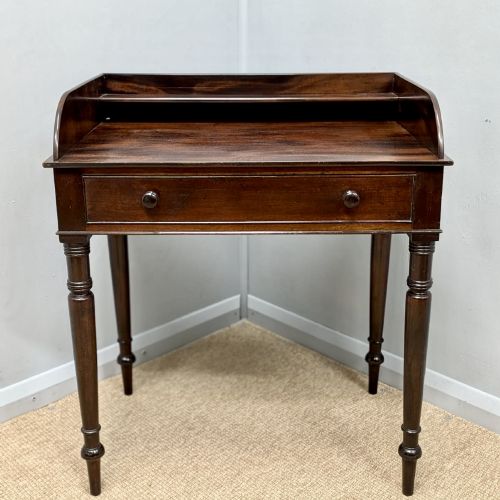
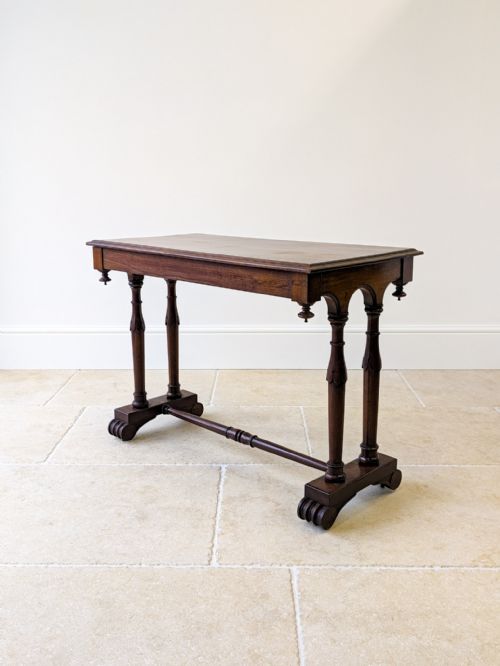
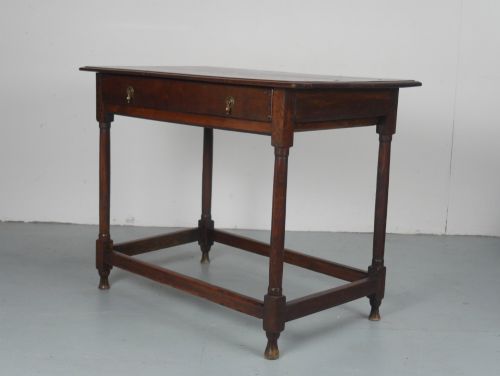
A georgian desk turned legs typically encompasses writing tables, side tables, and occasional desks originating from the Georgian, Regency, and nineteenth-century periods. These items draw upon styles such as English Country Vernacular, George III, and William IV.
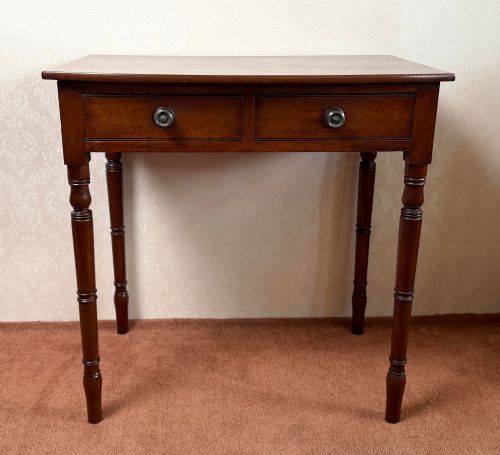
Buyers encounter mahogany frequently, alongside oak, yew, elm, and ash. Forms range from simple two-drawer side tables to partners writing tables and cylinder top desks.
Materials and construction
Cabinet makers utilised dense hardwoods like mahogany and oak for structural stability, often pairing them with secondary timbers such as elm and yew in country pieces.
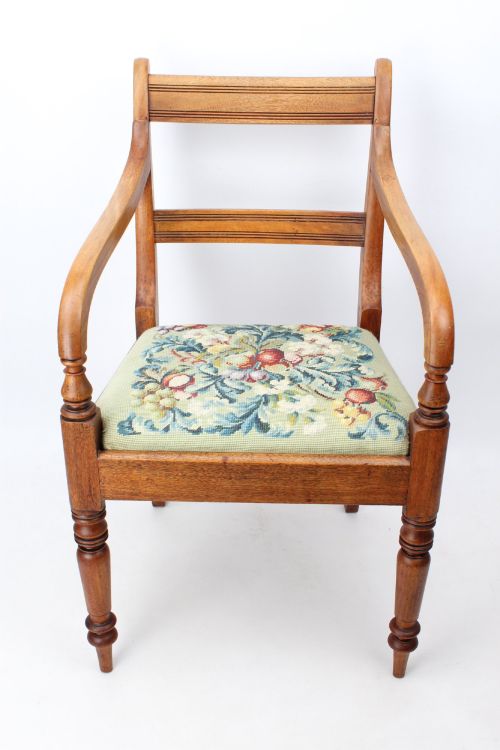
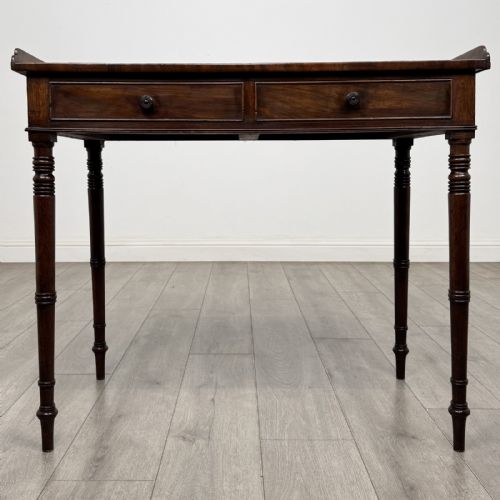
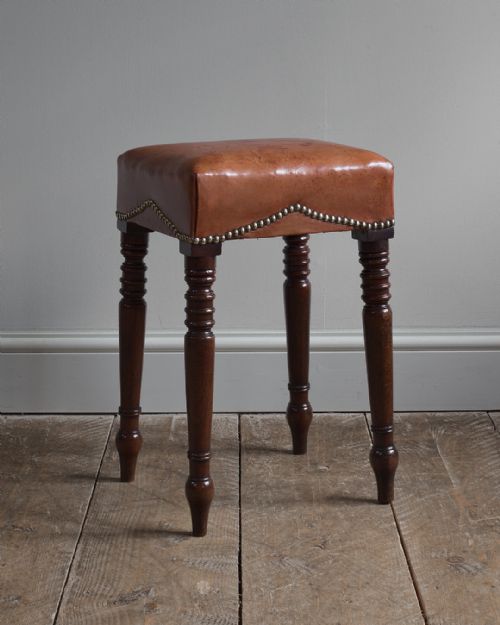
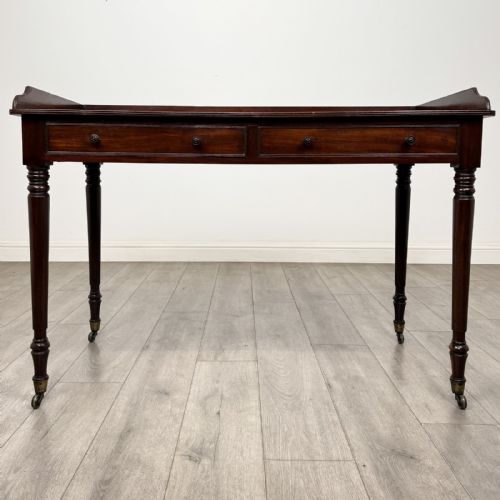
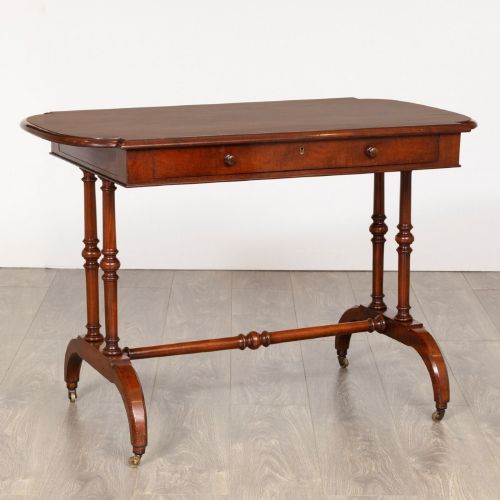
Details include leather inserts for writing surfaces, brass fittings, and turned legs that reflect both formal urban workshops and regional vernacular traditions.
Georgian Desk Turned Legs Retail Price Guide 2026
Typical asking prices for georgian desk turned legs among the pieces listed under this phrase on Sellingantiques today, from the lower quarter to the upper quarter. They describe what is for sale here now, not the wider market.
Current listings feature pieces spanning the Georgian, Regency, and Victorian periods, constructed from mahogany, oak, elm, yew, and rosewood.
Distinctions in craftsmanship
The selection of timber grain and the integrity of the structural joinery separate standard vernacular items from finer formal furniture.
The precision of turned leg profiles and the preservation of original hardware determine the overall standard of each piece.
James Mein of Kelso
The Georgian Desk Turned Legs Glossary
- Partners writing table
- A large desk designed to be used from both sides, featuring drawers or cupboards facing opposite directions. Such tables often scale to grand proportions.
- Gallery top
- A low raised rim around the edge of a table or dressing surface to prevent items from rolling off. This feature appears on several Regency dressing tables.
- Gateleg table
- A table with hinged legs that swing out to support drop leaves. Early examples utilise timbers such as walnut or oak.
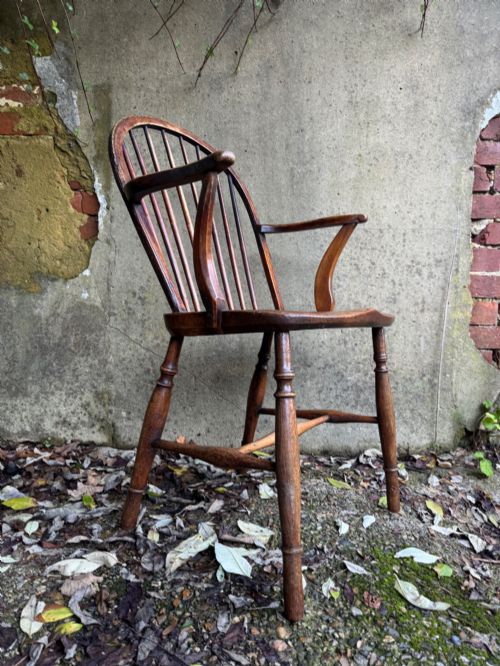
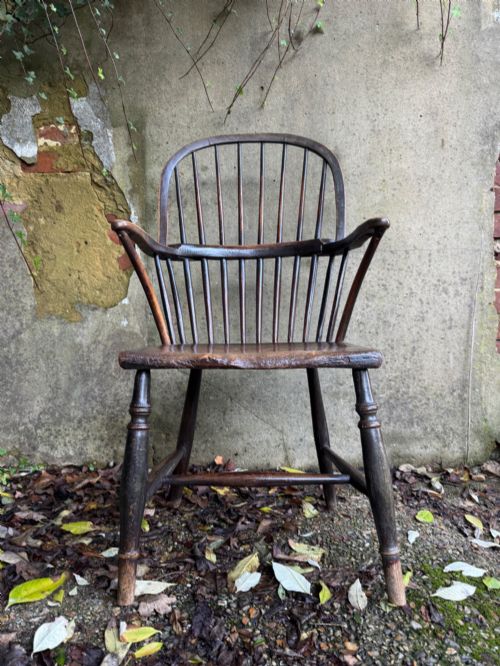
- Windsor armchair
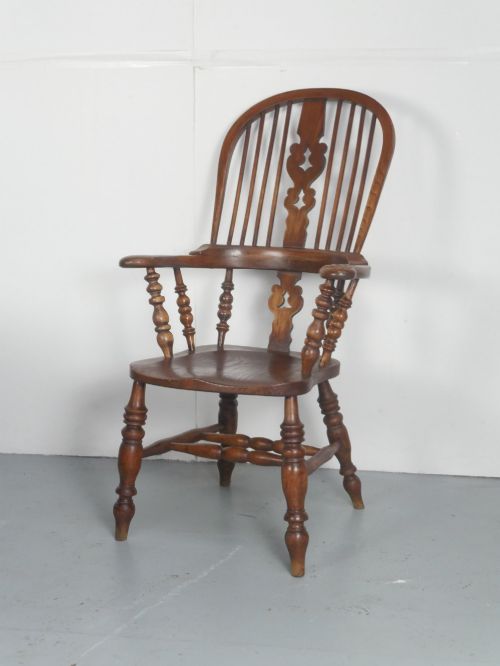
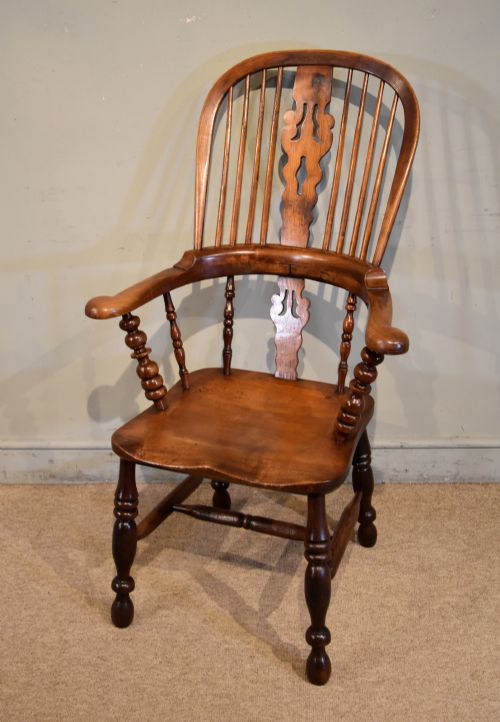
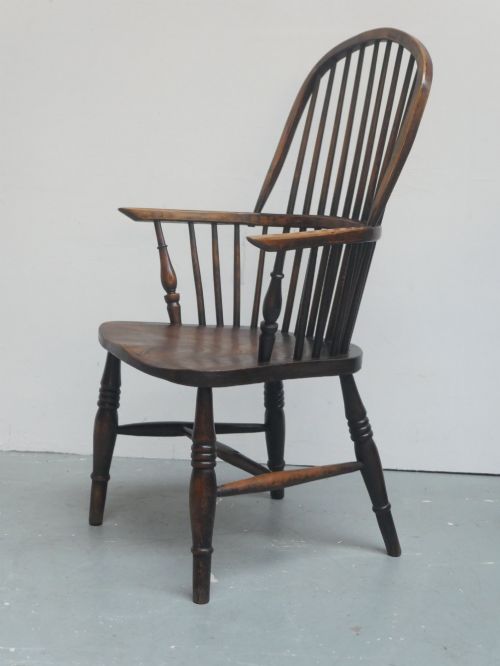
- A traditional wooden seat construction featuring spindles socketed into a solid shaped wooden seat. These chairs frequently combine yew, elm, and ash.
Georgian Desk Turned Legs: Frequently Asked Questions
What defines a georgian desk turned legs?
These pieces combine period writing furniture forms with turned wooden supports, spanning eighteenth and nineteenth-century eras.
They appear in various timbers including mahogany, oak, and yew.
How are these tables used?
They serve primarily as writing desks, side tables, or occasional tables within home studies and living spaces.
Their drawer configurations provide practical storage for stationery and small items.
How do I identify the period?
Stylistic markers such as George III proportions, Regency brass details, and vernacular turned legs help distinguish the era.
Construction methods and timber selection further indicate whether a piece originates from the eighteenth or nineteenth century.