


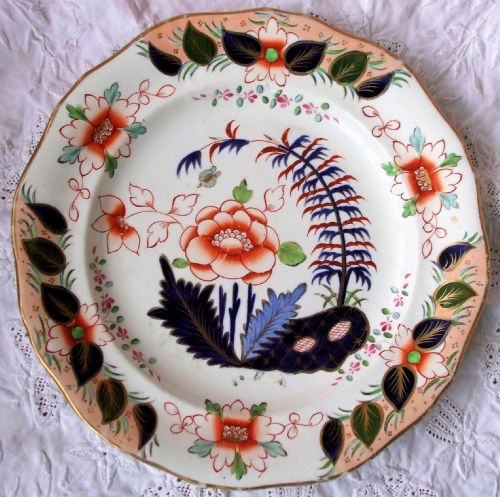


Georgian Decorative Plate
A georgian decorative plate brings eighteenth and nineteenth-century hand-painted earthenware, porcelain, and tin-glazed pottery straight to the table or wall.
Georgian Decorative Plate
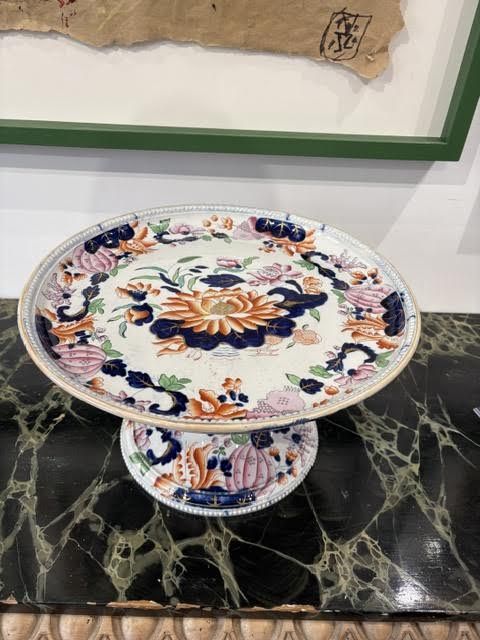
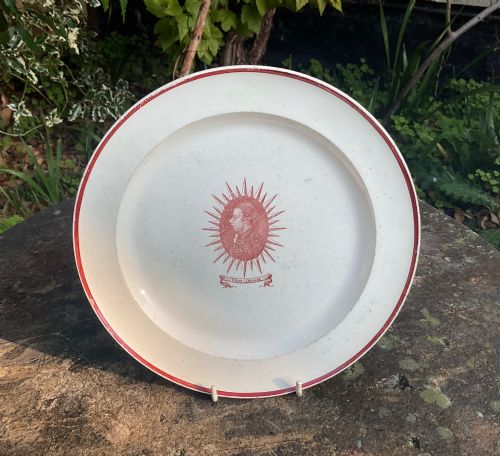
A georgian decorative plate encompasses a varied selection of ceramic wares intended primarily for display, formal service, and cabinet presentation rather than daily utilitarian dining. Buyers encountering this selection will find charger plates, cabinet plates, and dessert dishes originating from prominent eighteenth and nineteenth-century English potteries.
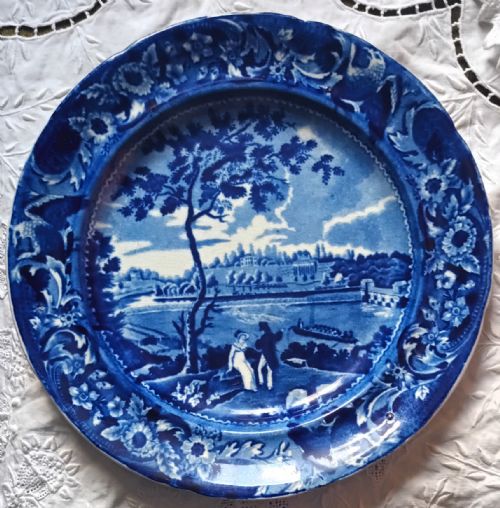
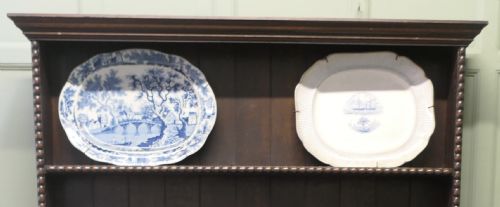
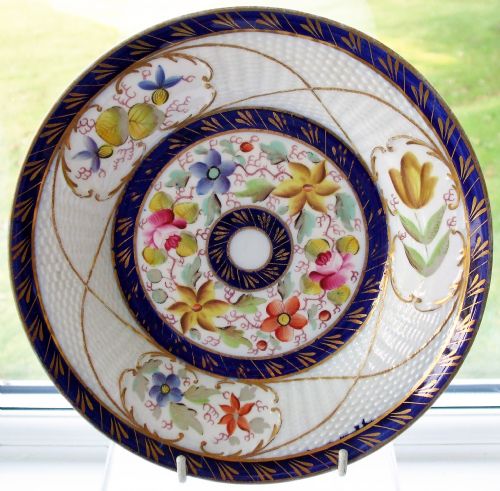
The objects span pearlware, ironstone, soft-paste porcelain, and tin-glazed earthenware, reflecting the shifting tastes of the Georgian and Regency periods. Many pieces display transfer-printed blue and white landscapes, hand-painted botanical studies, or intricate Chinoiserie motifs borrowed from Qing Dynasty designs.
How they were made
Potters shaped these ceramics using local clays, bone china bodies, and tin glazes, firing them in kilns before applying manual or printed decoration. Transfer printing allowed factories to apply intricate blue and white copperplate designs onto earthenware bodies prior to glazing.
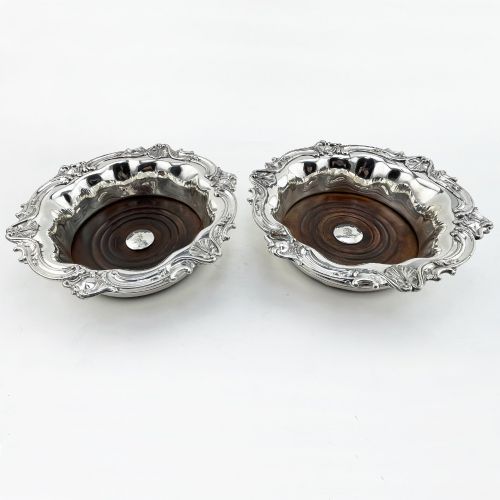
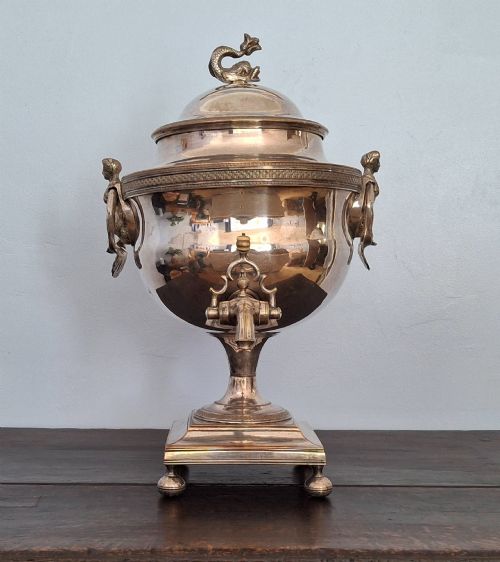
Painters added hand-applied polychrome enamels and gold leaf highlights over the glaze for finer cabinet plates and dessert services. Artisans also worked in pewter, brass, and Old Sheffield plate, hammering or rolling metal sheets to create substantial decorative chargers and wall dishes.
Georgian Decorative Plate Retail Price Guide 2026
Typical asking prices for georgian decorative plate among the pieces listed under this phrase on Sellingantiques today, from the lower quarter to the upper quarter. They describe what is for sale here now, not the wider market.
Several kitchen walls throughout the Georgian era hosted bright blue and white chargers simply because their lively maritime scenes offered cheap entertainment.
What varies in quality
The distinction between standard utility wares and exceptional cabinet plates rests on the crispness of the transfer printing and the precision of the hand-painted brushwork. Superior pieces display vibrant, saturated enamel colours, expertly balanced compositions, and minimal kiln distortion during the firing process.
Makers known for exceptional paste preparation and artistic direction, such as Worcester or Minton, achieved finer translucency in porcelain and greater durability in ironstone. The artistic ambition of the pattern, whether a topographical landscape or an intricate Imari design, dictates the overall standing of the piece.
John Davenport of Longport·Stubbs·New Hall Porcelain·Chamberlain's Worcester·Minton·Barr, Flight and Barr·Flight, Barr and Barr·Ridgway·William Adams·Don Pottery·Mason·Spode·S Duncomb
The Georgian Decorative Plate Glossary
- Delft
- Tin-glazed earthenware produced in England and the Netherlands, typically featuring a white opaque background painted with blue or polychrome motifs. It is known for a softer body prone to edge chipping.
- Ironstone
- A heavy, durable type of earthenware patented in the nineteenth century to rival true porcelain. It withstands frequent handling while accepting dense transfer-printed patterns.
- Pearlware
- A refined earthenware developed with a bluish-tinted glaze that pooled slightly in recesses to mimic the whiteness of Chinese porcelain. It dominated Staffordshire production around the turn of the nineteenth century.
- Transfer printing
- A mechanical method of applying complex designs to ceramic surfaces by pressing paper from an engraved copper plate onto the biscuit or glazed body. This technique revolutionised output in British potteries.
- Charger
- A large circular dish measuring significantly broader than a standard dining plate, used traditionally for ceremonial service or wall display. Examples appear in pewter, brass, and tin-glazed earthenware.
Georgian Decorative Plate: Frequently Asked Questions
How do I hang a wall plate safely?
Displaying ceramics on vertical surfaces requires non-damaging spring-loaded brass hangers that secure evenly around the rim without exerting pressure on historic glaze or soft earthenware bodies.
Ensure the wall fixing engages directly with structural plaster or masonry to support the substantial weight of ironstone chargers and heavy porcelain dishes.
Can I use these plates for dining?
Historic ceramic and metal wares are generally reserved for decorative display rather than active modern food service, due to the delicate nature of soft-paste glazes and historical surface wear.
Earthenware bodies from this era can absorb moisture through tiny crazing lines in the glaze, making them unsuitable for regular washing and culinary use.
What is the difference between porcelain and ironstone?
Porcelain is a vitrified, highly refined ceramic body offering characteristic translucency when held to a strong light source, whereas ironstone is a dense, opaque, and robust type of earthenware.
Ironstone was engineered to provide superior strength for large serving platters and heavy dinner services while maintaining a bright white canvas for transfer printing.
How do I clean antique plates safely?
Dusting with a dry, soft microfiber cloth is sufficient for routine maintenance, avoiding harsh modern chemical detergents or abrasive scrubbers that damage hand-painted enamel and gold leaf.
Submerging historic ceramics in water should be strictly avoided if the glaze exhibits extensive crazing, as trapped moisture causes staining and structural degradation.