



Georgian Decorative Art
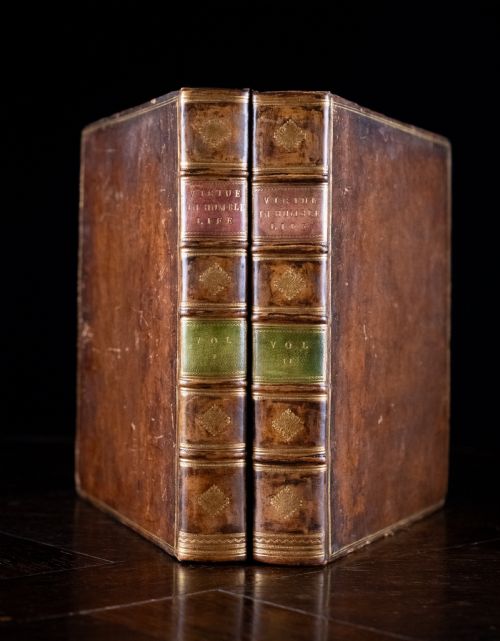
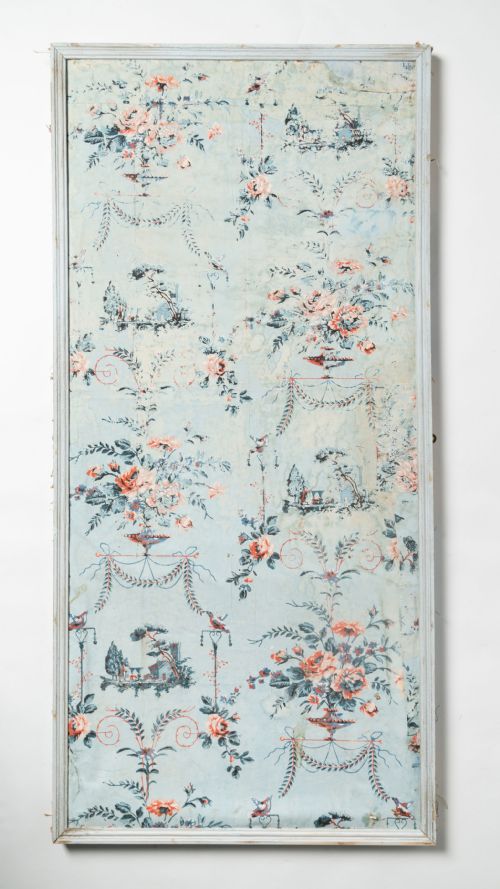
Georgian decorative art gathers the painted panels, framed prints, carved wood reliefs and intricate boxes that defined stylish interiors of the eighteenth and nineteenth centuries.
Georgian Decorative Art
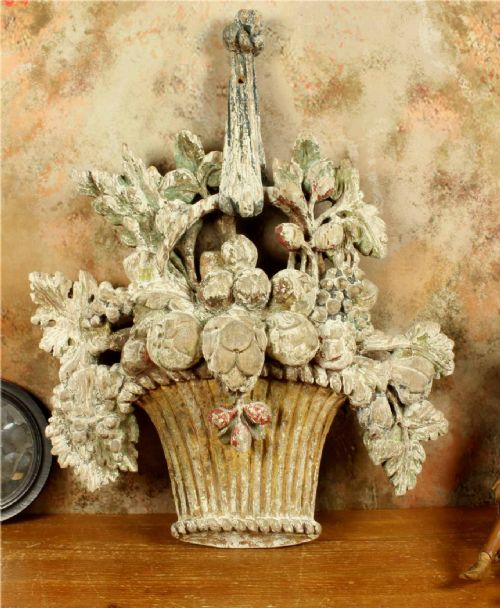
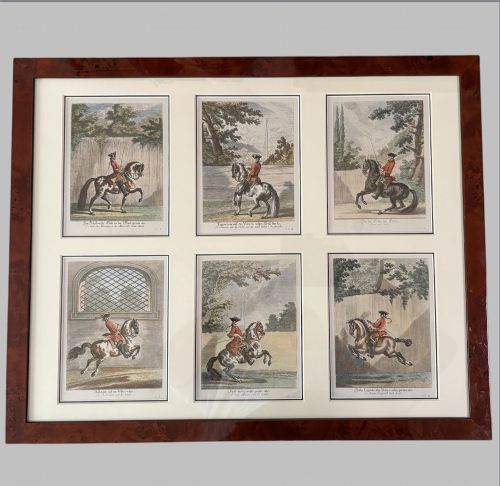
Georgian decorative art spans a diverse assortment of domestic ornaments, wall pieces and utilitarian objects designed to enrich interiors. Buyers seeking georgian decorative art will encounter framed engravings, painted panels, boxes and carved wooden reliefs from the eighteenth and nineteenth centuries.
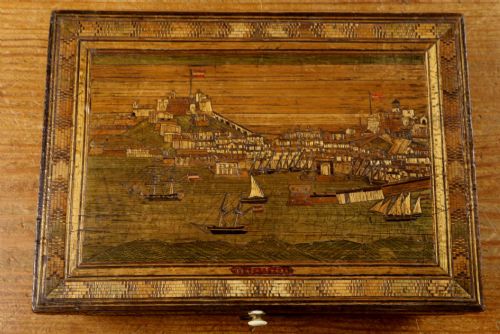
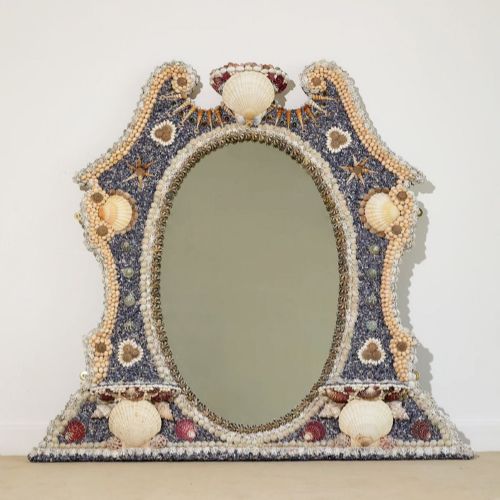
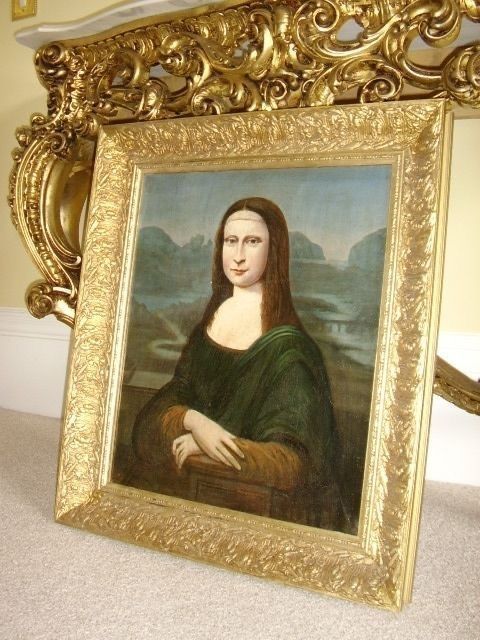
The selection ranges from grand mirrors and oil portraits to folk art items like dummy boards and straw work boxes. Pieces frequently display neoclassical influences, hand-coloured details and domestic craftsmanship characteristic of the period.
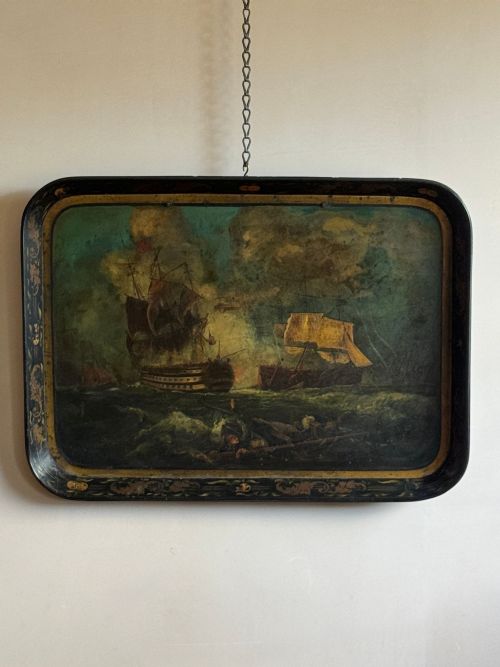
Smaller functional items such as tea caddies, treen fruitwood implements and papier-mâché trays sit alongside larger wall art and architectural ornaments. These objects reflect both polite society tastes and popular decorative traditions of the era.
Materials and construction methods
Makers utilised traditional timber species like fruitwood and hard wood for carved items, boxes and reliefs, frequently finishing surfaces with paint, gold leaf or pigment. Paper, canvas and copper plates served as the primary mediums for framed prints, maps and oil paintings.
Specialised techniques such as japanning, hand-colouring, copper engraving and delicate straw work appear across the inventory. Artisans also employed gesso moulding, shellwork application and embroidery to achieve rich surface textures and visual depth.
Georgian Decorative Art Retail Price Guide 2026
Typical asking prices for georgian decorative art among the pieces listed under this phrase on Sellingantiques today, from the lower quarter to the upper quarter. They describe what is for sale here now, not the wider market.
Current listings feature items spanning the 18th century, Georgian, Regency, and 19th-century periods, alongside materials like wood, glass, brass and canvas.
Factors influencing quality
Quality rests upon the crispness of the carving, the finesse of the hand-painting or engraving, and the preservation of original surface finishes. Pieces retaining undisturbed patination and careful detailing stand apart from simpler or heavily restored examples.
The sophistication of the design, whether a finely executed portrait or a detailed cartographic map, dictates the artistic merit. Materials such as gold leaf application and precise joinery further elevate the standing of individual objects.
The Georgian Decorative Art Glossary
- Dummy board
- A painted wooden figure cut out to life size, designed to stand in a room as a silent companion or decorative illusion.
- Japanning
- A European imitation of East Asian lacquerwork, created by applying layers of varnish and paint to surfaces such as papier-mâché or wood.
- Gesso
- A plaster-like mixture applied to wood or canvas as a base for moulding and gilding decorative frames and panels.
- Chinoisserie
- European artistic interpretations of Chinese and East Asian decorative styles, popular on ceramics and wall panels.
Georgian Decorative Art: Frequently Asked Questions
What is a dummy board?
A dummy board is a flat wooden panel painted to depict a person, animal or soldier, cut out and edged to stand realistically in a room.
These silent companions served as decorative conversation pieces in hallways and empty hearths during the eighteenth and nineteenth centuries.
How do I care for painted panels?
Painted wooden panels and canvas works require stable indoor humidity away from direct sunlight to protect the fragile pigments and wooden substrates from warping.
Gentle dusting with a dry, soft cloth preserves the historic surface without disturbing the original paint layers.
What is straw work?
Straw work involves splitting, flattening and gluing fine cereal straw onto wooden boxes to create intricate geometric and pictorial mosaic patterns.
Porter and prisoner of war camps produced notable examples of this technique during the Napoleonic conflicts.