
Georgian Cut Crystal Glass
Georgian cut glass crystal brings heavy lead metal and brilliant wheel-cut facets to the table, offering a tactile weight and refractive fire that modern glass simply cannot match.
Georgian Cut Crystal Glass
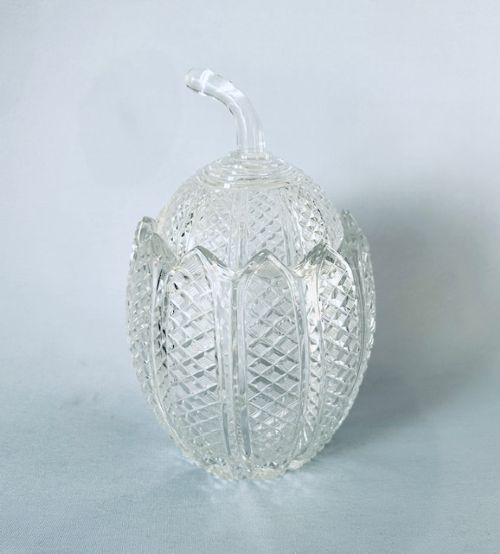
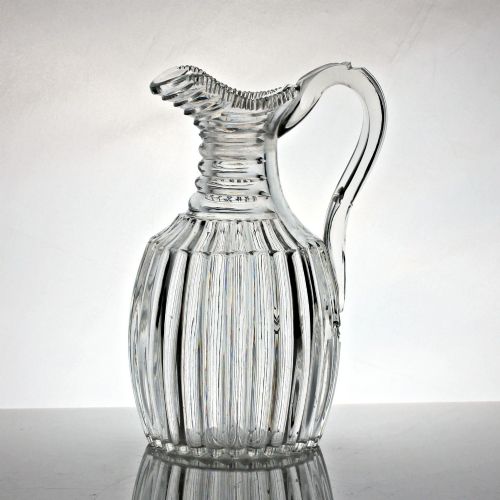
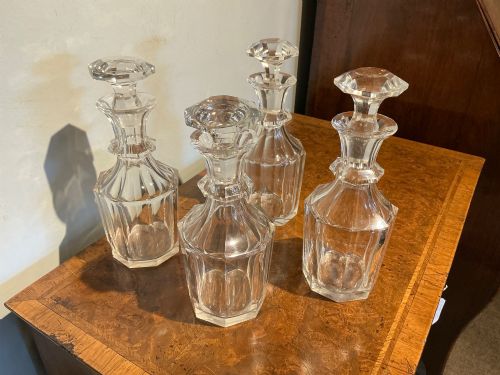
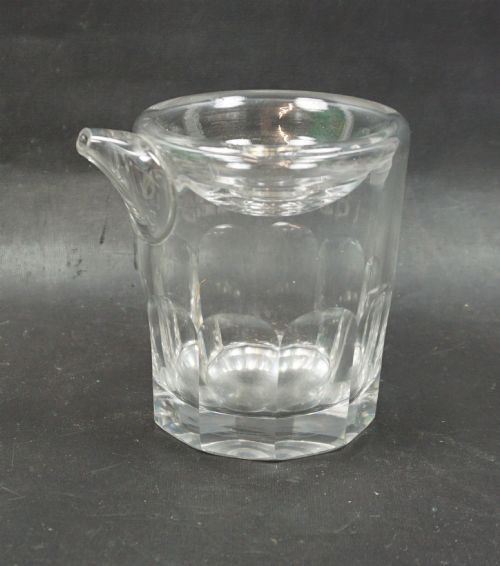
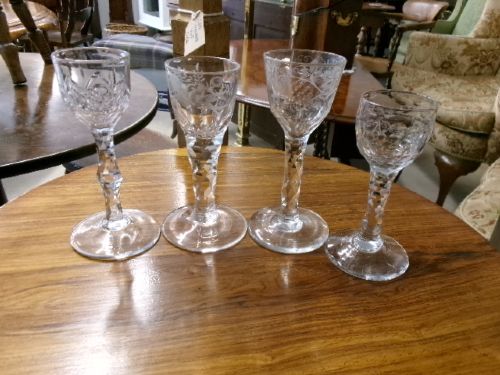
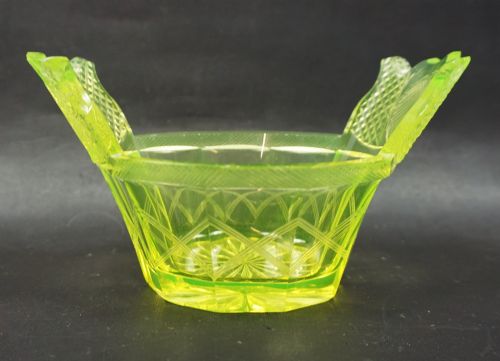
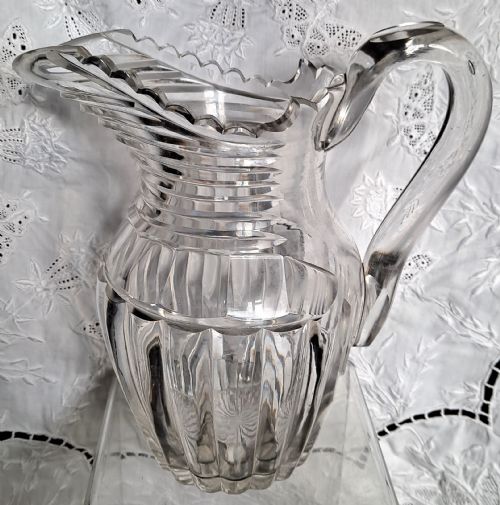
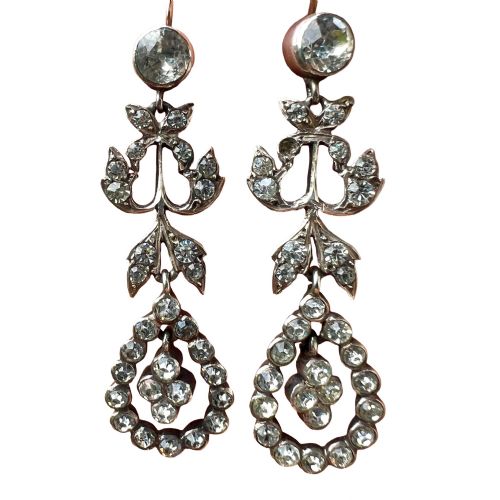
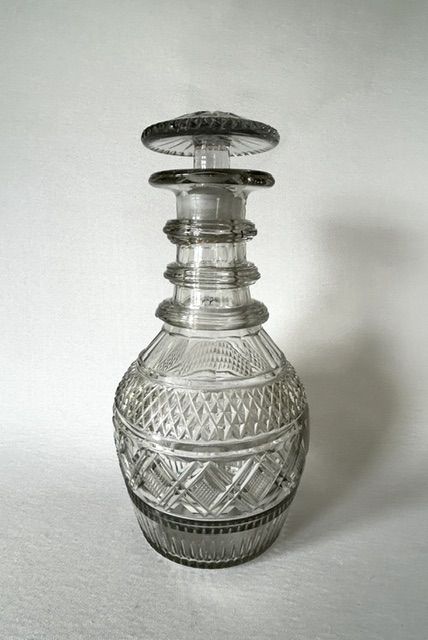
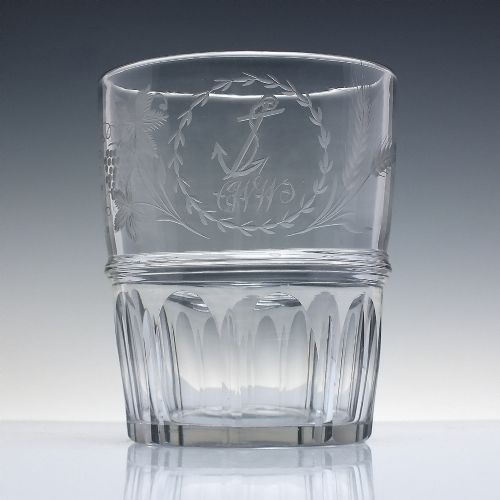
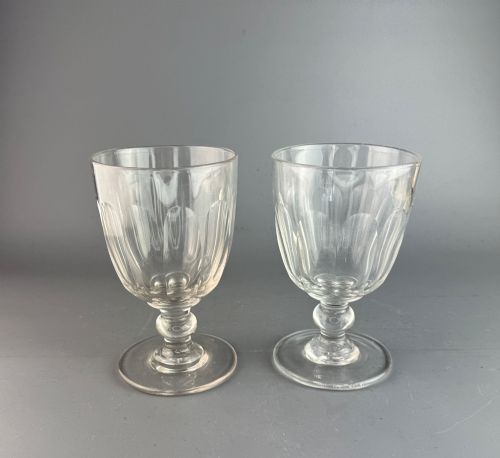
When you search for georgian cut crystal glass, you encounter functional tableware and serving pieces spanning the eighteenth and nineteenth centuries, including decanters, rummers, water jugs, salts, and fruit bowls. English and Irish workshops dominate these listings, alongside occasional continental pieces from Bohemia.
The forms range from heavy drinking vessels with faceted stems to large standing bowls, cruet sets, and novelty biscuit barrels. Most examples date from the Georgian, Regency, and William IV periods, reflecting a high point in lead glass manufacture.
How they were made
Craftsmen used heavy lead glass or lead crystal containing significant amounts of lead oxide, which added softness for cutting and high refractive brilliance. Artisans then shaped pieces by blowing into moulds or free-blowing before applying deep wheel-cut decoration.
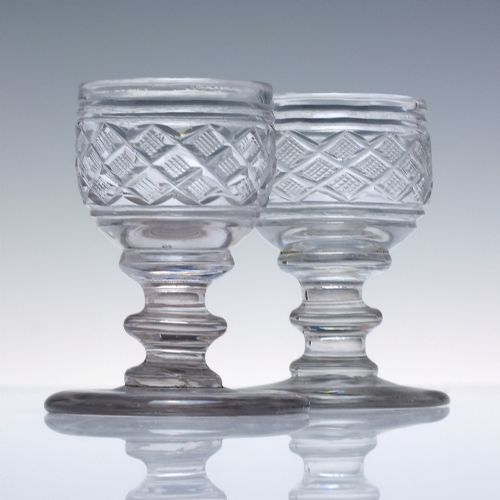
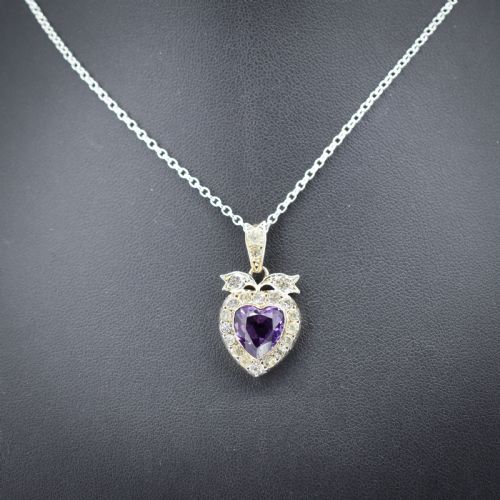
Cutting techniques included pillar and prism cuts, hobnail patterns, blaze cutting, and facet cutting on stems or bowls. Silver mounts and accents occasionally accompanied the glass on items such as cruet sets, preserve pots, and pendants.
What varies in quality
The clarity and weight of the lead glass establish the baseline, with heavier, clearer metal yielding sharper light refraction and a superior ringing tone when struck. Superior pieces display crisp, deep wheel-cutting where edges remain sharp rather than softened by polishing or wear.
Design ambition and form complexity also separate standard items from exceptional ones, particularly in Irish pieces known for deep cutting and substantial proportions. Maker attribution, such as signed work or documented London retailing, adds further distinction to established forms.
William Rudkins London·James Giles·Asprey & Co.
The Georgian Cut Crystal Glass Glossary
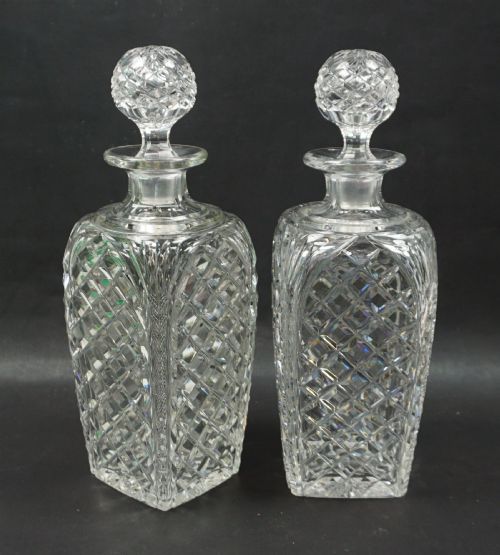
- Hobnail cut
- A pattern of raised, multi-sided square points resembling the hobnails on country boots. It creates intense texture and sparkle across rummers and decanters.
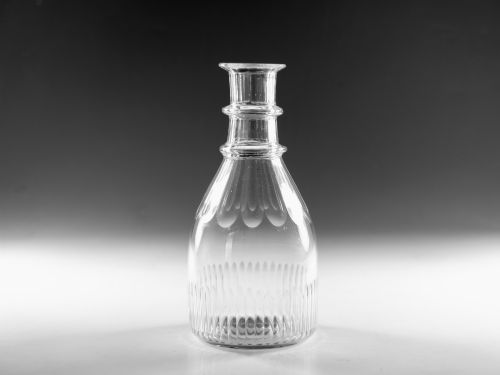
- Prussian decanter
- A decanter shape featuring a tapered body and three or more neck rings. This form provided stability on ship and dining table alike.
- Lemon squeezer base
- A square, pressed glass foot with sloping sides that resembles an old-fashioned lemon squeezer. Collectors prize these heavy square bases on early rummers and decanters.
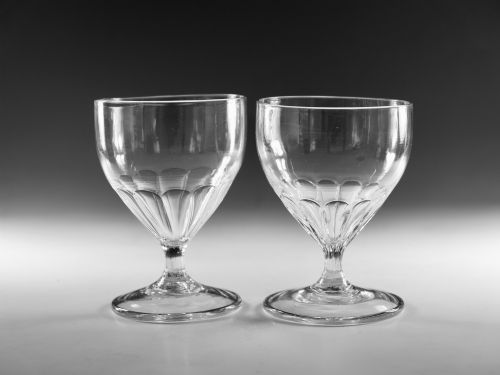
- Rummer
- A large, sturdy drinking glass used for punch, beer, or rum during the eighteenth and nineteenth centuries. They usually feature short stems and heavily cut bowls.
- Facet cut
- Flat polished planes ground into the surface of the glass handle, stem, or bowl. This technique increases the number of light-reflecting angles.
Georgian Cut Crystal Glass: Frequently Asked Questions
Were these pieces used for wine or spirits?
Georgian cut glass served a wide variety of alcoholic beverages, with specific forms designed for port, whiskey, rum, and ale. Smaller glasses held fortified wines, while large rummers and flip glasses accommodated hearty ales and mixed punches.
Decanters and cruet sets held spirits and condiments on the dining table, remaining ready for service throughout long evening meals.
What is a lemon squeezer foot?
A lemon squeezer foot is a square, pressed base found on rummers and decanters dating around the turn of the nineteenth century. The sharp-cornered, moulded shape earned its nickname from contemporary domestic utensils.
These feet provide a very stable base for heavy drinking vessels and serve as a reliable indicator of early period manufacture.
Can I use these glasses today?
You can safely use antique rummers, decanters, and wine glasses for special occasions, provided you handle them with care. Modern dishwashing and rough handling pose the main threats to their survival.
Many collectors enjoy experiencing the tactile weight and historic feel of these vessels by using them for dining and entertaining.