

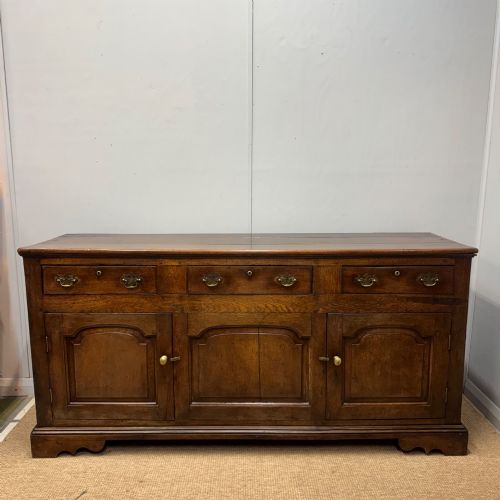
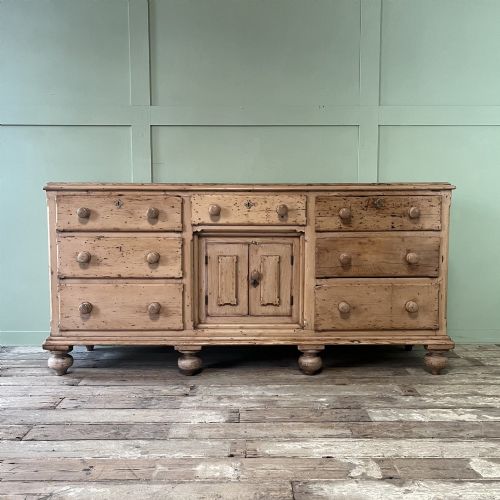
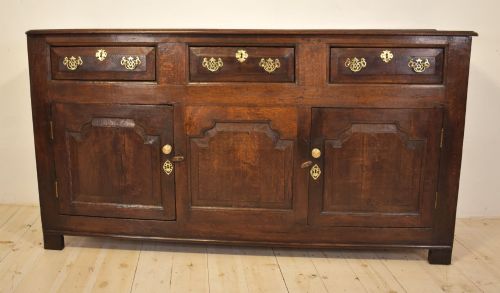
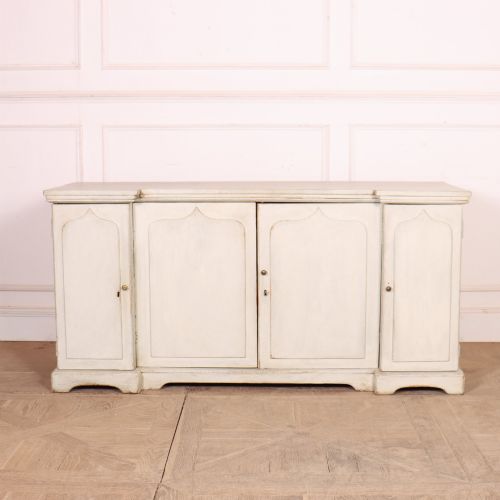


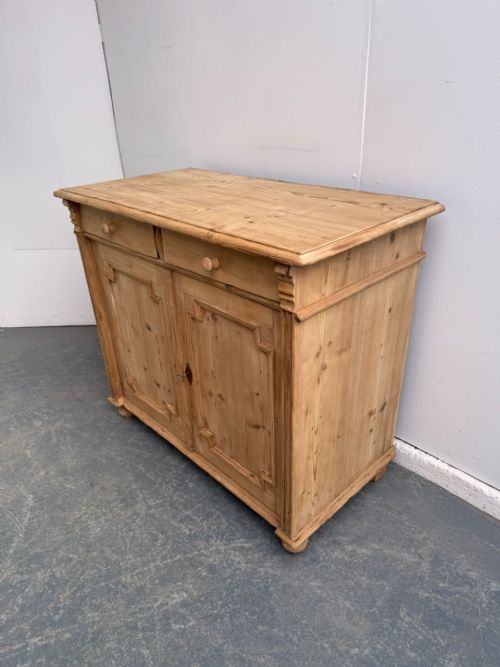
Georgian Cupboard Base
A georgian cupboard base is a sturdy utilitarian anchor for a room, prized for honest timber and generous storage.
Georgian Cupboard Base
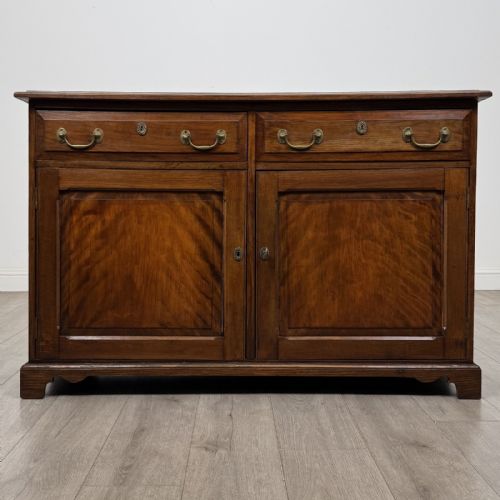
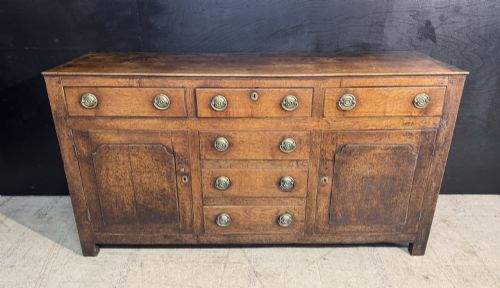
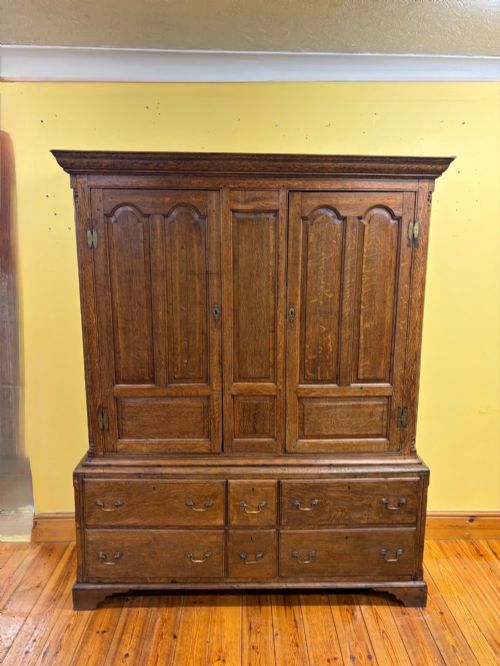
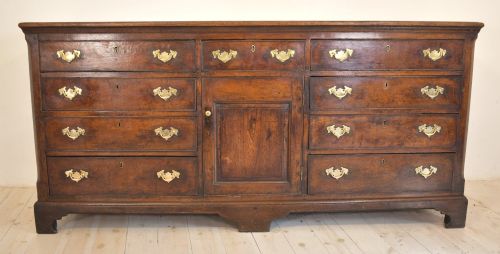
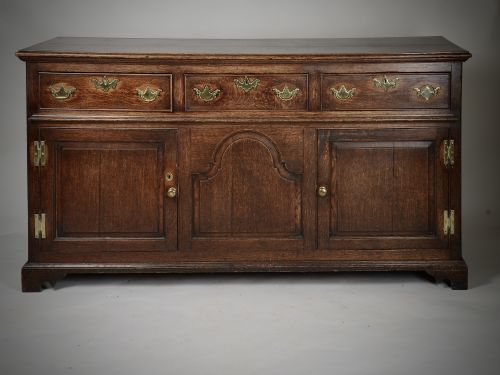
A georgian cupboard base provides practical storage through enclosed lower doors and drawers, forming the heavy foundational half of a traditional dining room or kitchen arrangement. Buyers searching for a georgian cupboard base will frequently encounter pieces designed for provincial households, including regional vernacular forms from Wales and Lancashire.
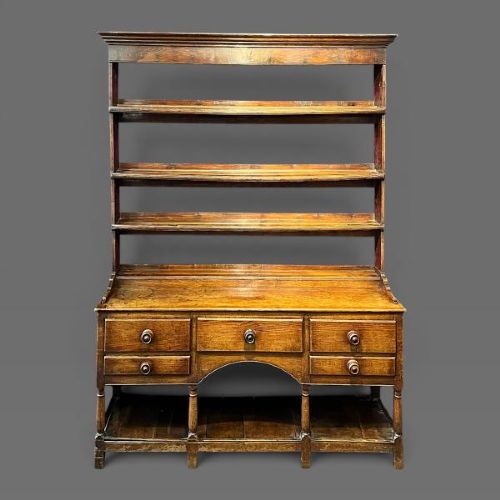
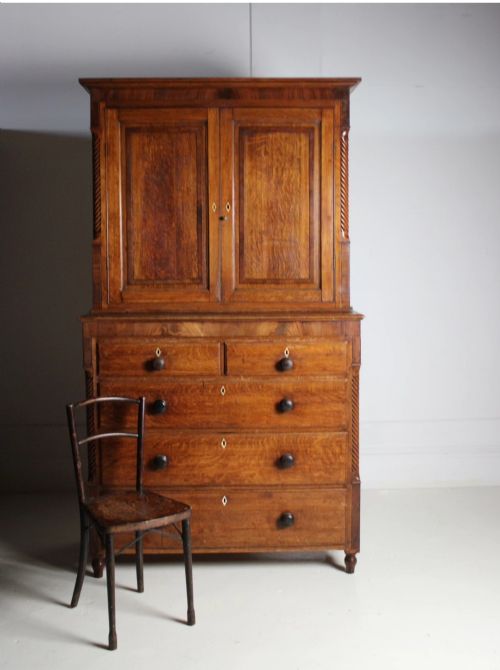
The prevailing examples on this page date predominantly from the eighteenth and nineteenth centuries, spanning Georgian, George II, and George III periods. These items commonly present as oak or pine dresser bases, housekeeper cupboards, and sideboard formats rather than tall upper shelving units.
Regional variations shape these forms deeply, with native oak constructions appearing alongside country house painted finishes and breakfront layouts. Buyers often select these lower carcasses to anchor modern living spaces where substantial surface area and deep internal shelving are required.
Judging quality and proportion
Quality in a georgian cupboard base rests on the integrity of the timber selection and the restraint of its proportions. Pieces constructed from dense, richly figured native oak with well-balanced drawer arrangements command greater regard than those assembled from mismatched secondary woods.
The subtlety of decorative detailing, such as crisp mouldings around cupboard doors, flush-fitting drawers, and untouched patination on the brass hardware, distinguishes superior vernacular work from routine utility furniture.
Georgian Cupboard Base Retail Price Guide 2026
Typical asking prices for georgian cupboard base among the pieces listed under this phrase on Sellingantiques today, from the lower quarter to the upper quarter. They describe what is for sale here now, not the wider market.
Listings feature eighteenth-century and nineteenth-century pieces constructed primarily from oak, pine, and mahogany.
The Georgian Cupboard Base Glossary
- Dresser base
- The lower cabinet portion of a traditional kitchen or dining room storage unit, featuring cupboards and drawers without the upper plate rack. This form provides substantial surface space above enclosed storage.
- Breakfront
- A cabinet design where the central section projects forward from the flanking wings. This architectural arrangement adds depth and visual rhythm to larger sideboard and cupboard configurations.
- Housekeeper cupboard
- A large freestanding storage piece dedicated to linen, dry goods, and domestic provisions. These items feature extensive internal shelving behind multiple panelled doors.
- Potboard
- An open slatted lower shelf built into the base of traditional dressers to store heavy kitchen pottery. It sits just above the floor, supported by sturdy legs or stiles.
- Tridarn
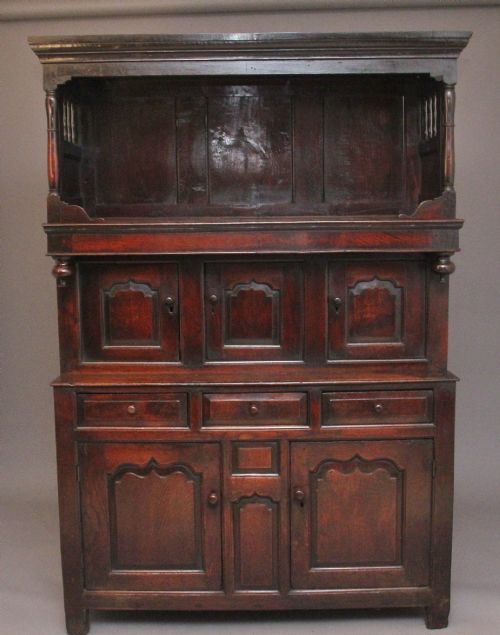
- A large Welsh three-tiered cupboard structure combining enclosed lower sections with upper display tiers. It represents an ambitious development of standard regional vernacular storage.
Georgian Cupboard Base: Frequently Asked Questions
What is a georgian cupboard base used for today?
These robust cabinets function exceptionally well as sideboards in dining rooms or as media consoles in living areas. Their deep cupboards and wide top surfaces offer practical daily utility.
They bring historical character and substantial storage capacity into contemporary homes without requiring the towering height of a full-scale dresser.
How do I tell an 18th-century piece from a 19th-century copy?
Examine the timber shrinkage, interior construction marks, and backboards for hand-cut tool signatures rather than uniform modern machining. Eighteenth-century examples display authentic wear patterns from centuries of domestic service.
Hardware fixings, timber selection, and joint construction methods provide clear physical evidence of the era in which the workshop built the carcass.
Can I place these pieces in a modern kitchen?
Yes, many buyers utilise these durable bases as freestanding kitchen islands or primary storage consoles. Their solid timber construction handles daily interaction easily.
Ensure humidity levels remain stable to protect antique timber surfaces from excessive moisture or extreme temperature shifts near cooking appliances.
Why do some cupboard bases feature painted finishes?
Many country workshops and later households applied paint layers to protect native pine or to update dark timber furniture to suit contemporary domestic fashions. Painted country furniture represents a long-standing vernacular tradition.
Original or early paint layers add significant character and historical depth to pieces originating from English and Welsh country houses.