

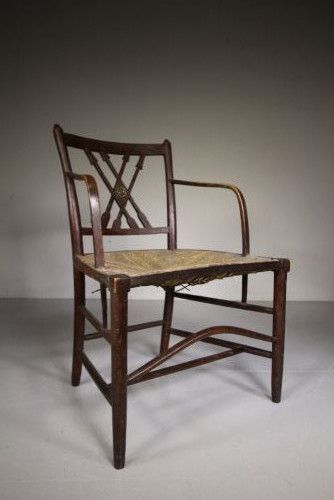
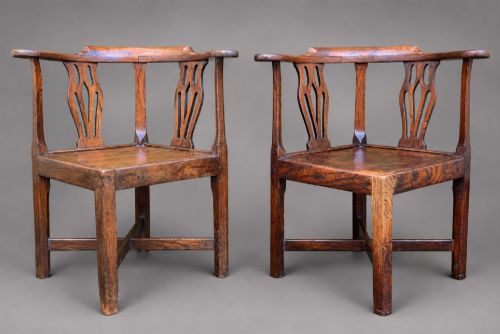
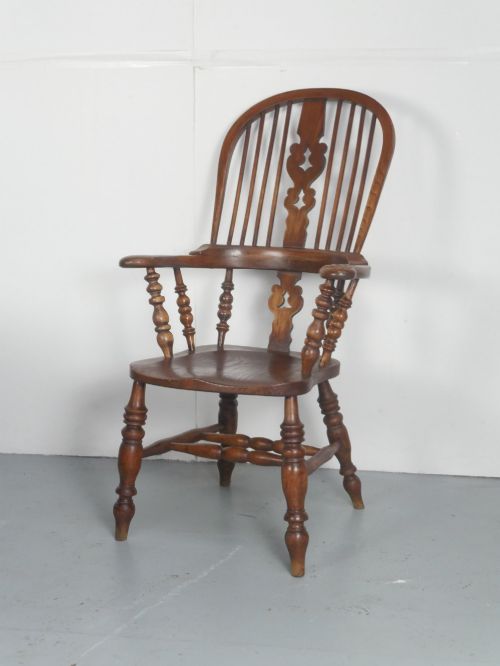
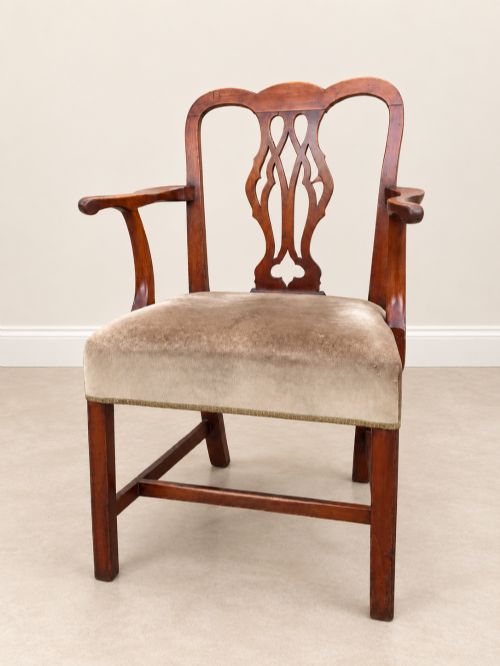
Georgian Country Elbow Chair
A georgian country elbow chair brings solid vernacular character to a room, offering sturdy seating shaped by regional traditions and local timbers.
Georgian Country Elbow Chair
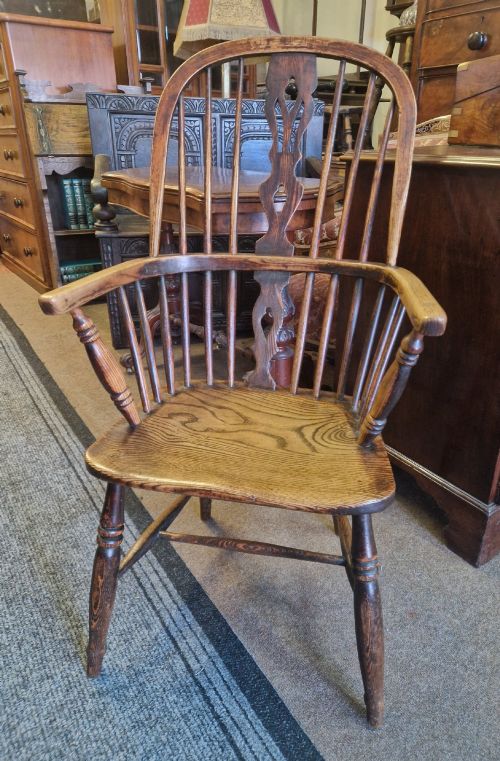
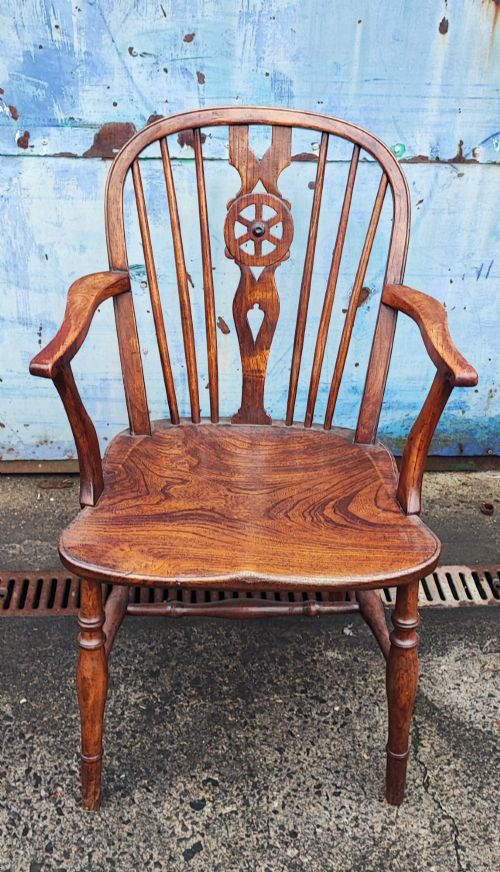
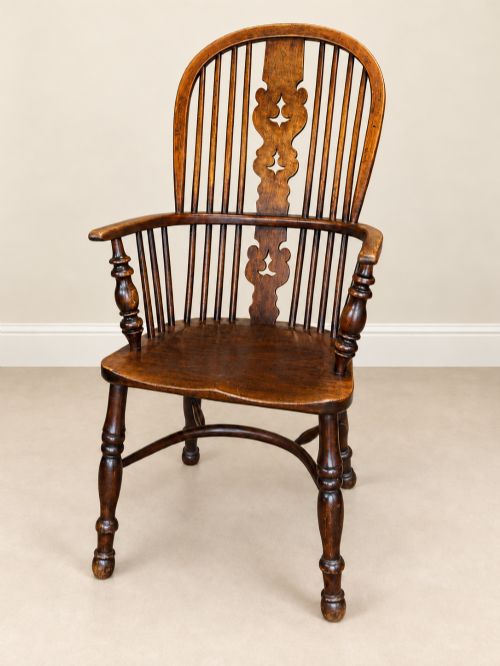
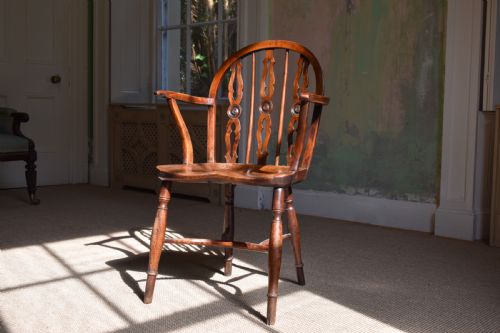
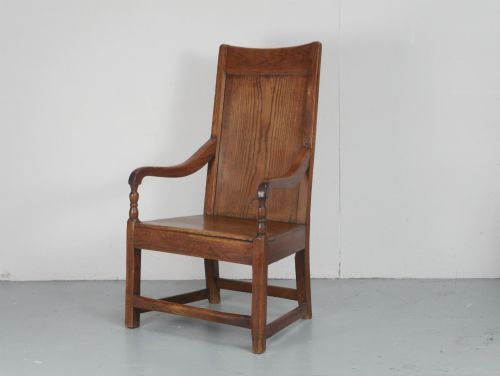
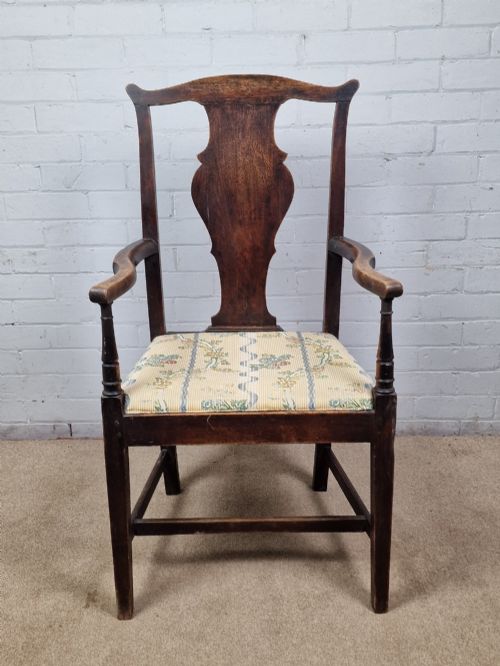
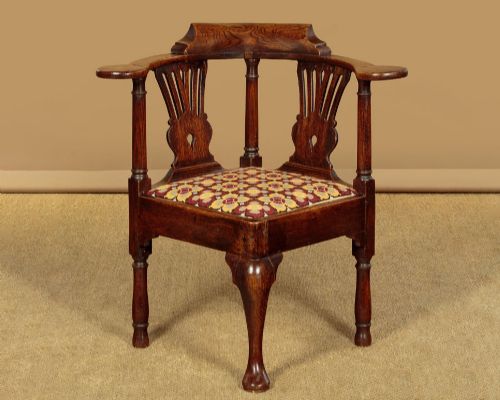
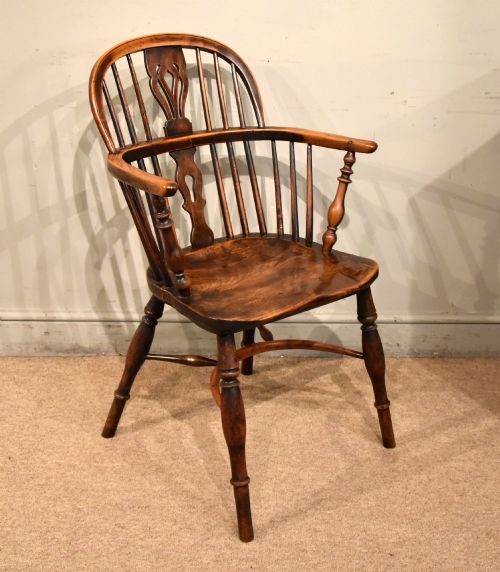
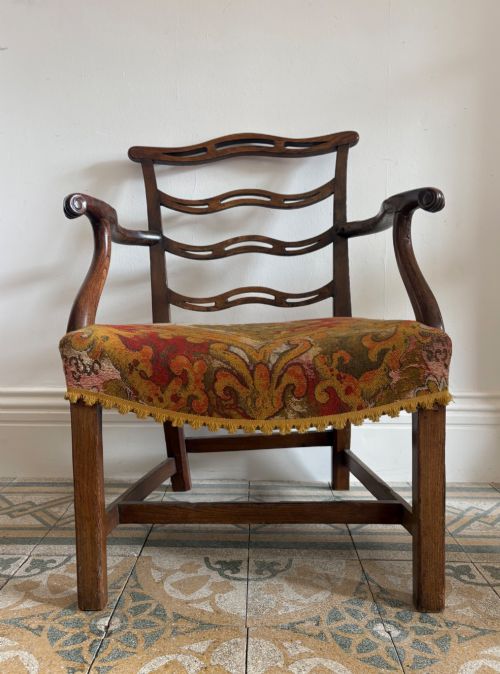
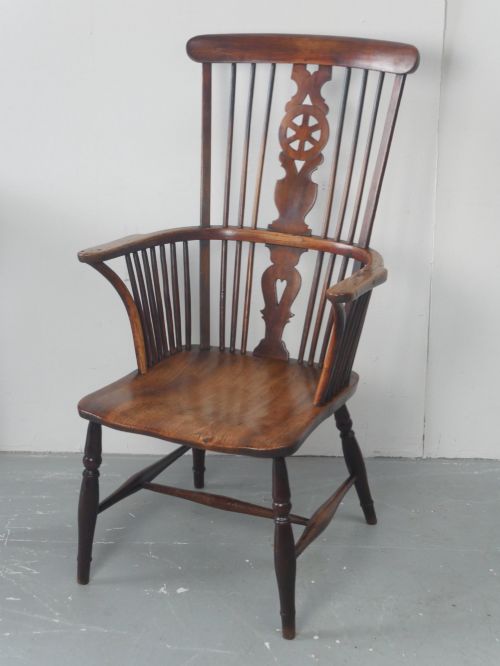
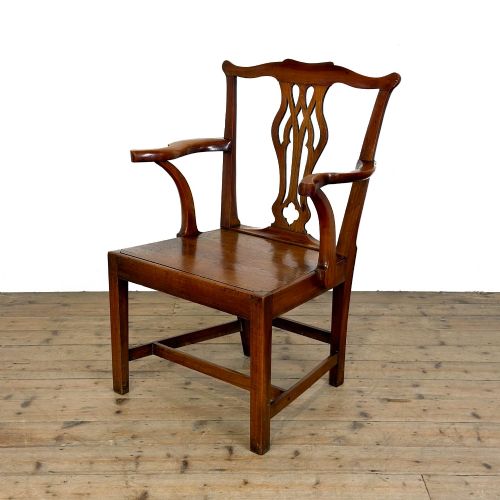
A georgian country elbow chair encompasses robust seating forms originating from the eighteenth and nineteenth centuries, including Windsor, ladderback, and corner armchairs. Buyers searching this phrase look for functional vernacular seating rooted in English country traditions.
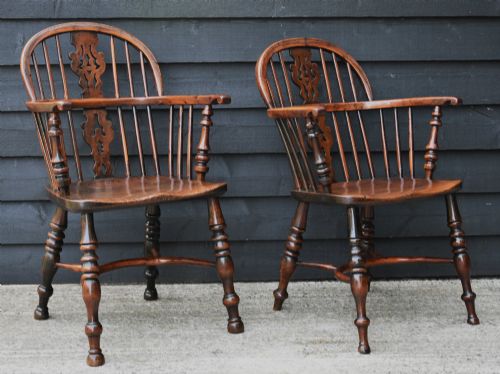
The selections on this page are dominated by Windsor armchairs, alongside ladderback and corner variants. These pieces span periods from the Georgian era through to the nineteenth century and into later revival dates.
Makers working within English country vernacular traditions relied on regional styles, producing distinct regional variations such as high-back, low-back, and comb-back formats intended for everyday domestic utility.
How They Were Made
Construction relies on a combination of native timbers, predominantly pairing elm seats with ash, yew, or fruitwood frames and spindles. Oak, beech, walnut, and mahogany also appear across various styles.
Techniques combine traditional bodger craftsmanship with joinery, utilising turned spindles, bentwood bows, and solid slab seats. Seats are frequently fitted with rush or tapestry inserts to provide comfort.
Georgian Country Elbow Chair Retail Price Guide 2026
Typical asking prices for georgian country elbow chair among the pieces listed under this phrase on Sellingantiques today, from the lower quarter to the upper quarter. They describe what is for sale here now, not the wider market.
Listings show materials including yew, elm, ash, oak, fruitwood, beech, and rush across the eighteenth and nineteenth centuries.
What Varies in Quality
Quality rests in the choice and combination of timbers, where figured yew wood, burr splats, and well-matched elm and ash pairings distinguish superior examples. The integrity of the original construction and retention of surface patination further separate standard items from finer works.
Proportion and execution define the visual success of the chair, from the sweep of the arm bow to the balance of the spindle arrangement. Regional refinements, such as distinct comb-back structures or broad arms, alter the presence of the piece.
Rockley Maker
The Georgian Country Elbow Chair Glossary
- Windsor chair
- A chair built with a solid wooden seat into which the legs and back spindles are raked directly. This form relies on shaped components rather than a conventional joined frame.
- Comb back
- A Windsor chair variation where the top rail resembles the spine of a comb, often featuring an independent headrest supported by vertical spindles. This design provides ergonomic support.
- Carver chair
- An armchair traditionally placed at the head of a dining table or used as a principal seat. The term often overlaps with country elbow chairs in vernacular contexts.
- Vernacular
- An object built by local craftsmen following regional traditions rather than formal academic design patterns. These pieces prioritise practical utility and local materials.
- Rush seat
- A seating surface woven from dried marsh reeds placed over a wooden frame. This technique creates a resilient and flexible platform for domestic seating.
Georgian Country Elbow Chair: Frequently Asked Questions
What is a country elbow chair?
A country elbow chair is a sturdy wooden armchair produced outside metropolitan centres using native timbers like elm, ash, and yew. These pieces served everyday domestic functions in farmhouses and provincial homes.
Built by local joiners and bodgers, they emphasise structural integrity and regional design over formal stylistic trends.
Where were these chairs made?
These chairs were produced across various English regions, with notable output from rural workshops in places like Yorkshire and the Thames Valley. Makers utilised whatever local woods grew abundantly nearby.
Regional preferences dictated whether a chair featured a solid splat, a spindle back, or a comb top.
How should I live with one?
These chairs fit naturally into modern dining spaces, studies, or hallways where their organic timber tones add texture. Their sturdy construction makes them practical for daily seating rather than purely decorative display.
Keep them away from direct heat sources to protect the native hardwoods and rush or timber seats from drying out.