

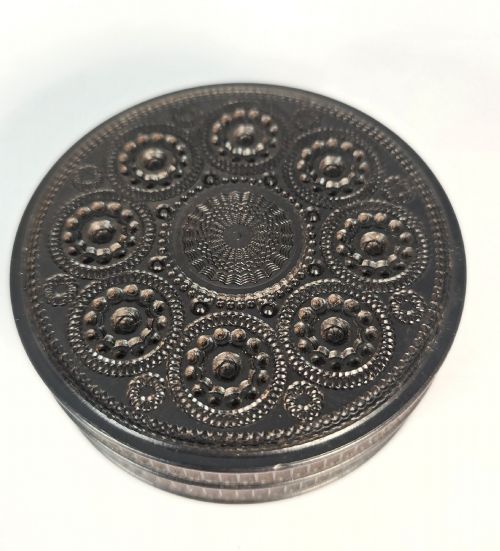


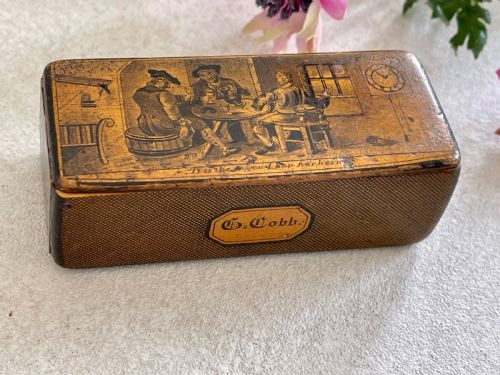


Georgian Collectible Box
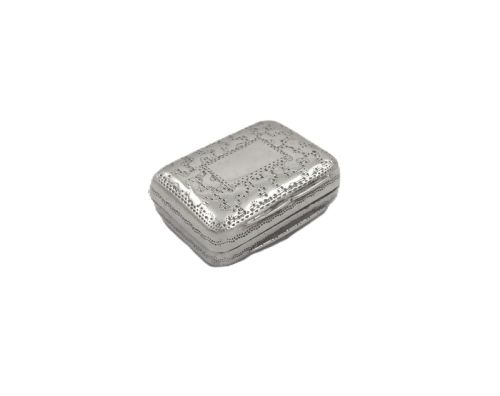
A georgian collectible box offers a small, tactile piece of history, designed to hold snuff, patch, or tobacco.
Georgian Collectible Box
Wooden treen, papier-mâché, silver, and tortoiseshell dominate the forms. Buyers most frequently meet pocket-sized snuff boxes and nutmeg graters alongside desk-sized tea caddies and tobacco boxes from the Georgian, Regency, and Victorian eras.
How they were made
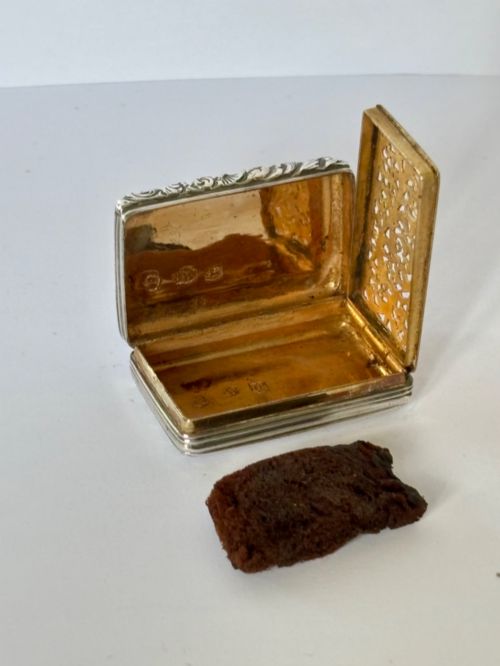
Silver boxes involve silversmithing techniques like engine-turning, embossing, and crisp hallmarks, paired with gilt interiors for vinaigrettes. Metal items also include Bilston enamel and painted tin.
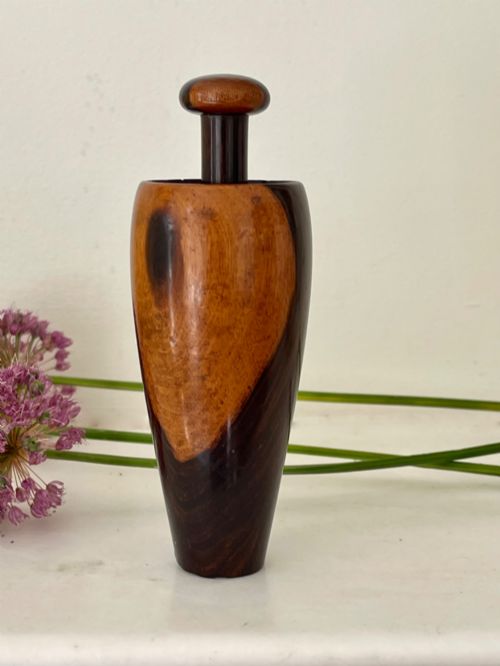
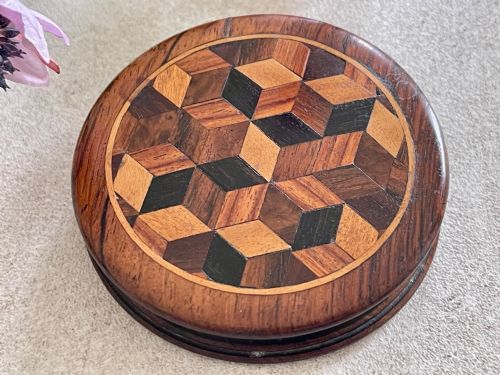
Organic materials such as wood, horn, tortoiseshell, and coquilla nut rely on precise carving, turning on a lathe, and coopered construction. Tunbridge Ware utilises minute wood mosaic work, while straw work and lacquer employ delicate surface decoration.
Georgian Collectible Box Retail Price Guide 2026
Typical asking prices for georgian collectible box among the pieces listed under this phrase on Sellingantiques today, from the lower quarter to the upper quarter. They describe what is for sale here now, not the wider market.
Listings feature containers spanning the eighteenth, nineteenth, and early twentieth centuries, made from sterling silver, brass, tortoiseshell, and various timbers.
What varies in quality
The standard of a box rests upon the crispness of its carving, the tightness of its lid closure, and the delicacy of any applied decoration or metalwork. Master smiths and turners achieved sharp, legible crests, smooth engine-turning, and hinges that operate without play.
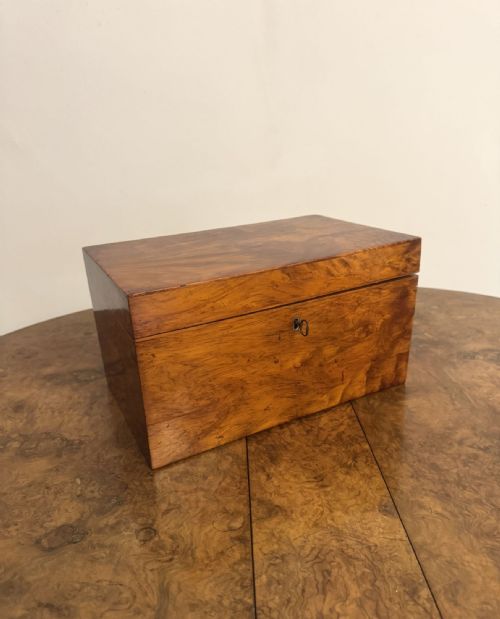
Material selection divides the ordinary from the exceptional, as seen in figured burr walnut, high-carat gold piqué work on tortoiseshell, or heavy gauge silver. Finer examples retain their original interior gilding, lining, or working mechanical parts without modern replacement.
G Cobb·E Cornock·James Phipps I·Reily And Storer·Stobwasser
The Georgian Collectible Box Glossary
- Vinaigrette
- A small metal box containing a pierced internal grille, designed to hold a sponge soaked in aromatic vinegar. These pieces date principally to the Georgian and Regency periods.
- Treen
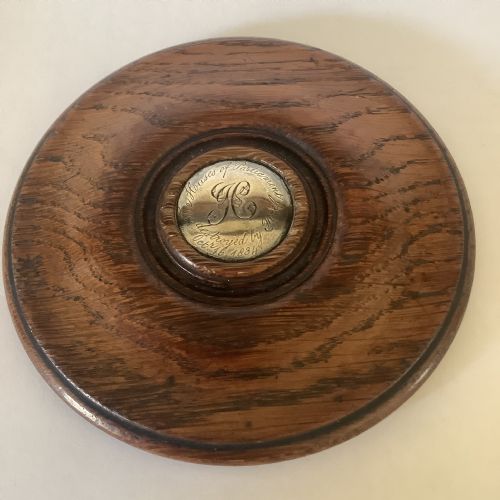
- Small domestic wooden objects made by turning, carving, or cooperating. This category encompasses items from snuff mortars to miniature barrels.
- Coquilla nut
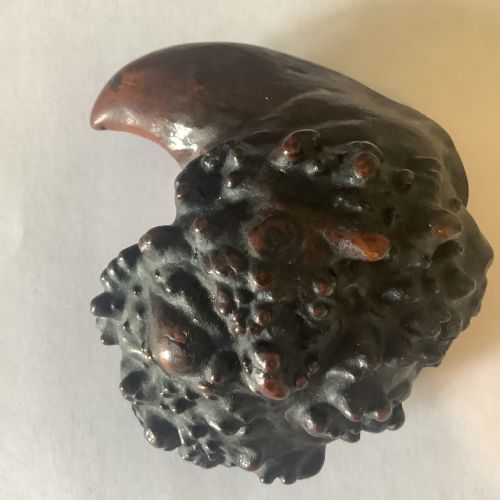
- The hard, mottled brown seed of a South American palm tree, frequently carved into intricate snuff boxes in the nineteenth century. Its dense grain takes fine detail.
- Tunbridge Ware
- Woodware decorated with mosaics of many naturally coloured woods to form geometric or pictorial surface patterns. Originating in Kent, these pieces include stacking pots and boxes.
- Snuff mull
- A pocket container for dry snuff, traditionally fashioned from animal horn mounted with silver. Scottish examples often feature polished horn and thistle motifs.
Georgian Collectible Box: Frequently Asked Questions
What were small silver boxes used for?
These small containers held powdered tobacco known as snuff, which was consumed by inhaling it through the nose. Vinaigrettes held sponges soaked in scented vinegar to combat unpleasant odours in public spaces.
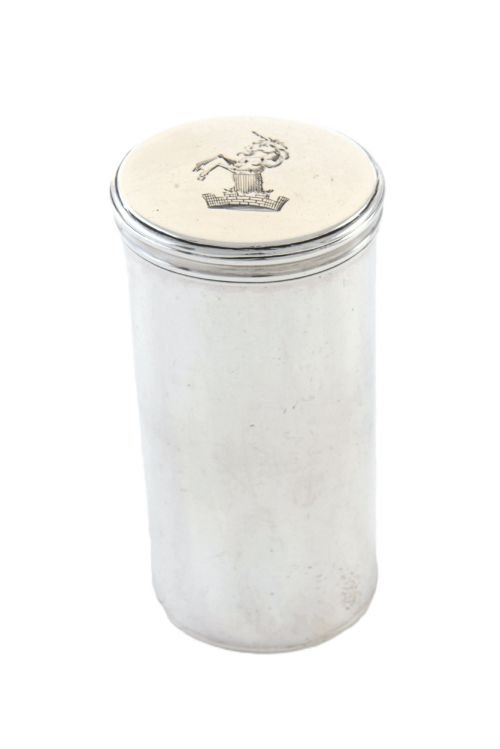
Tobacconists also supplied loose leaf tobacco in larger boxes fitted with secure lids and engraved crests. Wealthy owners carried them as fashionable accessories that displayed social standing.
How do I tell a Georgian box from a Victorian one?
Georgian pieces often display neoclassical motifs, restrained silver engraving, and lighter proportions reflecting eighteenth-century design tastes. Cabinetmakers and silversmiths utilised sterling silver hallmarks and native timbers like mahogany and yew.
Victorian boxes introduce heavier carving, exotic materials such as coquilla nut, and more varied revival styles. Machine-assisted techniques like engine-turning became widespread during the nineteenth century.
How should I clean an antique tortoiseshell box?
Antique tortoiseshell requires gentle care using a dry or barely damp microfibre cloth to remove dust. Moisture must be kept away from metal hinges and inner linings to prevent corrosion.
Harsh chemical polishes and abrasive cleaners damage the natural organic protein structure of shell. Store these pieces away from direct sunlight and extreme temperature fluctuations.