



Georgian Chinoiserie Desk
A georgian chinoiserie desk brings hand-painted lacquer and fantastical orientalist scenes into domestic workspaces.
Georgian Chinoiserie Desk
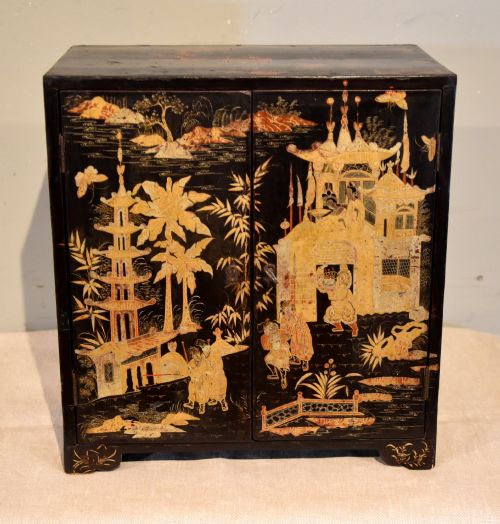
A georgian chinoiserie desk encompasses writing furniture decorated with orientalist motifs, includingbureaux and writing tables originating from the Georgian period through to the nineteenth century. These objects bridge utilitarian function and decorative art, featuring ornamental schemes applied to solid timber foundations.
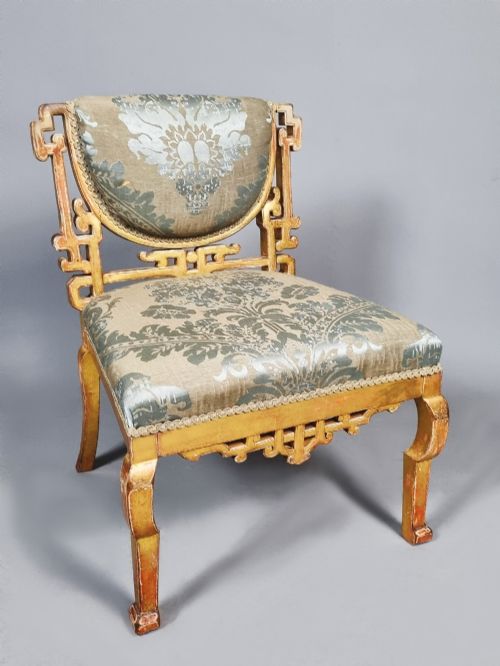
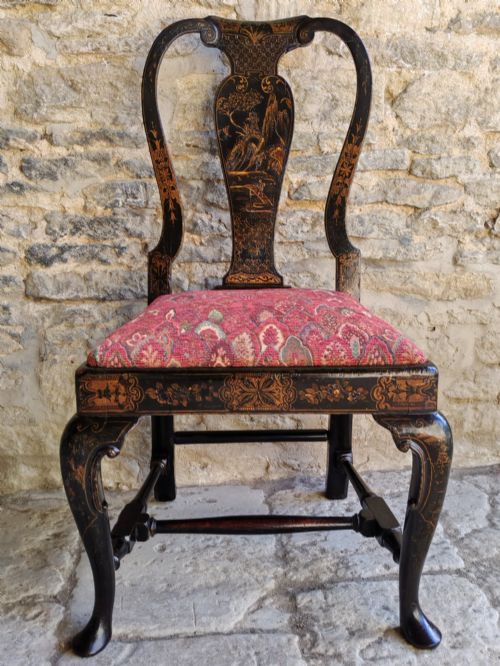
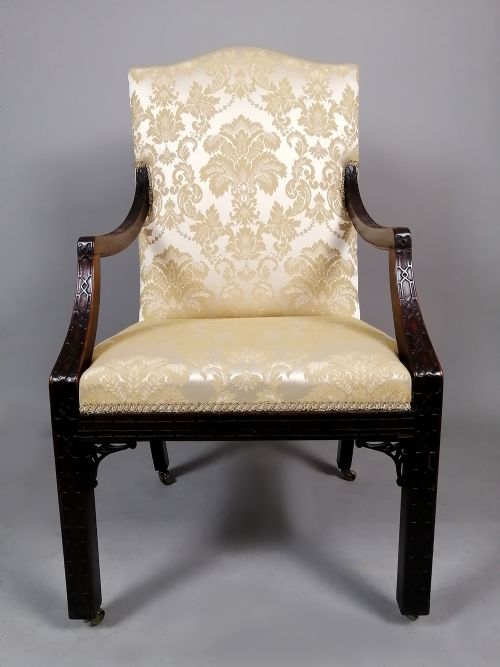
Buyers encountering this page will most frequently meet bureaux and writing tables finished in lacquer and painted wood. Alongside these primary forms, the selection incorporates related seating and case pieces reflecting the Chinese Chippendale and Regency Chinoiserie styles.
The objects span periods from the eighteenth century into the Edwardian era, showing how later makers reinterpreted earlier aesthetics. These pieces served as functional writing furniture while displaying fashionable taste through decorative painting and applied gilt.
How they were made
Construction relies on timber foundations such as mahogany and painted wood, providing sturdy carcasses for writing furniture and seating. Artisans shaped these woods into bureaux, tables, and chairs using traditional cabinetmaking joints appropriate to each period.
Surfaces receive decorative treatments including lacquer, gold leaf, and gilt, which build up the complex visual layers characteristic of chinoiserie. Painters applied intricate motifs by hand, creating the pictorial scenes that define the aesthetic of these desks and associated furnishings.
Georgian Chinoiserie Desk Retail Price Guide 2026
Typical asking prices for georgian chinoiserie desk among the pieces listed under this phrase on Sellingantiques today, from the lower quarter to the upper quarter. They describe what is for sale here now, not the wider market.
A painted faux bamboo table sits alongside traditional mahogany, proving that historical makers enjoyed botanical impersonation just as much as we do.
What varies in quality
The refinement of the painted and lacquered surface decoration distinguishes finer examples from simpler production. Superior pieces display intricate hand-applied detail in gold leaf and gilt, whereas lesser versions rely on heavier, less nuanced brushwork.
The structural integrity of the timber carcass and the proportional balance of the form dictate overall merit. Masterful cabinetmaking in the mahogany framework supports the longevity and visual harmony of the piece.
Waugh & Son
The Georgian Chinoiserie Desk Glossary
- Chinoiserie
- European decorative style reflecting Chinese artistic influences through painted scenes and lacquered surfaces. This aesthetic appears across bureaux, writing tables, and chairs.
- Lacquer
- Protective and decorative coating applied to wooden furniture surfaces. It provides the smooth, glossy base required for detailed pictorial designs.
- Chinese Chippendale
- Eighteenth-century style combining rococo framework with fretwork and oriental motifs. This aesthetic is frequently seen on chairs and writing furniture.
- Bureau
- Sloping-front writing cabinet enclosing compartments and drawers for correspondence. These pieces form a core component of antique workspace furniture.
- Giltwood
- Timber carved and surfaced with thin gold leaf or gilt powder. It highlights structural details on mirrors and chairs.
Georgian Chinoiserie Desk: Frequently Asked Questions
What is a chinoiserie desk?
A chinoiserie desk is a writing surface decorated with European interpretations of Chinese art, typically featuring lacquered finishes and painted motifs.
These pieces combine practical workspace utility with elaborate ornamentation developed across the eighteenth and nineteenth centuries.
How were lacquer desks made?
Craftsmen built timber carcasses from materials like mahogany or painted wood, then applied successive layers of lacquer and gold leaf.
Artisans painted intricate orientalist scenes onto these prepared surfaces by hand to create the signature finish.
How do I date a piece?
Dating relies on examining the underlying timber construction, cabinetmaking techniques, and the specific style of the painted decoration.
Comparing structural details against documented pieces from the Georgian, Regency, and later periods helps establish the likely era of manufacture.
Where were they used?
These desks were placed in private libraries, drawing rooms, and principal chambers of grand houses for correspondence and administrative tasks.
Their decorative surfaces ensured they functioned as display pieces as well as practical writing furniture.