

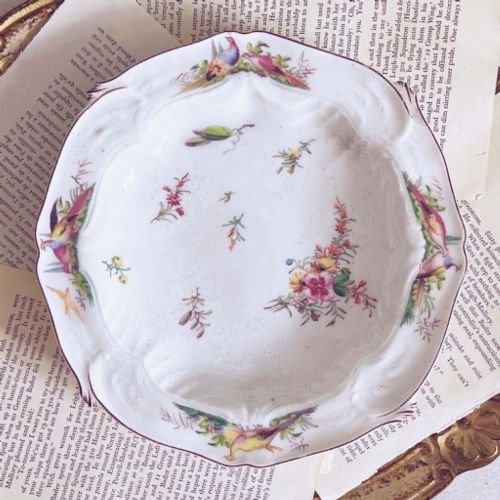
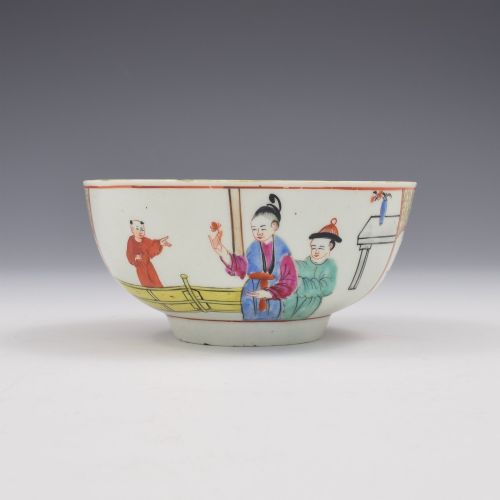
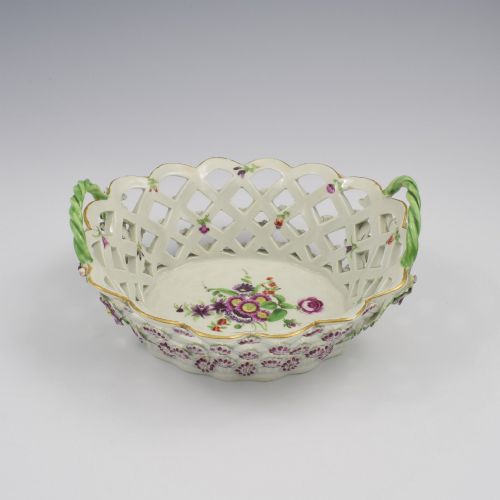
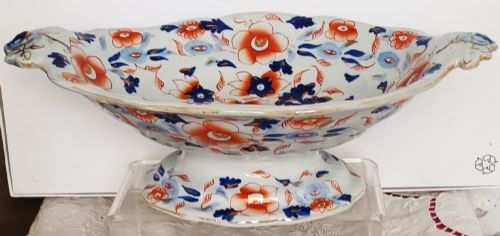

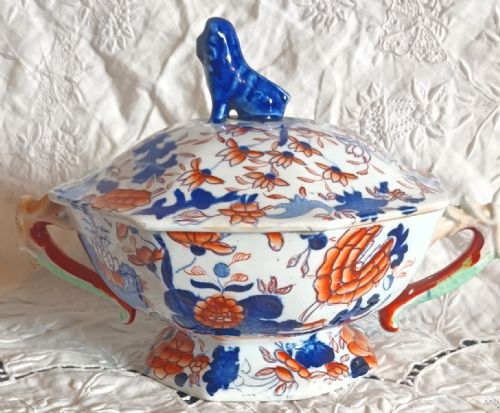
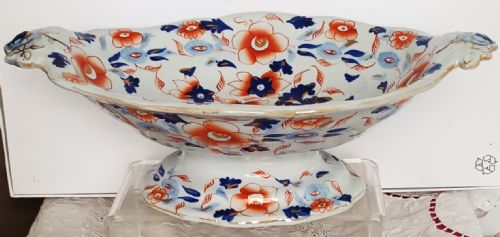

Georgian China Bowl
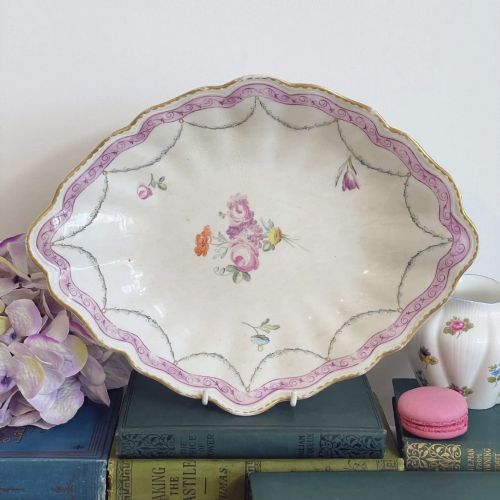
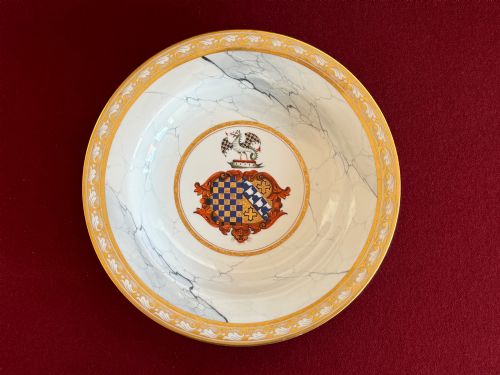
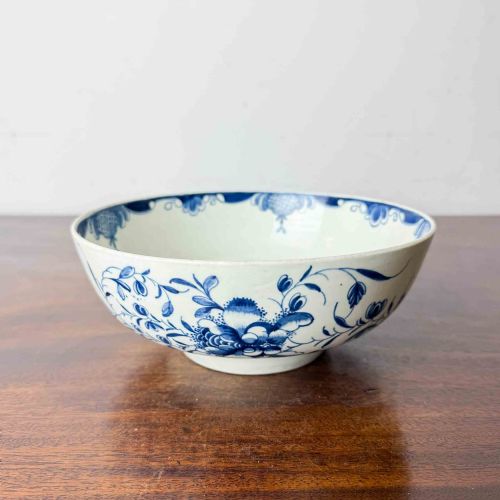
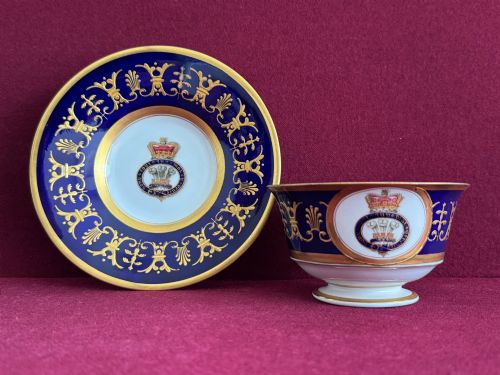
A georgian china bowl brings the handpainted hand of the eighteenth and early nineteenth centuries directly to the table.
Georgian China Bowl
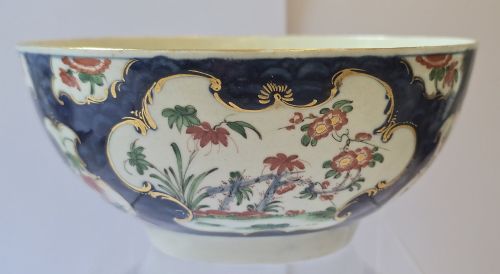
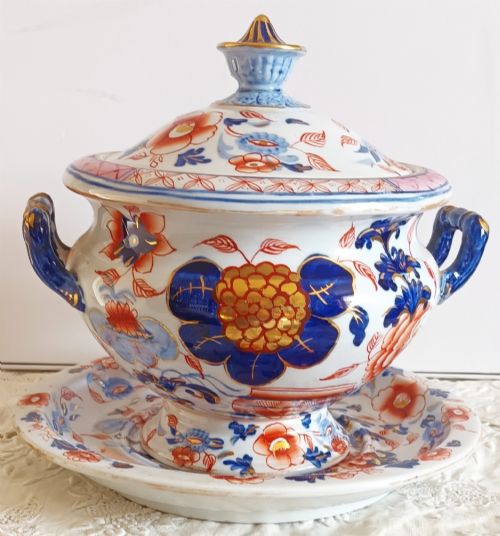
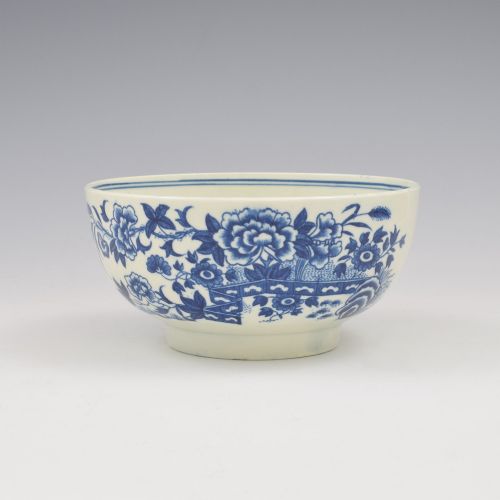
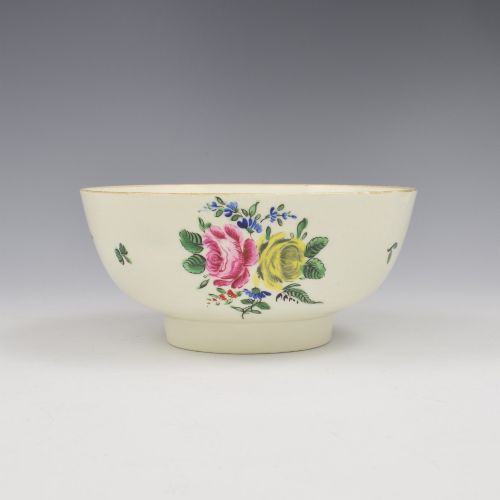
A georgian china bowl encompasses domestic vessels intended for tea service, table service, and display, originating from periods spanning the eighteenth and nineteenth centuries. These pieces emerge in forms such as slop bowls, sugar bowls, and decorative bowls, carrying the aesthetic weight of Georgian and Regency design.
The varieties on this page span British factories alongside Chinese export pieces, reflecting the international taste of the era. Makers from Worcester, Derby, Chelsea, and Mason's dominate the offerings, presented alongside earthenware and ironstone bodies decorated in handpainted enamels or transfer printing.
Materials and production methods
Makers utilised soft-paste porcelain, hard-paste porcelain, ceramic, and ironstone, shaping vessels on the wheel or pressing them into moulds. These bodies received smooth glazes designed to accept intricate overglaze enamels, underglaze cobalt blue, and gold leaf detailing.
Firing took place in traditional kilns where pieces were often stacked using spurs, leaving characteristic marks on the unglazed foot rings. Decoration involved skilled handpainting of botanical, landscape, and Chinoiserie motifs, sometimes augmented by specialised independent studio painting.
Georgian China Bowl Retail Price Guide 2026
Typical asking prices for georgian china bowl among the pieces listed under this phrase on Sellingantiques today, from the lower quarter to the upper quarter. They describe what is for sale here now, not the wider market.
Some bowls feature cheeky green grasshoppers painted inside, ready to leap straight off the porcelain and onto the breakfast table.
Assessing quality and execution
Quality rests upon the crispness of the moulding, the stability of the glaze, and the precision of the handpainting. Finer pieces demonstrate careful brushwork in polychrome enamels and well-aligned gilding, whereas standard examples rely on simpler transfer printing.
The composition of the clay body and the success of the kiln firing also dictate the standing of a vessel, distinguishing translucent porcelain bodies from heavier ironstone and earthenware productions.
Dr Wall Worcester·Barr And Barr·Flight And Barr·Mason·Spode·Coalport·Chelsea·Derby·J And R Clews·Lowestoft·Meissen
The Georgian China Bowl Glossary
- Slop bowl
- A larger vessel used during tea service to hold tea dregs and spent leaves. It forms a central component of traditional porcelain tea sets.
- Ironstone
- A durable ceramic body patented in the nineteenth century to imitate Chinese porcelain. It resists chipping and accepts dense transfer-printed and enamelled decoration.
- Soft-paste porcelain
- An artificial ceramic compound containing glass frits and white clays, fired at lower temperatures than true porcelain. It yields a warm, creamy body with a soft glaze.
- Chinoiserie
- European artistic interpretations of Chinese and East Asian decorative motifs. These designs feature fanciful figures, pagodas, and exotic foliage.
- Blue scale
- A patterned underglaze blue ground applied to porcelain surfaces in overlapping fishscale shapes, often framing polychrome floral panels.
Georgian China Bowl: Frequently Asked Questions
What was a slop bowl used for?
A slop bowl sat in the centre of the tea table to receive the dregs from cups before pouring a fresh brew. It also held used tea leaves during the service.
Over time, these bowls became decorative display items as tea-drinking rituals evolved in British households.
How do I distinguish ironstone from porcelain?
Ironstone is a heavy, opaque ceramic body designed for daily durability, whereas porcelain is thinner and often exhibits translucency when held to the light.
Porcelain rings with a clear note when tapped gently, while ironstone produces a more muted sound due to its dense composition.
What defines First Period Worcester?
First Period Worcester refers to porcelain produced at the Worcester factory under the management of Dr John Wall between the years 1751 and 1783. These pieces are celebrated for fine soft-paste bodies and vibrant underglaze blue painting.
Collectors often look for specific crescent or square fret marks stamped or painted on the unglazed bases to confirm the era.
How should I care for antique china?
Antique china bowls require gentle hand washing in lukewarm water with mild soap, avoiding modern dishwashers entirely. Sudden temperature changes will crack aged glazes and fragile soft-paste bodies.
Display surfaces should remain stable and padded to protect foot rims from abrasion over years of handling.