
Georgian Chairs
Georgian chairs bring lasting elegance to a room, offering robust seating designed for dining, lounging, and writing.
Georgian Chairs
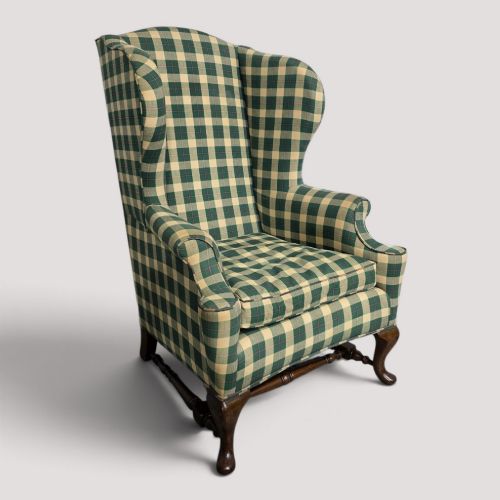
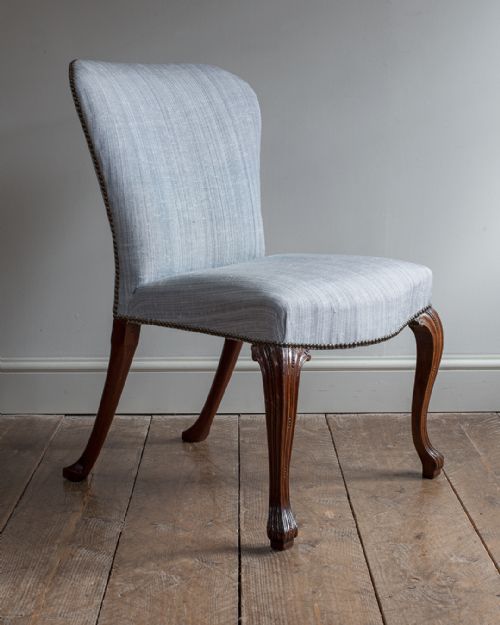
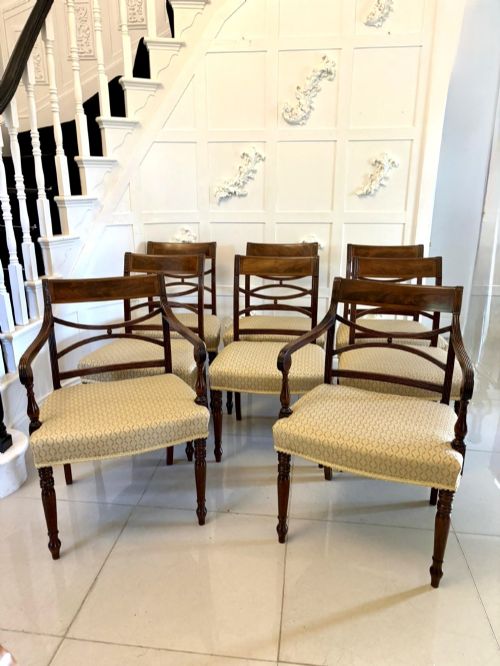
When you search for georgian chairs, you encounter dining chairs, armchairs, side chairs, and hall chairs spanning the eighteenth and nineteenth centuries. The majority of pieces met on this page date from the Georgian period itself, alongside later revivals from the twentieth century.
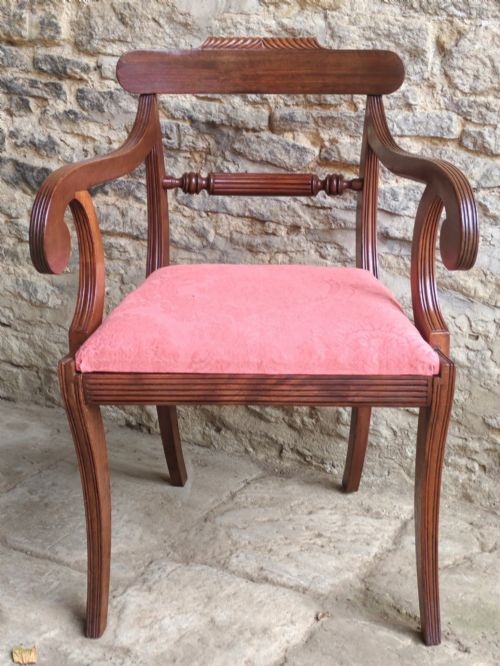
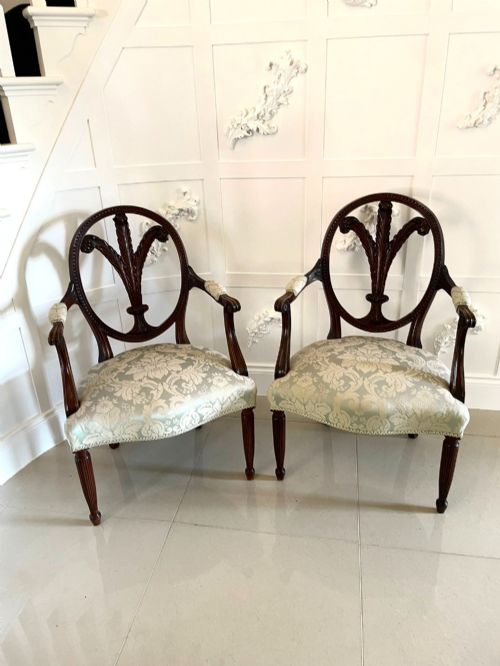
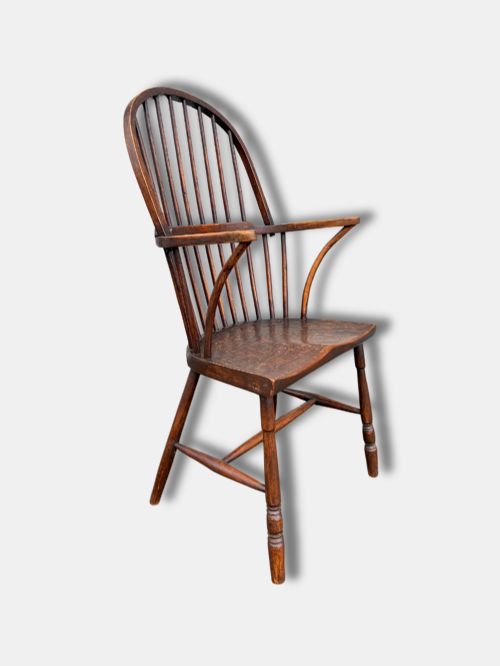
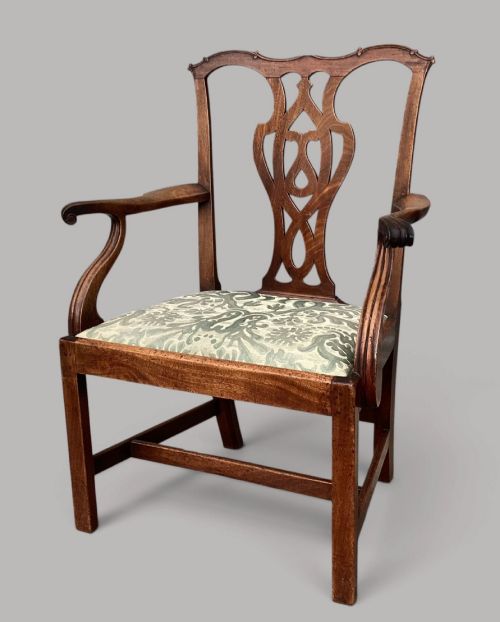
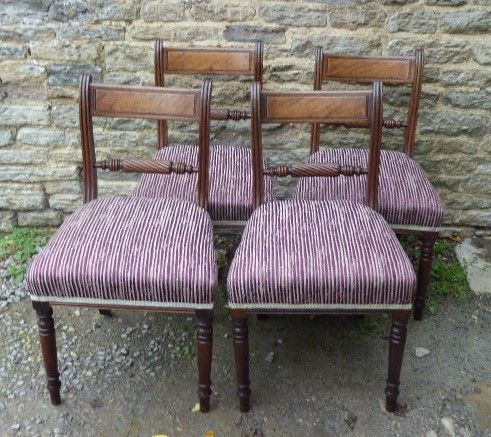
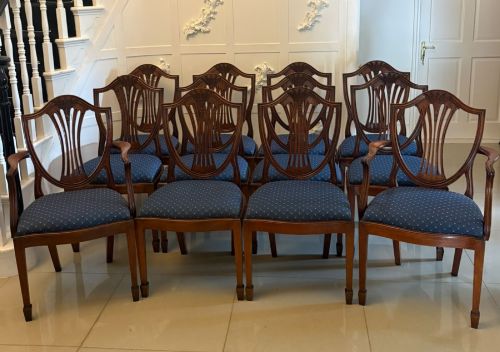
Forms range from simple ladder-backed oak seating to elaborate mahogany armchairs and shield-back dining sets. Regional variants such as Thames Valley Windsor chairs and Irish hall chairs appear alongside standard English dining formats.
Materials and construction
Makers relied heavily on mahogany, oak, yew, and elm, building frames to endure daily domestic use. Solid timbers were shaped and joined using traditional carpentry methods appropriate to each form.
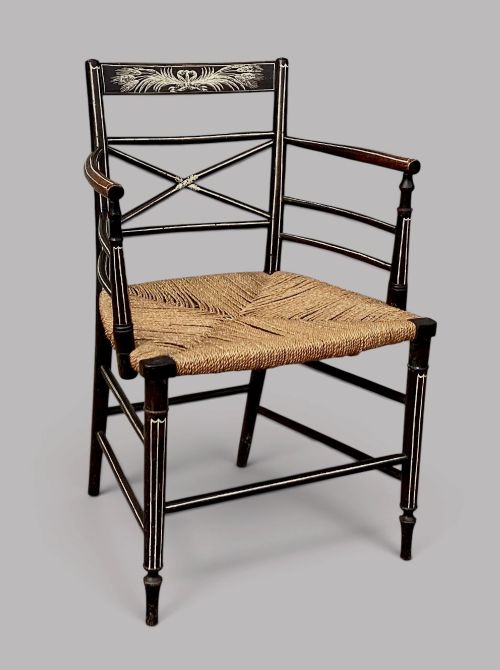
Surface treatments include polished wood finishes, painted decoration, and upholstered elements using fabric, leather, and brass detailing.
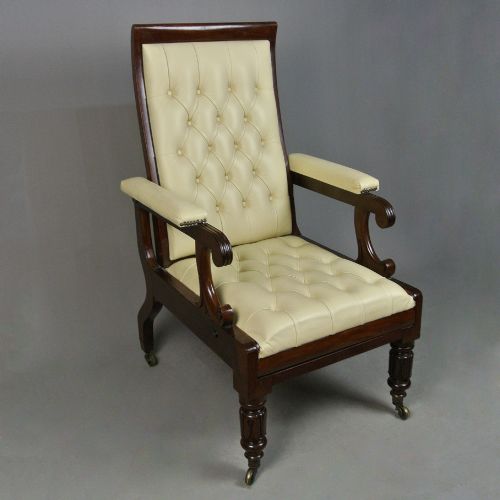
A Daws patent reclining chair from the nineteenth century proves that eighteenth- and nineteenth-century sitters valued lazy Sundays just as much as we do.
Distinguishing quality
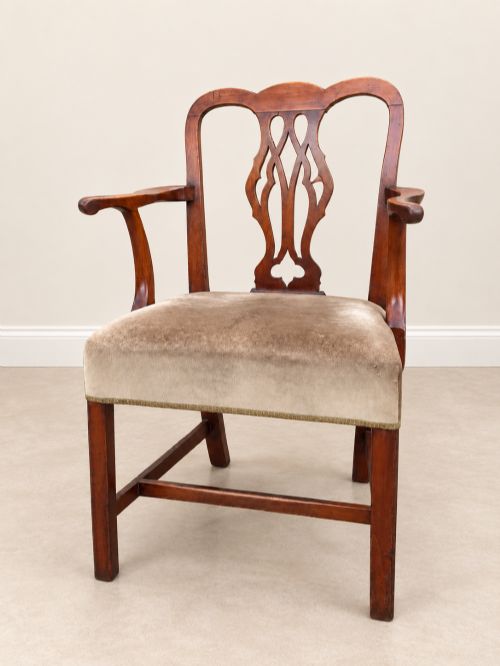
The degree of refinement in carved details and the choice of timber grain dictate the distinction between standard utilitarian seating and high-status examples. Finer pieces demonstrate precise joinery and sophisticated proportion.
Originality of surface finish and the integrity of the structural frame separate well-preserved historical examples from heavily restored counterparts.
The Georgian Chairs Glossary
- Carver
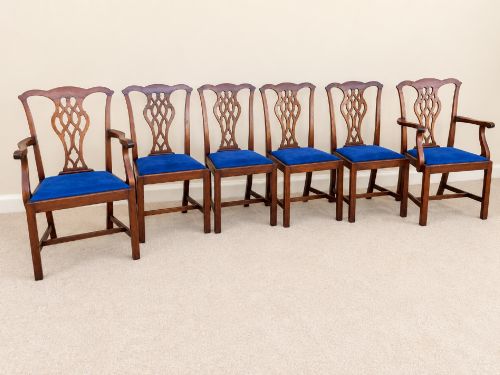
- An armchair designed to match a set of dining chairs, typically placed at the head of a table.
- Shield back
- A chair back shaped like a shield, popular in late eighteenth-century dining chair design.
- Scabello
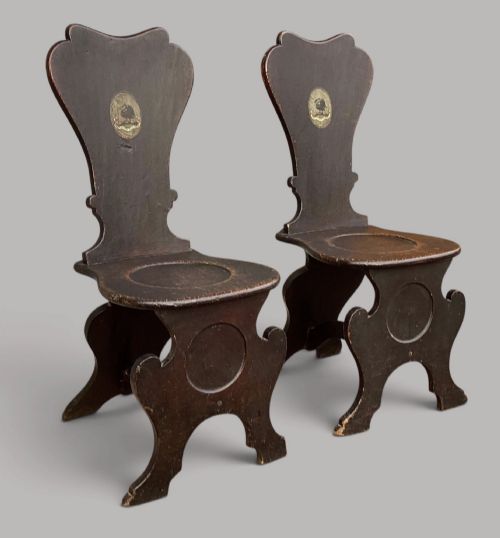
- A type of hall chair featuring a solid wooden seat and an ornamental back panel, often painted with armorials.
- Windsor
- A traditional wooden chair featuring turned spindles inserted into a solid saddle seat.
Georgian Chairs: Frequently Asked Questions
How do I care for antique wooden chairs?
Keep wooden chairs away from direct heat sources and sudden humidity changes to prevent timber splitting.
Apply a suitable wax polish periodically to nourish the surface and maintain the natural lustre of the mahogany or oak.
Can I use these chairs for daily dining?
Many dining chairs from this era remain structurally sound for regular daily use around a modern table.
Check the joints carefully to ensure stability before subjecting older frames to heavy daily seating.
What is the difference between a side chair and an armchair?
Side chairs are built without armrests, allowing them to tuck neatly beneath dining tables or line a hallway wall.
Armchairs feature structural elbow supports, offering greater comfort for use as desk chairs or occasional seating.