



Georgian Ceramic Tray
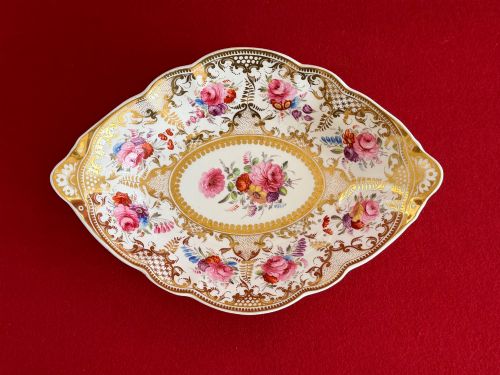
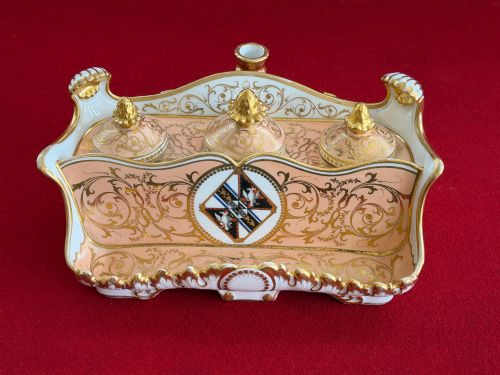
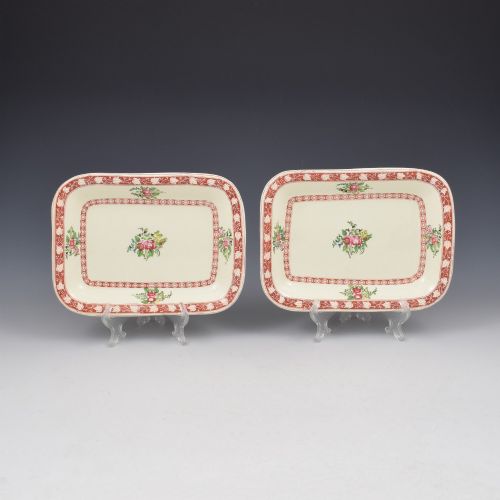
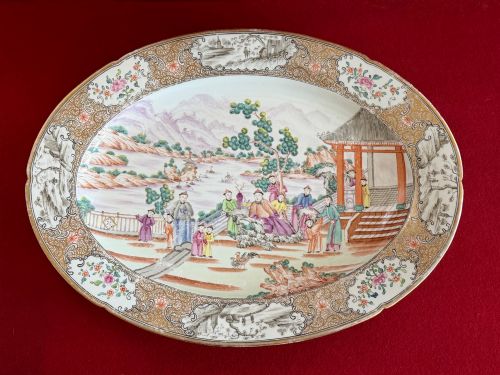
A georgian ceramic tray brings remarkable table tradition home through handpainted porcelain and transfer-printed earthenware.
Georgian Ceramic Tray
A georgian ceramic tray encompasses serving platters, pickle dishes, teapot stands and decorative trays originating across the eighteenth and nineteenth centuries.
Buyers most frequently encounter blue and white transfer-printed pottery platters and porcelain dishes from the Georgian, Regency and early Victorian periods.
These functional pieces served dining tables as meat platters, bread stands, sauce tureen stands and specialised spoon trays.
Materials and Technique
Potters utilised earthenware, pearlware, ironstone and porcelain body pastes formed into shaped trays, baskets and flat dishes.
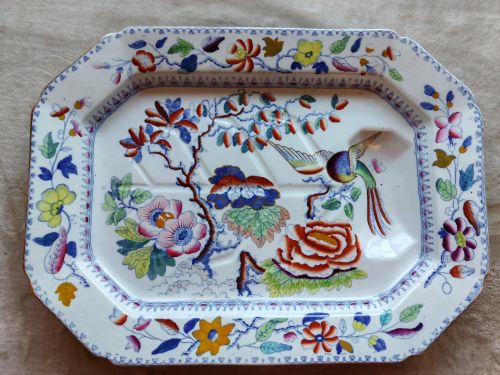
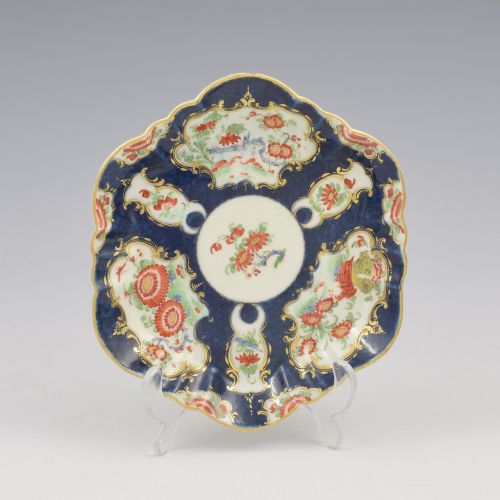
Makers applied cobalt pigment underglaze transfers alongside handpainted polychrome enamels, sometimes finished with gold leaf highlights and clear glaze.
Georgian Ceramic Tray Retail Price Guide 2026
Typical asking prices for georgian ceramic tray among the pieces listed under this phrase on Sellingantiques today, from the lower quarter to the upper quarter. They describe what is for sale here now, not the wider market.
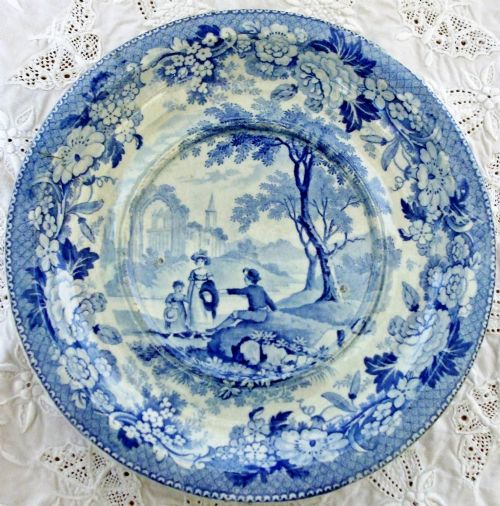
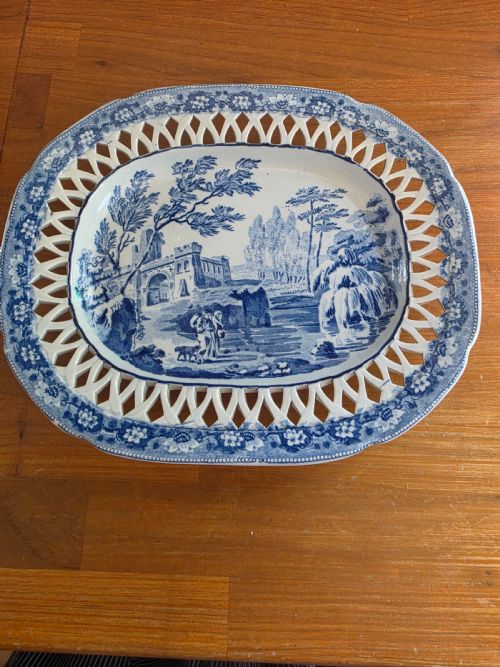
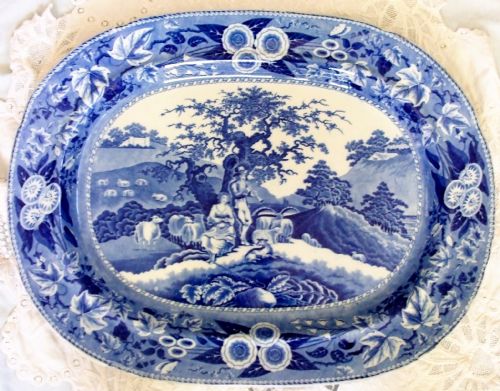
Squirrels and piping shepherds hide among the classical ruins and willow trees on these transfer-printed platters.
Judging Quality
The clarity and depth of the blue and white transfer printing separate standard production from sharper, cleaner pictorial impressions.
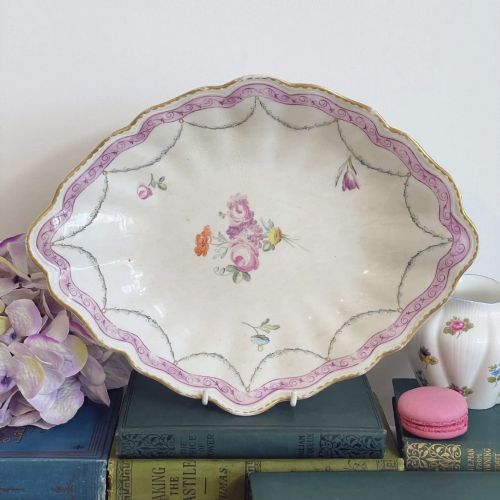
Handpainted polychrome floral detailing and crisp porcelain body moulding demonstrate the superior skill of the factory artists and potters.
Masons Ironstone·Caughley Porcelain·Derby·Davenport·Spode·Don Pottery·Thomas Lakin·John Rogers and Son·J and R Clews·Elkin Knight and Bridgwood
The Georgian Ceramic Tray Glossary
- Pearlware
- A refined earthenware developed in the late eighteenth century featuring a subtle bluish glaze that pooled in crevices. It bridged the gap between creamware and true porcelain.
- Ironstone
- A dense, durable type of earthenware patented in the early nineteenth century. It resists chipping and provided a sturdy surface for heavy meat platters.
- Transfer printing
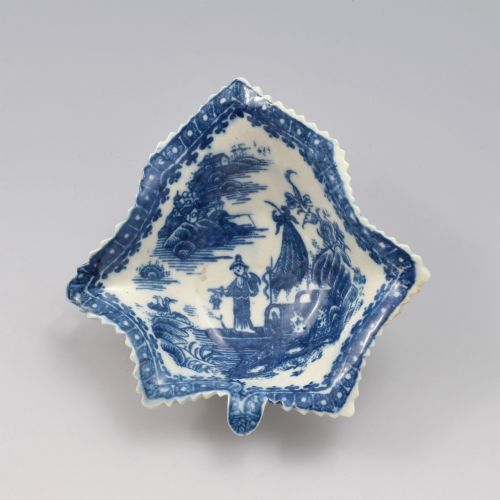
- A decoration technique where an engraved copper plate transferred a design onto tissue paper, which was then pressed onto the ceramic body before glazing. This allowed intricate pictorial scenes like Chinoiserie and romantic ruins to be produced consistently.
- Pickle dish
- A small, often leaf or shell-shaped serving dish used on the dining table for pickles and relishes. They showcase the ornamental moulding favored by eighteenth-century ceramic factories.
Georgian Ceramic Tray: Frequently Asked Questions
What were georgian ceramic trays used for?
These ceramic pieces functioned primarily on the dining table for serving meats, holding teapots, or presenting condiments and pickles. Households utilised them during formal meals and tea services to protect fine wooden furniture and display wealth.
Over time, many larger platters transitioned from active dining service into decorative display pieces due to their intricate landscape and architectural transfer prints.
How do I identify a georgian ceramic tray?
Identification relies on examining the ceramic body, glaze characteristics, and decorative patterns such as blue and white Chinoiserie or romantic ruins. Factory marks on the underside often provide specific clues to dating and origin.
Period characteristics include pearlware bodies with bluish glaze pooling, ironstone weight, and eighteenth-century porcelain translucency.
Are these trays safe for daily use?
While durable, these antique pieces often exhibit historical crazing, manufacturing flaws, and glaze wear accumulated over centuries. Collectors typically preserve them as display items rather than utilising them for modern dining.
Gentle hand washing protects the delicate ironstone, earthenware, and porcelain surfaces from modern detergent damage.
What is transfer printing on ceramics?
Transfer printing involved pulling an inked impression from an engraved copper plate onto tissue paper and pressing it onto the unglazed or biscuit ceramic. This technique revolutionized pottery production by enabling detailed pictorial scenes to be replicated rapidly.
Scenes ranged from Chinese export motifs to classical English landscape ruins.