



Georgian Ceramic Serving Platter
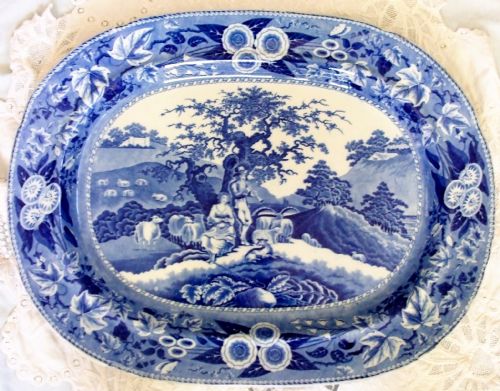
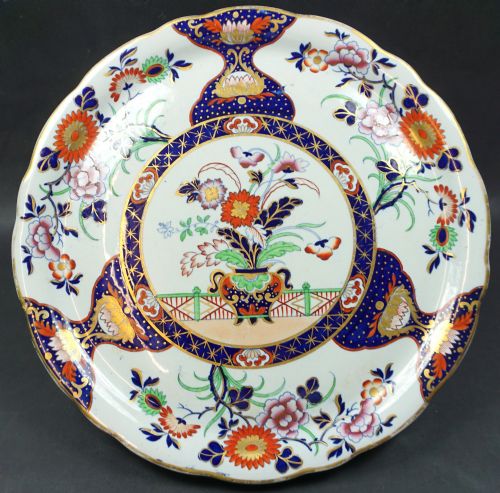
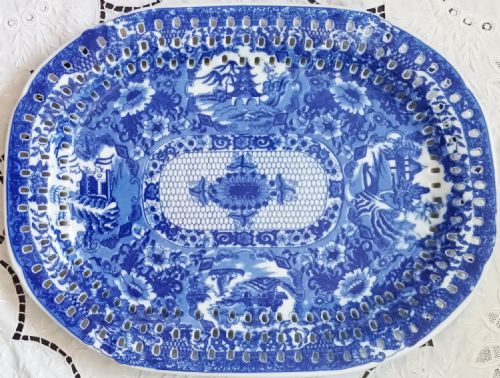
A georgian ceramic serving platter brings substantial presence to the table through generous proportions and hand-painted or transfer-printed decoration.
Georgian Ceramic Serving Platter
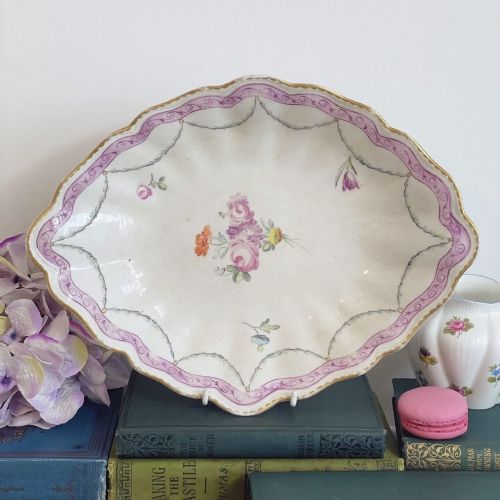
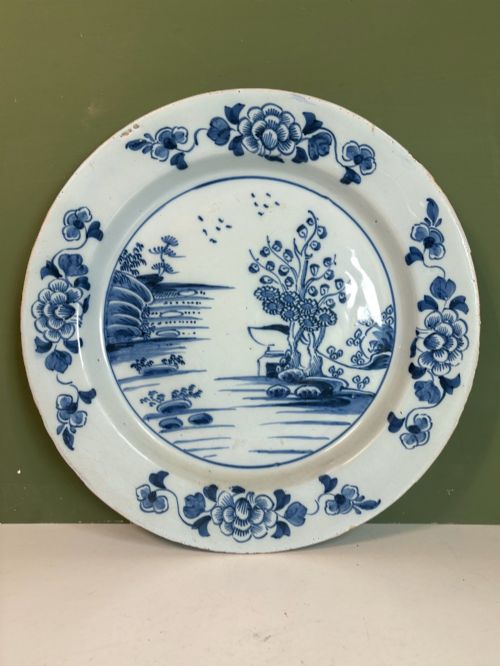
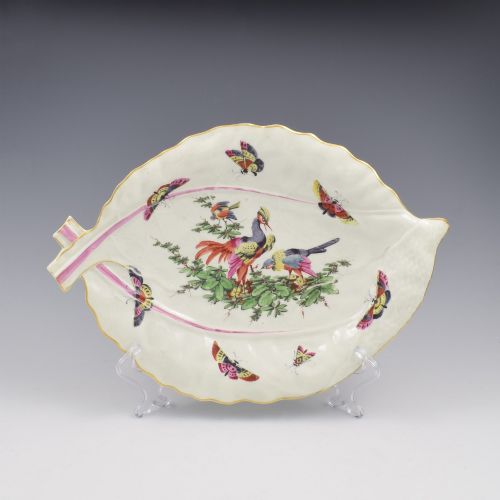
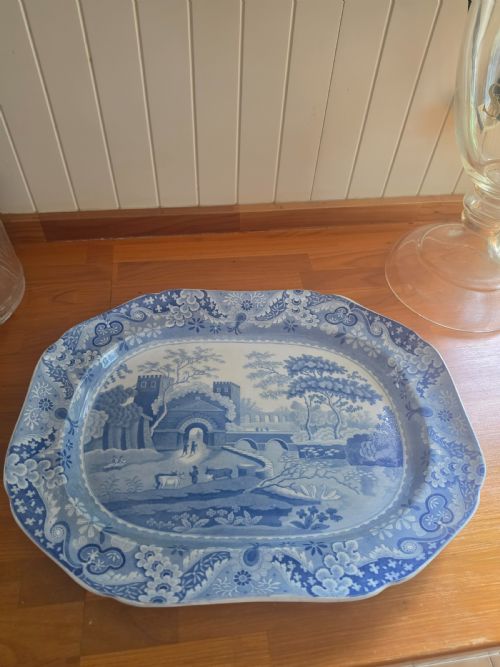
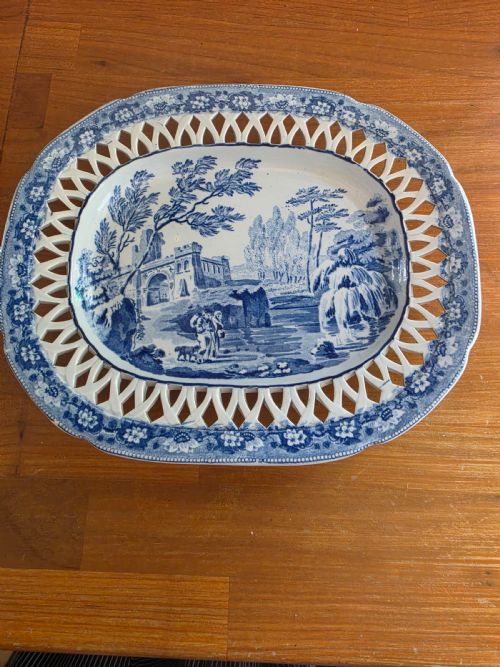
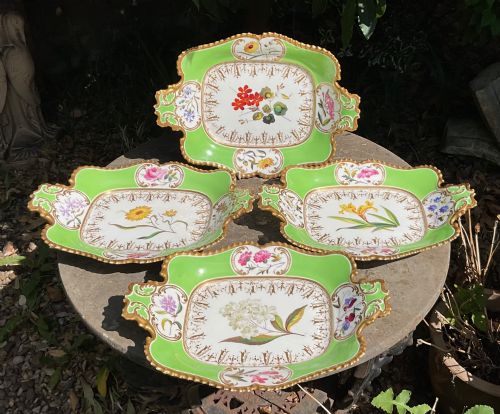
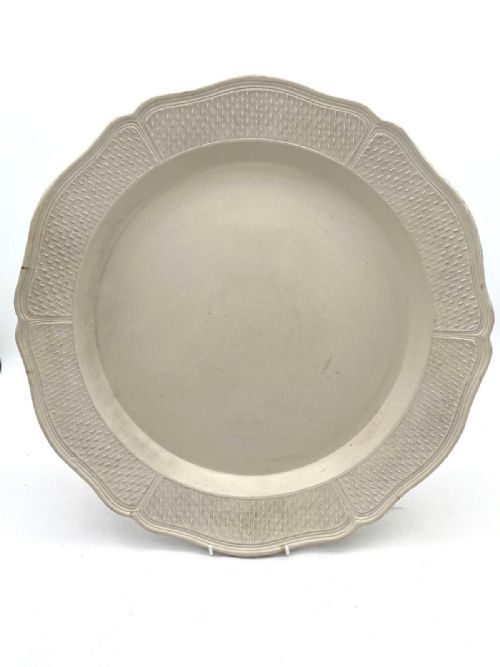
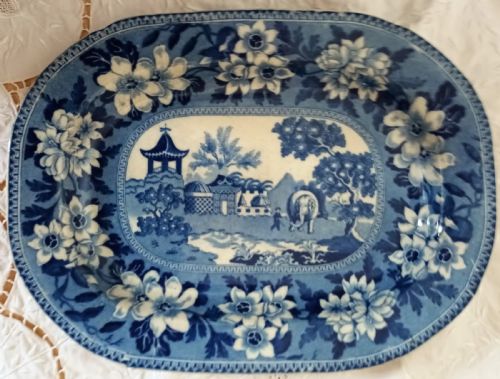
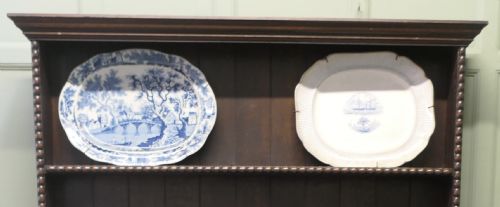
A georgian ceramic serving platter spans expansive meat plates, octagonal dishes, and large chargers designed for formal dining.
The pieces on this page originate primarily from the eighteenth century and the Regency era, taking forms in creamware, ironstone, and porcelain.
Makers fashioned these large serving vessels for domestic utility as well as display on sideboards and buffets.
Materials and Techniques
Potters utilised earthenware, creamware, pearlware, and porcelain, applying cobalt pigment for underglaze blue transfers or handpainting polychrome enamels.
Transfer printing allowed workshops to apply intricate patterns onto the ceramic surface before glazing and firing in kilns.
Georgian Ceramic Serving Platter Retail Price Guide 2026
Typical asking prices for georgian ceramic serving platter among the pieces listed under this phrase on Sellingantiques today, from the lower quarter to the upper quarter. They describe what is for sale here now, not the wider market.
Listings feature earthenware, porcelain, and creamware bodies decorated with cobalt pigment and enamel.
Craftsmanship and Execution
Depth of colour in the cobalt blue, crispness of the transfer print, and proportion in moulded elements distinguish individual plates.
The finesse of hand-painted botanical or floral details and the stability of large earthenware bodies indicate the skill of the potter.
John Rogers and Son·Chamberlains Worcester·Hicks and Meigh·Thomas Lakin·Don Pottery
The Georgian Ceramic Serving Platter Glossary
- Creamware
- A refined earthenware body with a pale yellowish glaze developed during the eighteenth century. Josiah Wedgwood perfected this pale ceramic for widespread domestic use.
- Transferware
- Pottery decorated by applying a printed design from an engraved copper plate onto tissue paper, which was then transferred onto the unglazed or bisque ceramic body.
- Ironstone
- A heavy, durable type of feldspathic earthenware patented in the nineteenth century. It resists chipping and provided a sturdy surface for large meat dishes.
- Charger
- A large decorative or serving dish intended for grand tables or sideboard display. These oversized plates often anchor a dining arrangement.
Georgian Ceramic Serving Platter: Frequently Asked Questions
How do I date a platter?
Pottery bodies, glaze characteristics, and maker marks help narrow down the production period. Creamware points towards the eighteenth century, while ironstone and dense transfer printing often indicate the Regency era.
Backstamps and pattern names recorded in ceramic history references provide further clues to specific decades.
Are these platters safe for food?
Historical ceramics may contain lead in the glaze or develop hairline fractures over centuries of use. Many collectors prefer to exhibit these pieces on walls or dressers rather than use them for dining.
Gentle hand washing preserves the enamel and transfer-printed surfaces if displayed in a domestic setting.
What is the difference between porcelain and earthenware?
Porcelain is fired at higher temperatures, resulting in a vitreous, translucent body that rings when struck. Earthenware is more porous and opaque, requiring a glaze to become impermeable.
Ironstone bridges these categories by offering the durability of stoneware with the refined appearance of earthenware.