


Georgian Ceramic Cup
A georgian ceramic cup offers a tangible link to the tea and ale habits of the late eighteenth and early nineteenth centuries.
Georgian Ceramic Cup
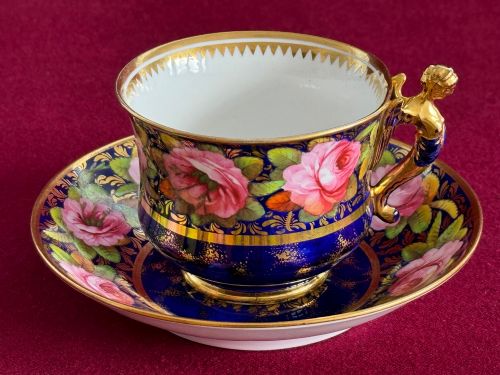
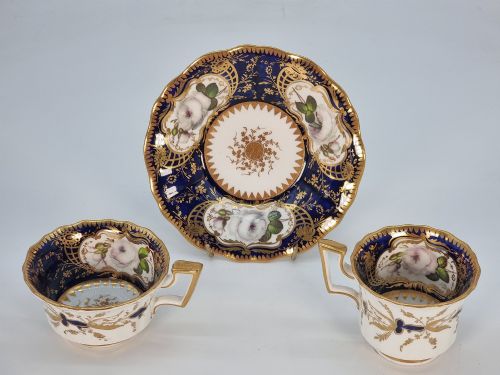
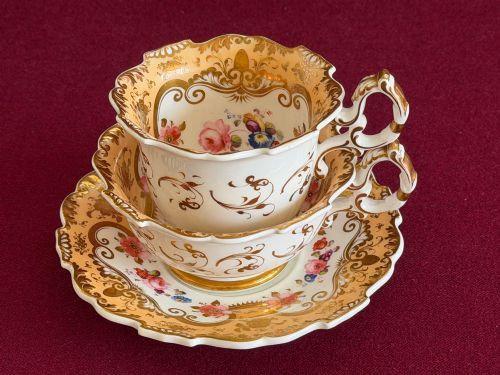
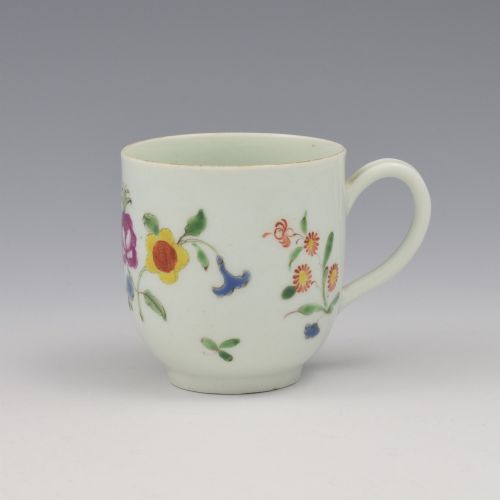
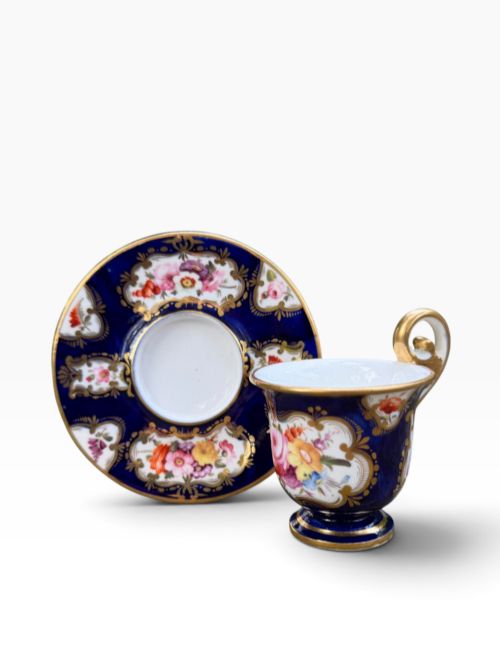
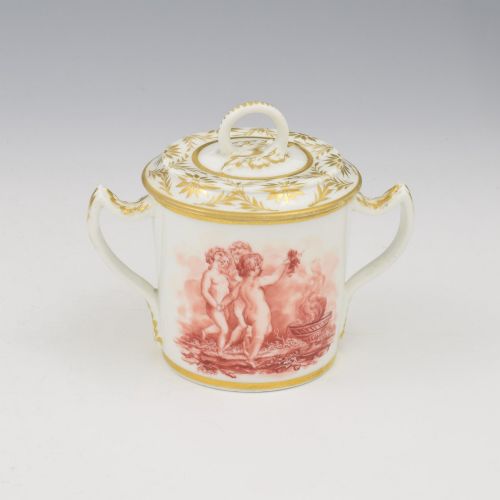
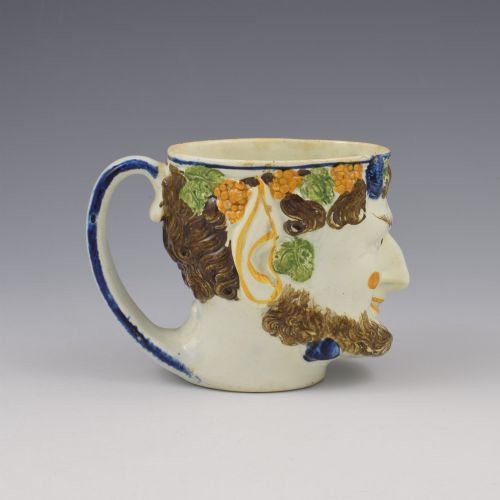
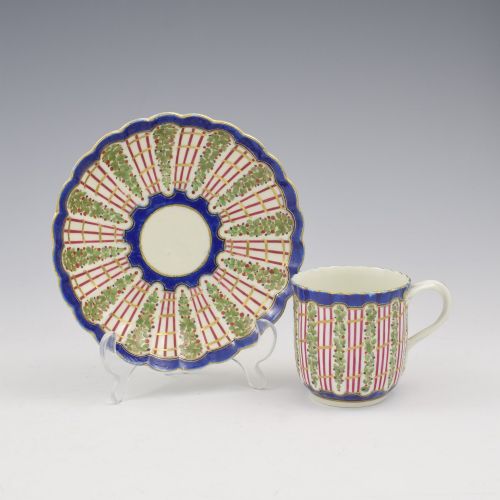
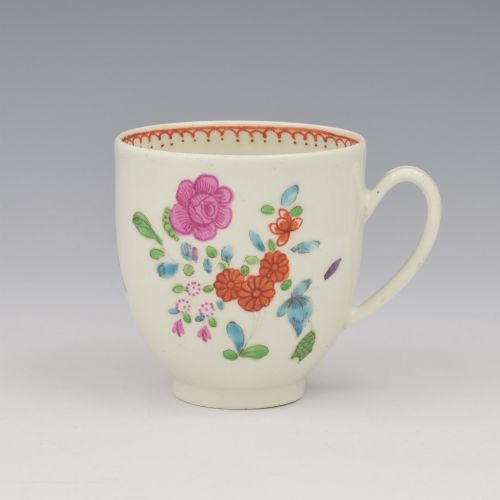
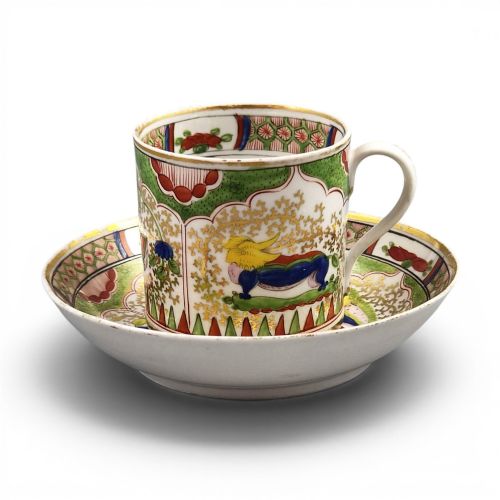
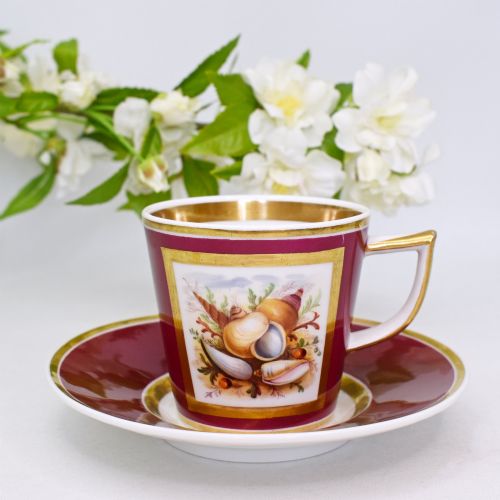
A georgian ceramic cup encompasses a diverse range of forms, from delicate porcelain coffee cans and tea bowls to robust earthenware mugs and loving cups. These vessels date primarily from the eighteenth century through the Regency period, capturing shifts in domestic drinking habits across porcelain, bone china, and pearlware.
Buyers most frequently encounter refined Worcester porcelain tea wares alongside Staffordshire pearlware drinking vessels on this page. The selection moves between intimate domestic sets and sturdy public house tankards, reflecting both formal drawing-room porcelain and utilitarian country pottery.
Materials and Technique
Potters shaped these vessels using soft-paste and hard-paste porcelain, bone china, creamware, and pearlware, often throwing them on a wheel or pressing them into moulds. Artisans decorated the surfaces using hand-painted underglaze blue, vibrant polychrome enamel palettes, and rich gilding with gold leaf.
Specialised factories utilised complex techniques such as transfer printing and intricate ground colours like wet blue. Ironstone and stoneware provided heavier, more durable bodies for mugs and multi-handled tygs designed for communal ale drinking.
Georgian Ceramic Cup Retail Price Guide 2026
Typical asking prices for georgian ceramic cup among the pieces listed under this phrase on Sellingantiques today, from the lower quarter to the upper quarter. They describe what is for sale here now, not the wider market.
Some mugs hid ceramic frogs inside to startle drinkers at the bottom.
Craftsmanship and Painting
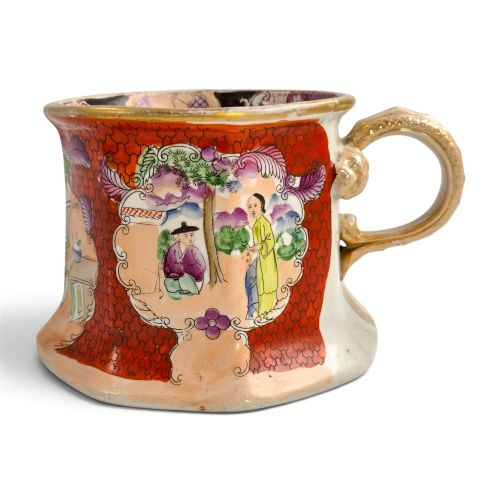
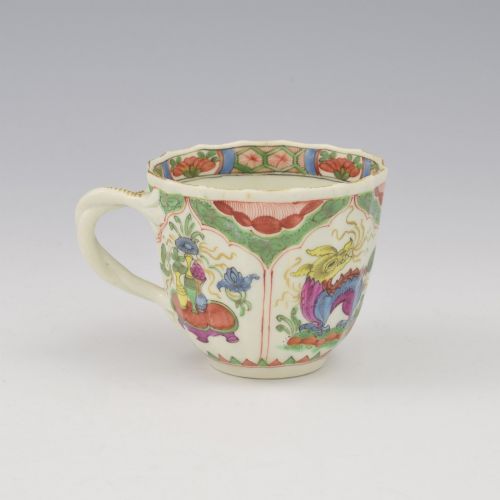
The sophistication of the hand-painted enamel work and the precision of the gilding largely distinguish finer examples from standard production. Superior pieces display crisp, detailed transfer printing or meticulously brushed polychrome motifs, such as exotic birds and mandarin figures, executed by skilled studio hands.
Richard Chaffers·Newhall·Coalport John Rose·Bloor Derby·Flight & Barr·Rockingham·H & R Daniel·Mason's Ironstone·Duesbury & Kean·Chamberlain Worcester·Hicks, Meigh & Johnson·Davenport
The Georgian Ceramic Cup Glossary
- Coffee Can
- A straight-sided cylindrical porcelain cup designed specifically for drinking coffee in the late eighteenth and early nineteenth centuries.
- Pearlware
- An improved fine earthenware developed by Josiah Wedgwood in the late eighteenth century, featuring a pale bluish glaze that pooled slightly in crevices.
- Trio
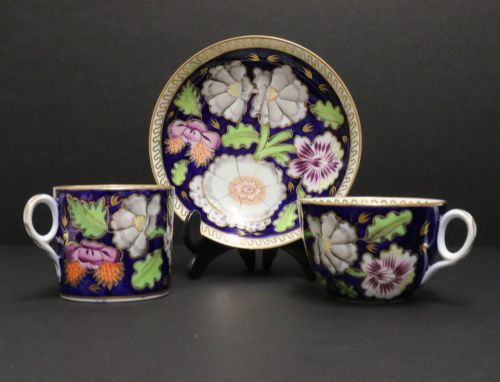
- A matching set consisting of a teacup, a coffee cup, and a saucing plate, popular for entertaining during the Regency era.
- Tyg
- A large drinking vessel fitted with three or more handles, traditionally used for communal passing at celebrations and ale-houses.
- Soft-Paste Porcelain
- An artificial porcelain composition fired at lower temperatures than true hard-paste, common in early English factories like Worcester and Derby.
Georgian Ceramic Cup: Frequently Asked Questions
What is a georgian ceramic cup?
A georgian ceramic cup is a drinking vessel produced during the reigns of the Hanoverian kings, spanning delicate porcelain tea bowls and sturdy earthenware mugs. These items reflect the burgeoning popularity of hot beverages and social drinking in Britain.
They range from dainty cabinet trios painted with chinoiserie scenes to robust salt-glazed or pearlware tankards intended for daily tavern use.
How were these cups used?
Tea bowls and coffee cans served refined guests during formal drawing-room tea ceremonies, where hosts displayed their wealth through imported leaf and fine porcelain. Larger mugs and multi-handled vessels functioned as communal drinking pots for ale, cider, and posset.
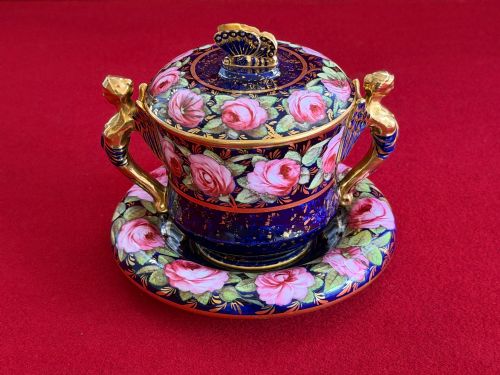
Specialised forms like chocolate cups included lids to retain heat, while novelty items like frog mugs added surprise elements to festive gatherings.
How do I date a piece?
Dating relies on stylistic clues, factory marks, body composition, and decorative motifs characteristic of specific periods like the eighteenth century or Regency era. Early soft-paste porcelain often shows translucent bodies with soft glaze pooling, while later bone china appears whiter and more uniform.
Factory patterns, hand-painted numerals, and impressed potter marks help narrow down production years within decades.