




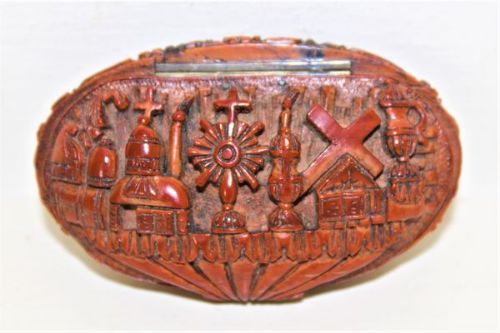


Georgian Carved Trinket Box
A georgian carved trinket box brings pocket-sized craftsmanship to your table, offering tactile historical charm through intricate woodwork and natural materials.
Georgian Carved Trinket Box
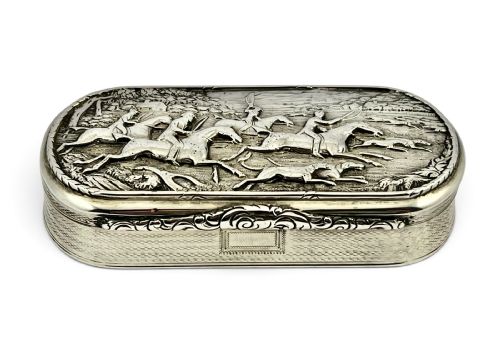
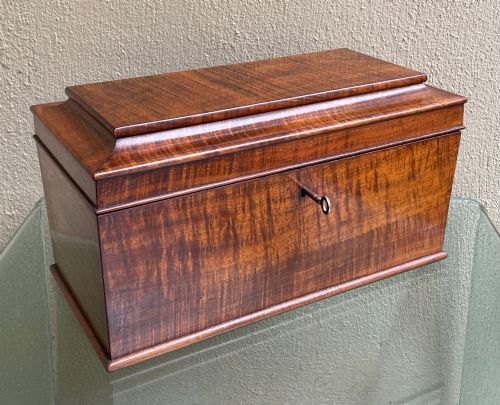
When you search for a georgian carved trinket box, you are looking at small personal containers designed to hold keepsakes, snuff, patches, or small valuables. The selection spans the eighteenth century through to the Regency period, encompassing miniature coffers, desk boxes, tea caddies, and pocket-sized vessels.
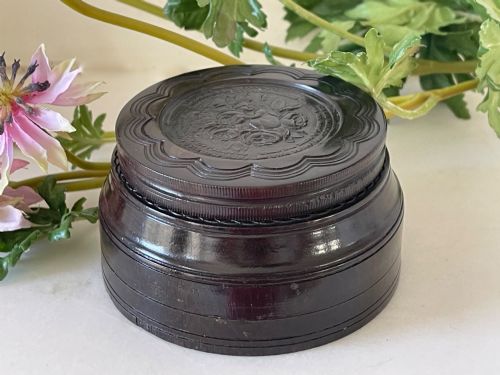
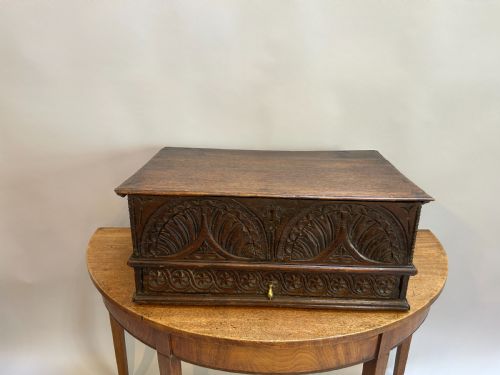
The most common forms you will meet on this page are small wooden boxes and carved nut containers. These include Welsh vernacular coffor bach pieces, coquilla nut patch boxes, and various hardwood snuff boxes shaped for daily use.
How they were made
The makers of a georgian carved trinket box utilised dense timbers such as mahogany, oak, and hardwood, alongside organic materials like coquilla nut, bone, and horn. Carpenters and turners shaped these materials using hand tools, carving intricate surface details directly into the substance of the box.
Decoration often involved contrasting elements, such as holly and bog oak inlay set into oak surfaces, or pressed maple techniques. Surfaces were finished to develop a rich patina through handling and natural waxes over the decades.
Georgian Carved Trinket Box Retail Price Guide 2026
Typical asking prices for georgian carved trinket box among the pieces listed under this phrase on Sellingantiques today, from the lower quarter to the upper quarter. They describe what is for sale here now, not the wider market.
Some nineteenth-century makers carved nuts into pocket containers just large enough for a pinch of snuff and a secret.
What varies in quality
Quality in a georgian carved trinket box rests on the crispness of the carving and the selection of the material. Finer examples display deep, deliberate tool work rather than soft or worn detailing, showing the hand of a skilled artisan.
Construction methods also separate standard pieces from superior ones, visible in tight joinery, well-fitted lids, and the thoughtful integration of inlay work like holly and bog oak.
The Georgian Carved Trinket Box Glossary
- Coffor bach
- A miniature Welsh coffer or chest traditionally used as a keepsake or marriage box. These small oak vessels often mirror the construction of larger blanket chests.
- Coquilla nut
- The hard, dense fruit of the South American palm tree used extensively for small turned and carved containers. It polishes to a smooth, dark finish.
- Patch box
- A small container originally designed to hold cosmetic fabric patches for the face. They frequently feature carved or hinged lids.
- Patina
- The surface sheen and coloration developed by wood and organic materials through age and handling. A deep patina indicates long-term use and natural wear.
- Inlay
- A decorative technique where pieces of contrasting material, such as holly or bog oak, are set into recesses flush with the main surface.
Georgian Carved Trinket Box: Frequently Asked Questions
What did people keep in a georgian carved trinket box?
These small containers held personal valuables, coins, decorative face patches, or pinches of tobacco and snuff. Their compact size made them suitable for tabletops or pockets.
Over time, owners adapted them to store whatever small keepsakes required safe keeping within the home or while travelling.
How can I tell a genuine eighteenth-century box?
Examine the timber construction, tool marks, and overall wear patterns visible across the surface. Eighteenth-century pieces typically exhibit hand-cut joints and materials appropriate to the period, such as oak or mahogany.
Natural ageing of the wood and the development of a deep patina provide further indication of historical authenticity.
Are coquilla nut boxes natural?
Coquilla nut is the hard seed kernel of a tropical palm species native to South America. Artisans carved the dense material directly because it holds fine detail exceptionally well.
These nut containers were popular pocket items during the nineteenth century due to their robust nature and distinctive dark grain.