



Georgian Caned Armchair
A georgian caned armchair offers woven seating and wooden framing, bringing historic craftsmanship and sturdy utility into a modern room.
Georgian Caned Armchair
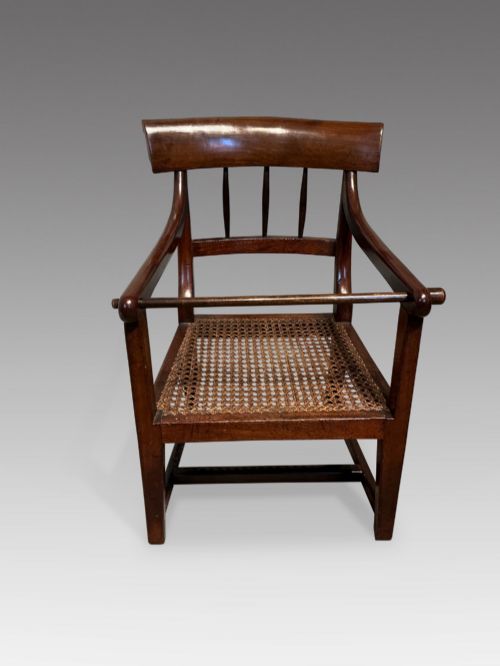
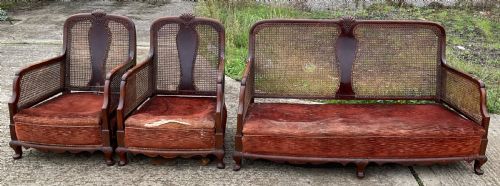
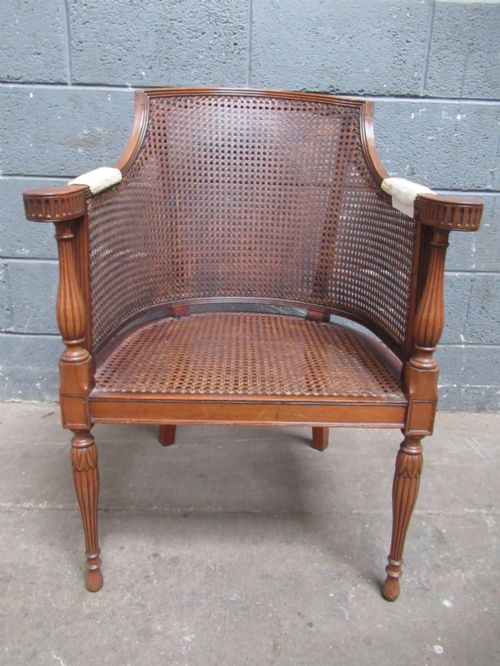
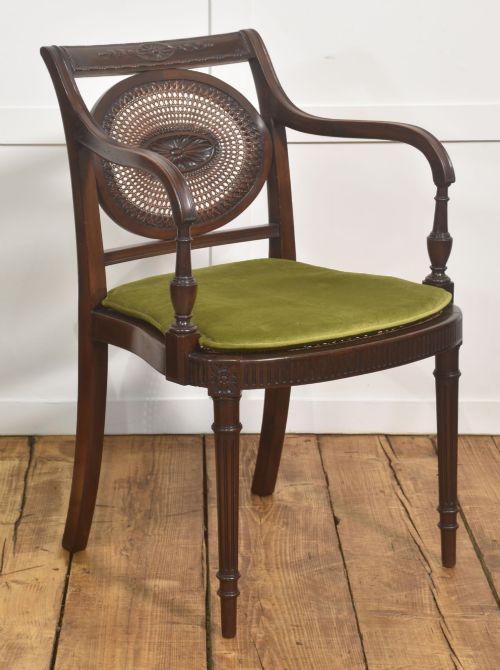
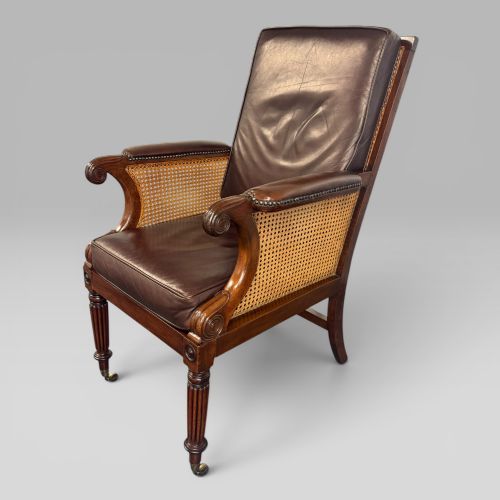
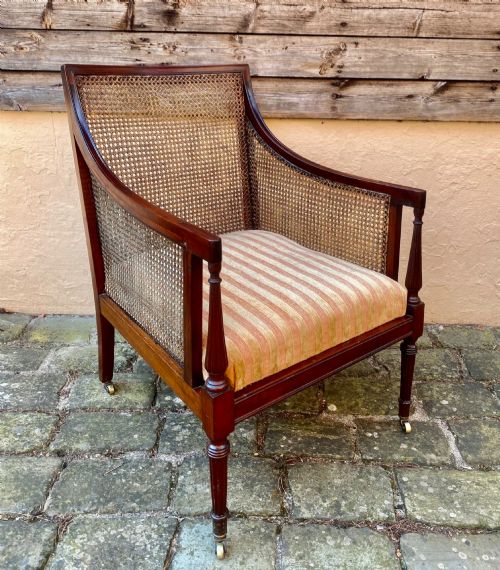
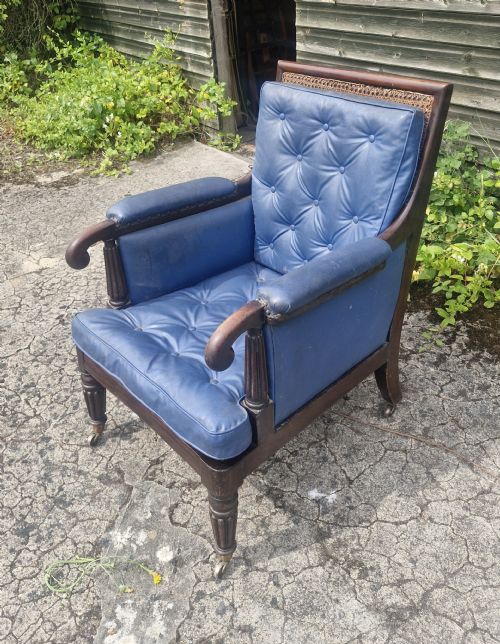
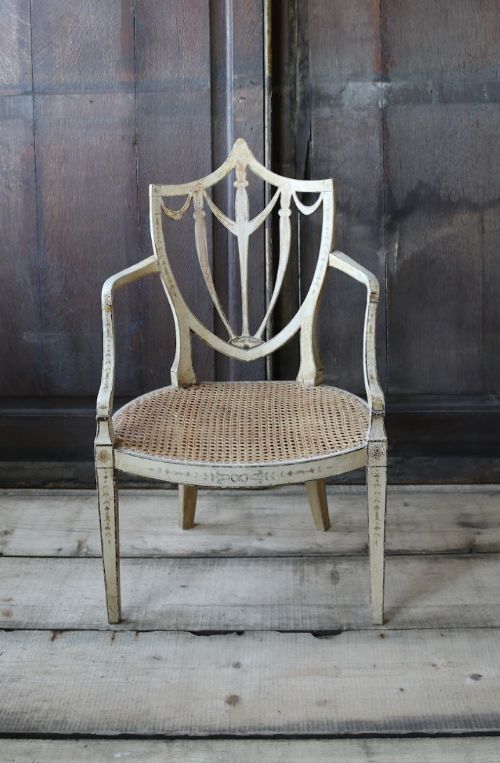
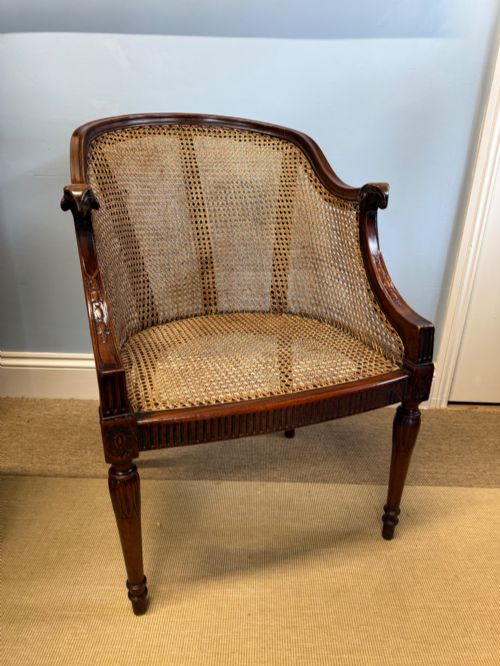
When you search for a georgian caned armchair, you encounter seating built from solid timber with woven panels forming the seat, back, or arms. These pieces include library bergères, reading chairs, and open armchairs designed for domestic comfort.
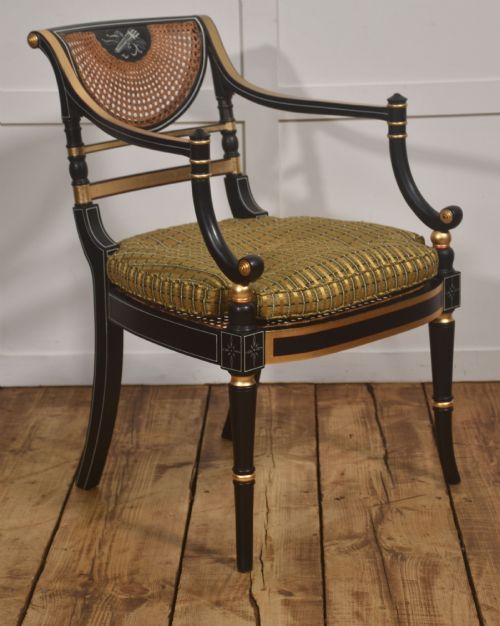
The selections span distinct historical periods, appearing frequently in Regency designs alongside later revivals from the nineteenth and twentieth centuries. Mahogany, rosewood, and painted finishes form the primary wooden structures supporting the woven panels.
Forms range from generous library armchairs with deep seats to compact childs chairs and folding library steps combined with seating. Dining armchairs and pairs also feature among the recorded examples, offering multiple configurations for seating spaces.
Materials and construction
Cabinetmakers constructed the frames primarily from dense hardwoods like mahogany and rosewood, occasionally utilising beech or pine treated with paint, parcel gilt, or simulated grain finishes. Craftspeople shaped the timber into curved tub profiles, shield backs, and structural rails designed to house woven panels.
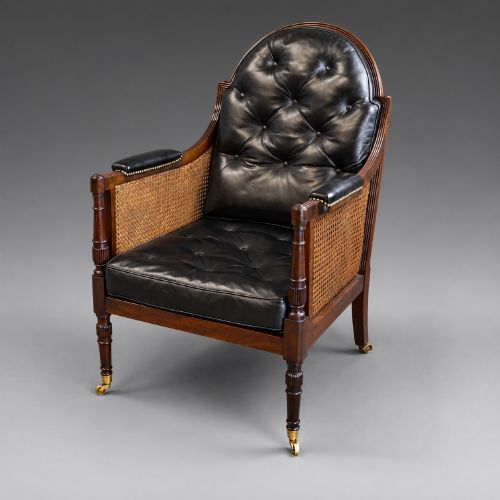
Caning material, rattan, and cane strands were threaded by hand through drilled holes or channeled frames to create a resilient, flexible mesh. Leather squab cushions and velvet upholstery often added padding to the seat bases of deep library chairs.
Georgian Caned Armchair Retail Price Guide 2026
Typical asking prices for georgian caned armchair among the pieces listed under this phrase on Sellingantiques today, from the lower quarter to the upper quarter. They describe what is for sale here now, not the wider market.
The documented forms span the Georgian and Regency eras, extending through the nineteenth century into Edwardian and 1930s revivals.
Distinctions in quality
The standard of carving and the precision of the timber framing dictate the hierarchy of these seats. Pieces displaying crisp mouldings, fine inlay work, and robust joinery stand above plain or heavily repaired framing.
The tightness and regularity of the hand-woven cane work distinguish finer examples from utilitarian replacements. Original surface treatments, such as genuine parcel gilding or preserved paint finishes, elevate the integrity of a piece compared to stripped or heavily modernized timber.
Gillows
The Georgian Caned Armchair Glossary
- Bergère
- An enclosed upholstered armchair with wooden framing and cane-paneled sides and back. These deep seats often accommodate loose leather or fabric cushions.
- Caning
- A woven mesh made from the peeled bark of rattan palm. This technique creates a breathable, flexible surface for chair seats and backs.
- Parcel Gilt
- A decorative technique where specific carved details of a wooden frame receive a thin application of gold leaf while the rest of the surface is painted or polished.
- Simulated Rosewood
- A painted or stained finish applied to a secondary timber to imitate the dark grain and rich colour of genuine rosewood.
- Library Steps Armchair
- A convertible piece of furniture that unfolds from an armchair into a set of library steps. This form combines functional seating with access to high shelves.
Georgian Caned Armchair: Frequently Asked Questions
What is a bergere armchair?
A bergere armchair is an enclosed seat featuring wooden framing with woven cane panels on the back and sides. These pieces were designed for comfortable reading and relaxation.
They typically include upholstered loose cushions on the seat base. The style emerged strongly during the Regency and Georgian periods.
How do you care for antique cane?
Antique cane requires gentle cleaning with a damp cloth to remove dust from the woven strands. Avoid excessive moisture to prevent the natural material from becoming brittle.
Keeping the chairs away from direct heat sources helps preserve the flexibility of the rattan. Regular light dusting maintains the condition of the woven panels.
How are different periods told apart?
Cabinetmaking techniques, timber choices, and decorative motifs distinguish the various eras. Georgian pieces often display restrained classical carving and solid proportions.
Regency examples introduce curved sabre legs, brass inlay, and simulated rosewood finishes. Later nineteenth-century pieces often revive these earlier stylistic traits with heavier framing.