





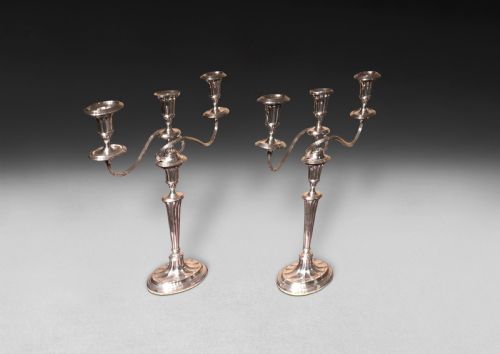

Georgian Candelabra
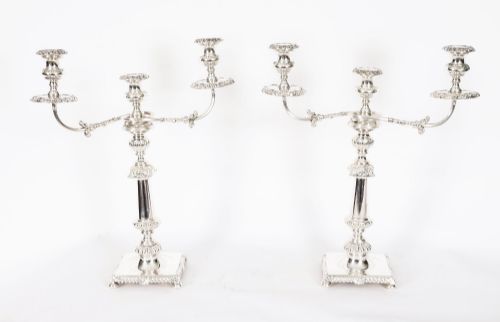
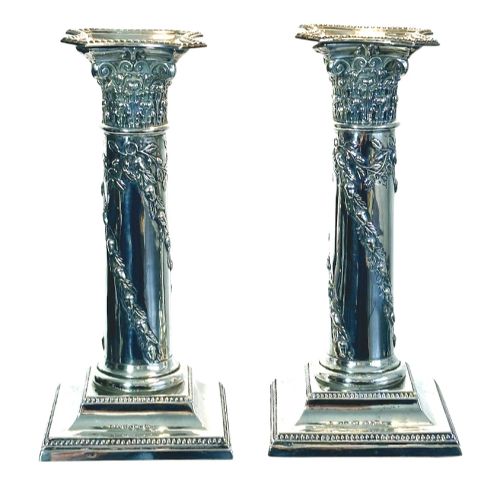
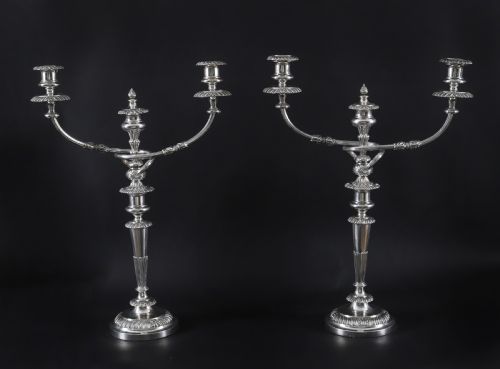
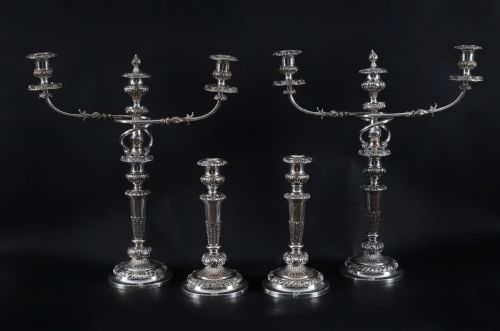
These georgian candelabra bring genuine candlelight to a dining table, combining substantial weight with the restrained balance of the eighteenth and nineteenth centuries.
Georgian Candelabra
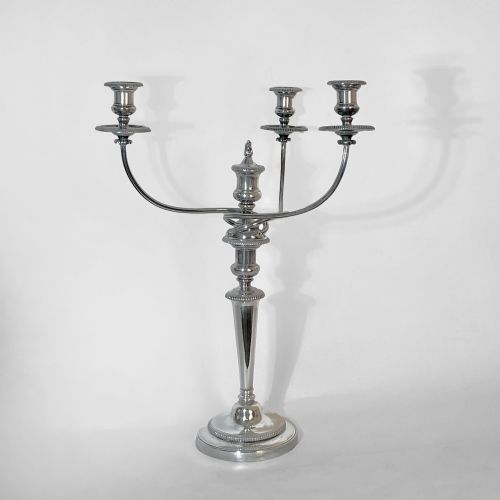
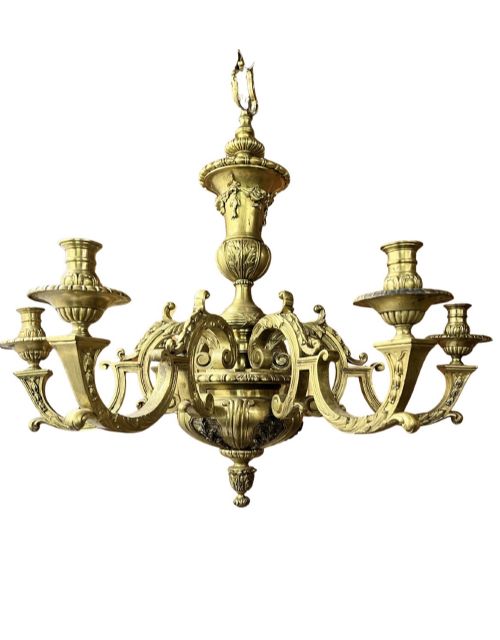
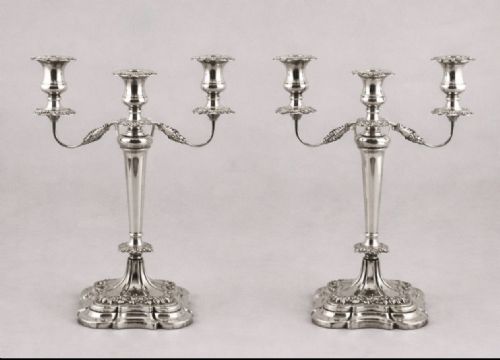
When you search for georgian candelabra, you encounter lighting designed for formal rooms, spanning multi-light candelabra, paired candlesticks, and wall sconces. The examples available here lean heavily into Old Sheffield plate, sterling silver, and bronze, representing both the eighteenth century and later revivals.
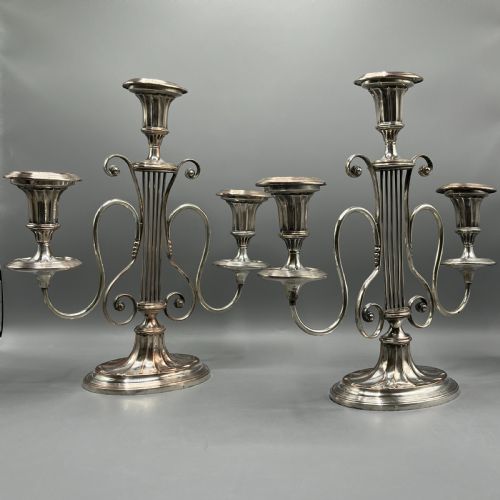
Forms range from simple two-light branches to four-piece suites and lyre-shaped designs. Makers applied styles from the Regency and Neoclassical periods down to George I revivals, creating branching lighting meant to reflect candlelight effectively.
How they were made
Metals dominate these listings, utilising silver plate, Old Sheffield plate, and sterling silver alongside cast bronze and ormolu. Artisans also employed copper and patinated bronze, shaping metal through casting, smithing, and plating techniques.
Gilding and ormolu applications add metallic warmth to bronze components, whilst earlier pieces incorporate wrought iron for structural support. These methods produce durable lighting fixtures designed to hold multiple candles securely.
Georgian Candelabra Retail Price Guide 2026
Typical asking prices for georgian candelabra among the pieces listed under this phrase on Sellingantiques today, from the lower quarter to the upper quarter. They describe what is for sale here now, not the wider market.
The listings combine eighteenth-century forms with nineteenth-century silver plate, alongside twentieth-century revivals in sterling silver and brass.
What varies in quality
The standard of these pieces depends upon the crispness of the cast ornamentation and the integrity of the metalwork. Heavier silver and bronze components demonstrate a more substantial investment of material by the maker.
Proportion and symmetry between the branches and bases dictate visual success, whilst the retention of original plating or patination separates superior examples from heavily restored ones.
Matthew Boulton·Humphrey Hopper·Blagden Hodgson And Co·Meissen
The Georgian Candelabra Glossary
- Old Sheffield Plate
- A composite material made by fusing a thin sheet of silver to a thicker copper base. This technique preceded modern electroplating and leaves characteristic copper seams.
- Ormolu
- Finely ground high-carat gold applied to a bronze base using a mercury amalgam technique. It provides a rich, durable golden finish seen on Regency and Neoclassical fittings.
- Torchere
- A tall stand or floor-standing candelabrum designed to hold a light source high above the floor. They often feature classical motifs during the Regency period.
- Candelabrum
- A multi-branched lighting fixture designed to hold several candles simultaneously. Pairs and suites frequently served as centrepieces on dining tables.
- Neoclassical
- A style drawing inspiration from classical antiquity, characterised by symmetry, straight lines, and motifs like urns and swags. It heavily influenced George III and Regency metalwork.
Georgian Candelabra: Frequently Asked Questions
How do I clean silver plated candelabra?
Clean silver plate and Old Sheffield plate gently with a soft cloth and a specialised silver polish. Avoid harsh abrasives that can wear through thin plating layers to the base metal underneath.
Take care around joints and soldered branch connections to prevent loosening the structure during polishing.
What is Old Sheffield plate?
Old Sheffield plate is an early form of plating where a sheet of silver is fused to a copper core through heat and pressure. This creates a durable material with a rich lustre.
Under magnification, you may spot thin lines of exposed copper along edges where the sheet was cut or folded.
Can I use real candles in them?
You can use standard taper candles provided they fit securely into the drip pans and nozzles without leaning. Ensure the candelabrum stands on a stable, level surface before lighting.
Keep burning candles away from drafts to prevent uneven melting and potential drips onto the metal.
How do I identify Regency pieces?
Regency items often incorporate classical motifs such as bronze, ormolu, and patinated finishes inspired by Greek and Roman designs. The silhouettes tend to be bold and architectural.
Look for heavy cast components and details like lyre shapes or circular stepped bases typical of the early nineteenth century.