


Georgian Burr Oak Furniture
Georgian burr oak furniture combines richly knotted timber with the confident proportions of the eighteenth and early nineteenth centuries.
Georgian Burr Oak Furniture
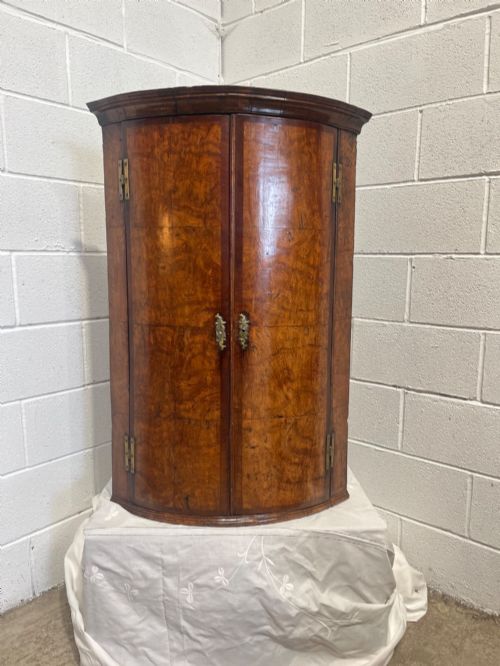
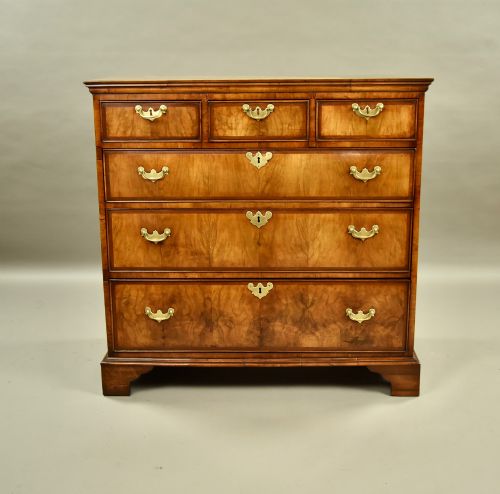
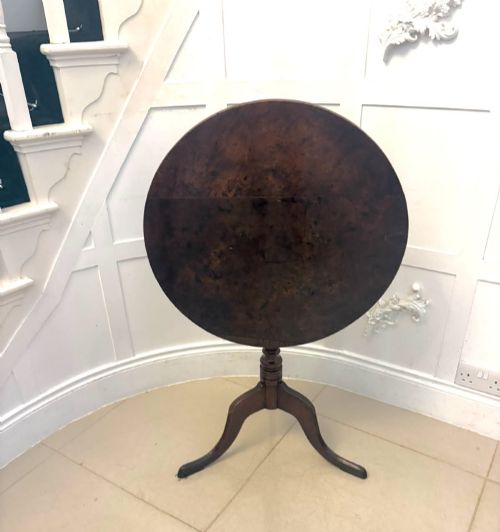
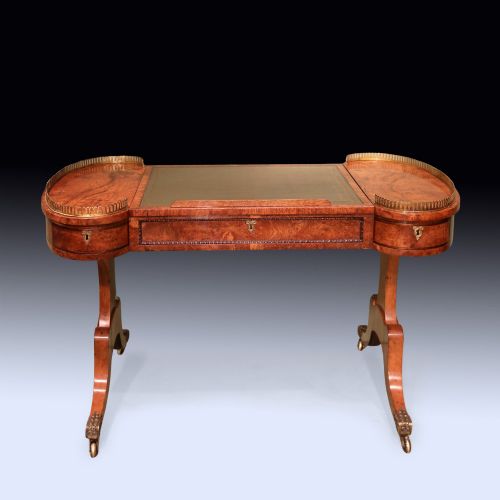
When you search for georgian burr oak furniture, you encounter practical domestic forms shaped by cabinetmakers working in the eighteenth and nineteenth centuries. These pieces encompass functional items such as corner cupboards, writing tables, occasional tables, and miniature chests of drawers.
The material character defines these items through distinctive growth formations in the timber. Alongside primary burr oak examples, related pieces utilise pollard oak, elm, walnut, and brass fittings within Georgian and Regency stylistic frameworks.
Surviving examples span the reigns of George I, George II, and George III, extending into the Regency period and later revivals. Each object displays the dense grain patterns and warm tones characteristic of figured native hardwoods.
How they were made
Cabinetmakers selected burr oak and pollard oak for their dramatic knot clusters and swirling figure, laying thin veneers over sturdy underlying carcases or constructing smaller items from solid timber. These decorative woods were frequently paired with contrasting secondary timbers such as elm and walnut.
Metal hardware such as brass handles, escutcheons, and hinges complemented the dark, figured surfaces of desks, tables, and cabinets. Joinery techniques relied on traditional framing and dovetailing to accommodate the natural movement of heavily figured native hardwoods.
A miniature chest of drawers sits ready to store tiny secrets.
What varies in quality
The visual impact depends largely on the density and placement of the burr figure across the visible surfaces. Rich patination and depth of colour elevate an object, separating standard utility pieces from those displaying exceptional decorative movement in the timber.
Proportion and restraint in design distinguish finer workshops from more basic provincial output. The crispness of mouldings, the integration of brass mounts, and the preservation of original timber surfaces govern the overall standing of each piece.
William Trotter
The Georgian Burr Oak Furniture Glossary
- Burr oak
- A growth deformity on an oak tree that produces tightly clustered knots and swirling patterns in the grain. Highly prized by cabinetmakers for decorative veneering.
- Pollard oak
- Timber taken from a tree that has been cut back to promote a dense flush of branches, resulting in a speckled and knotted grain pattern similar to burr.
- Lowboy
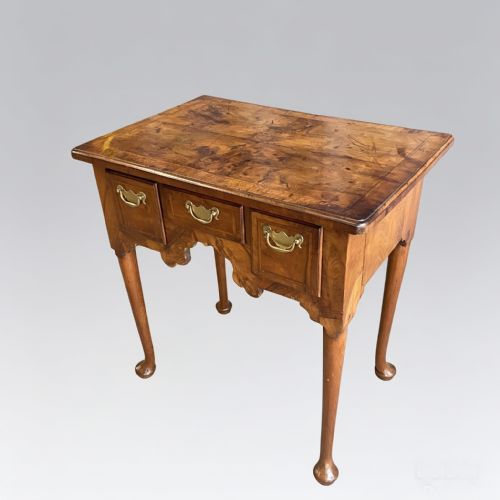
- A small kneehole table or dressing table with one or more rows of drawers, standing on four legs. Popular throughout the eighteenth century in walnut and oak.
- Tallboy
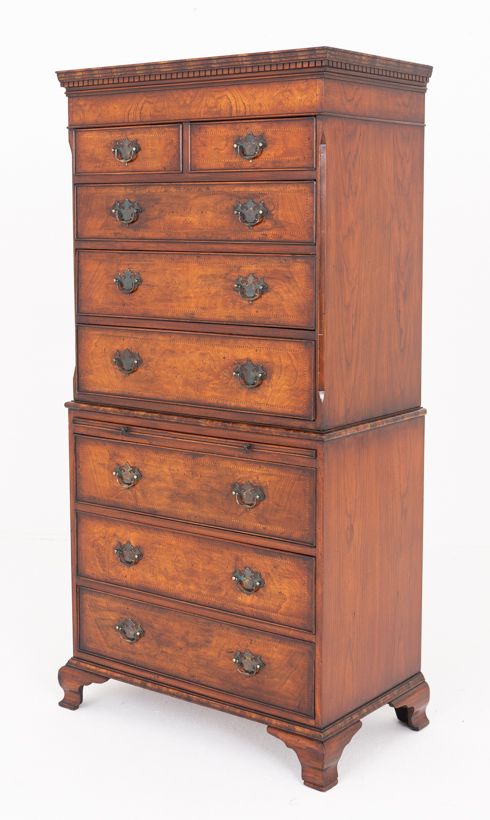
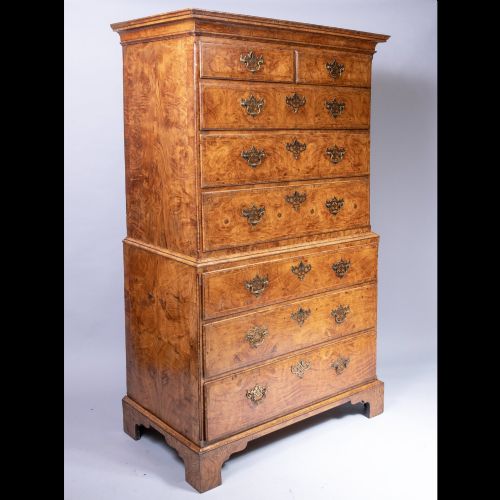
- A tall chest of drawers consisting of one chest stacked upon another, often built during the early eighteenth century. These pieces maximise storage while retaining a compact footprint.
- Patination
- The surface sheen and softening of colour developed by timber and finish over centuries of handling and exposure to light. Good patination indicates age and honest preservation.
Georgian Burr Oak Furniture: Frequently Asked Questions
How do I date burr oak furniture?
Dating relies on examining the construction methods, handle hardware, and stylistic details characteristic of specific reigns. Georgian and Regency pieces exhibit distinct architectural proportions that shift from early cabinet designs towards lighter nineteenth-century forms.
The choice of secondary woods and timber preparation also offer clues to the period of manufacture. Comparing the joinery inside drawers and carcases against known examples helps narrow down the decade.
Where were these pieces used?
These items served functional roles in principal rooms and private chambers of period homes. Corner cupboards fitted neatly into domestic interiors, while writing tables and occasional tables furnished studies and parlours.
Smaller items like miniature chests and wine tables added both utility and decorative presence to sitting rooms. Their robust construction suited daily household management and correspondence.
How do I care for burr oak?
Maintain the timber by keeping pieces away from direct heat sources and fluctuating humidity. Gentle dusting with a dry cloth preserves the finish without stripping the historical surface.
Occasional applications of appropriate wax nourish the wood and protect the grain. Avoid modern chemical polishes that can degrade the old polish and patination.
What is the difference between burr and pollard oak?
Burr oak comes from a natural excrescence or growth on the tree that creates intricate, swirling cluster patterns. It forms organic, cloud-like figures across the veneered surface.
Pollard oak results from a specific pruning method where the top of the tree is removed, producing a dense network of shoots that yields a speckled, spotty grain figure.