



Georgian Bureau Mirror
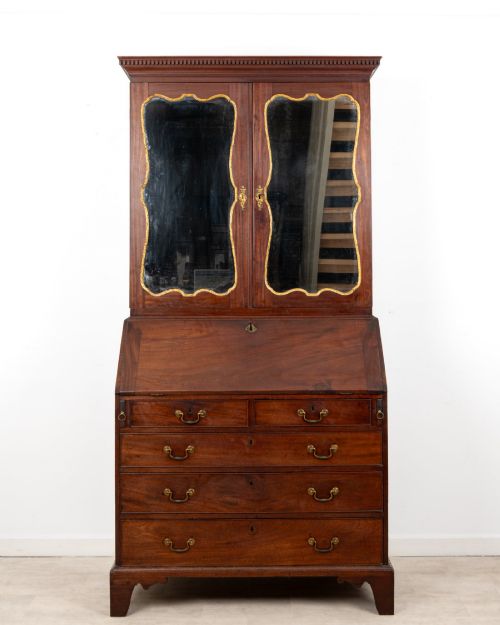
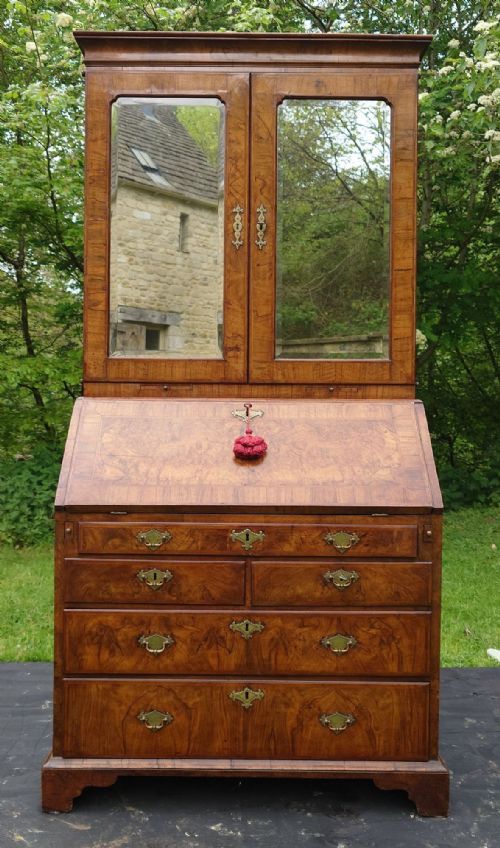
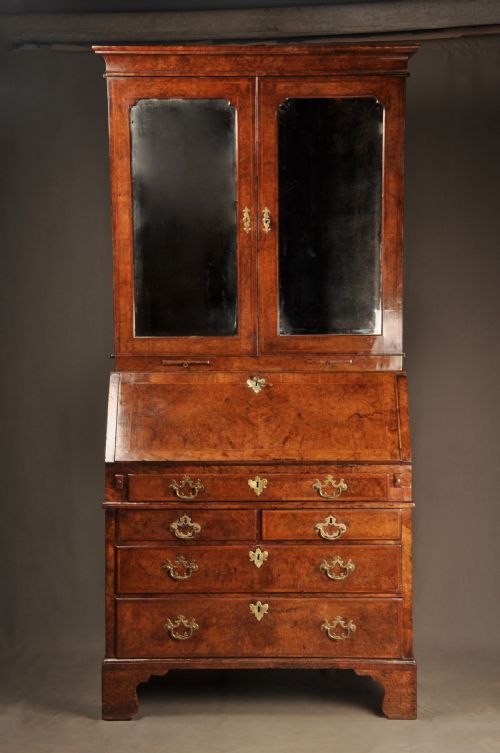
A georgian bureau mirror combines a sloping writing desk with a vertical glass panel, uniting domestic utility and dressing furniture from the eighteenth century.
Georgian Bureau Mirror
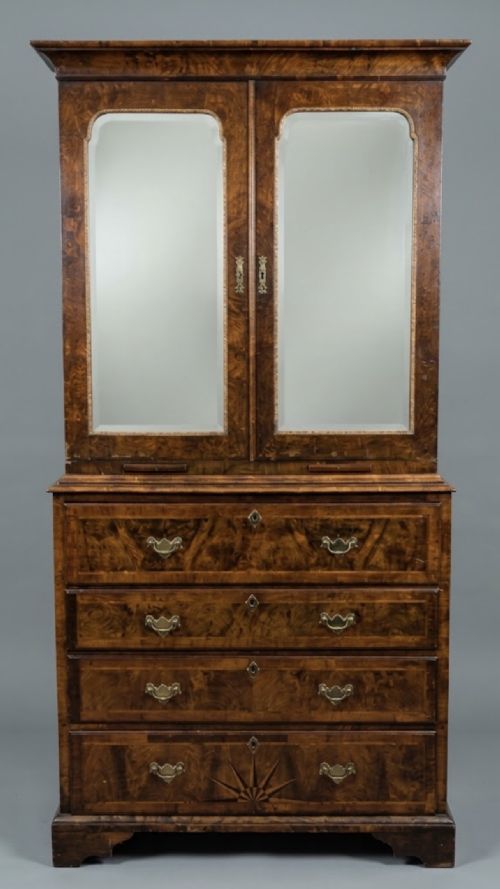
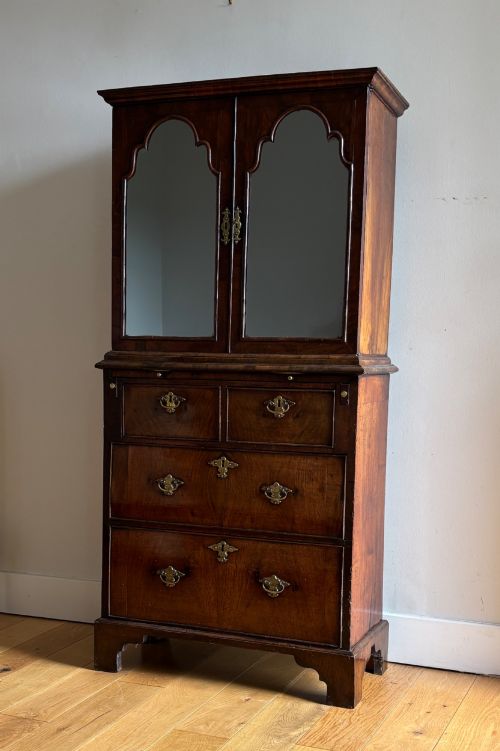
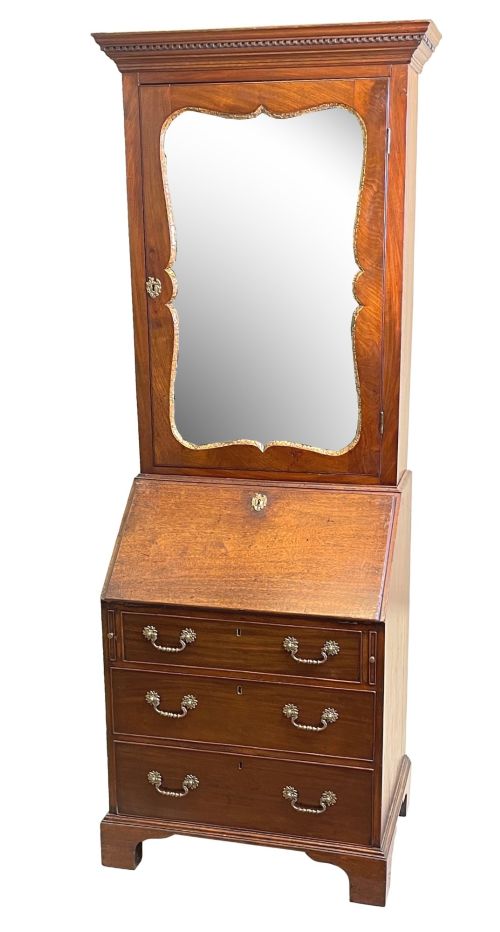
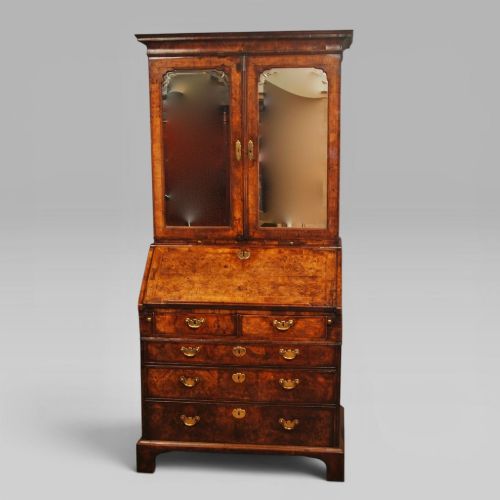
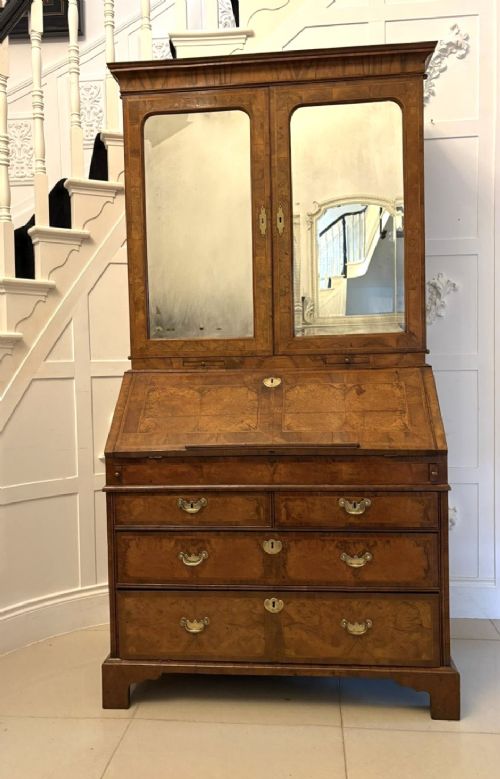
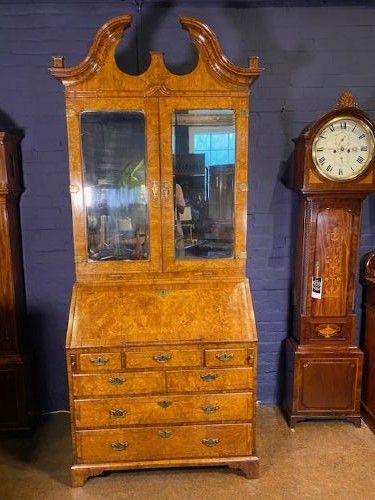
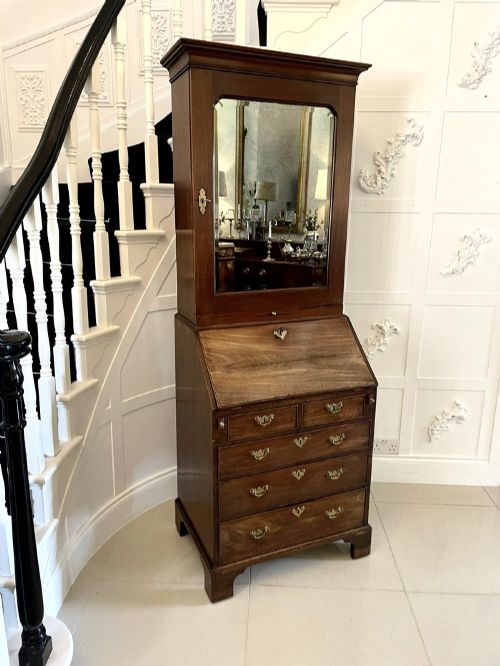
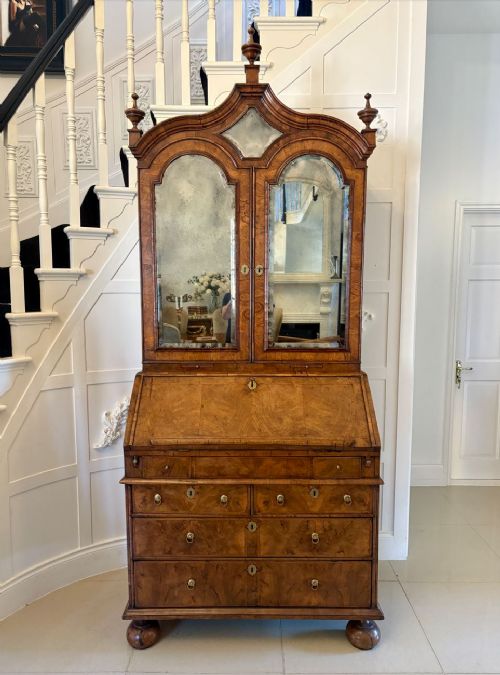
The term georgian bureau mirror covers two distinct forms on this page: tall bureau bookcases with mirrored doors and smaller dressing table mirrors equipped with miniature bureau bases. These pieces emerge from periods spanning the seventeenth century through the Georgian era, with later revivals appearing in Victorian and nineteen-twenty pieces.
Bureau bookcases dominate the selection, offering fitted writing interiors beneath glazed or mirrored upper doors. Dressing mirrors provide a compact alternative, placing a tilting glass plate above small drawer units or enclosed writing compartments.
Walnut and mahogany form the primary body of these objects, decorated with burr veneers, featherbanding, or black lacquer. Regional variations include Irish pieces and Chinese export examples alongside standard English workshops.
How they were made
Cabinet makers constructed these pieces using solid woods and intricate veneers, selecting walnut, burr walnut, oak, and mahogany for structural integrity and decorative surface grain. Featherbanding and inlay work accentuate the fall-front panels and drawer fronts on better examples.
Mirror glass sits within shaped wooden frames or set into cabinet doors, often retaining original plates. Brass hardware, including drop handles and escutcheons, secures the drawers and fall-fronts.
Georgian Bureau Mirror Retail Price Guide 2026
Typical asking prices for georgian bureau mirror among the pieces listed under this phrase on Sellingantiques today, from the lower quarter to the upper quarter. They describe what is for sale here now, not the wider market.
Listings span the 17th century, 18th century, Georgian period, Victorian era, and 1920, utilising walnut, mahogany, burr walnut, oak, and brass.
What varies in quality
The choice of timber creates the initial visual hierarchy, with figured walnut, burr walnut, and Cuban mahogany marking out superior cabinet work. Elaborate decorative treatments such as featherbanding and double dome crestings separate standard production from exceptional pieces.
The integration of the mirror element defines the character of the object, whether through large mirrored door panels on tall bookcases or tilting glass plates on miniature dressing tables.
The Georgian Bureau Mirror Glossary
- Bureau bookcase
- A combination furniture form featuring a sloping fall-front desk compartment below a shelved upper cabinet. These tall units frequently incorporate mirrored glass panels within the upper doors.
- Dressing mirror
- A table-top glass plate mounted in a pivoting frame above a small storage base. Miniature bureau versions add a sloping writing flap and internal compartments to the base.
- Featherbanding
- A decorative banding technique using veneer strips arranged in a herringbone pattern around drawer edges or panel borders. This detail characterises high-grade walnut furniture.
- Burr walnut
- Timber sliced from walnut tree growths, producing an intricate swirling grain pattern. Cabinet makers used these highly figured veneers on primary display surfaces.
- Fall-front
- A hinged writing flap that pulls down to create a horizontal desk surface. It conceals pigeonholes, small drawers, and secret compartments inside.
Georgian Bureau Mirror: Frequently Asked Questions
What is a bureau mirror?
A bureau mirror joins a writing desk compartment with a reflective glass surface. The selection includes tall architectural bookcases with mirrored doors and compact table-top dressing pieces.
These dual-purpose objects served eighteenth-century domestic spaces for correspondence and grooming alike.
How do I date a georgian piece?
Dating relies on stylistic markers and timber choices recorded across seventeenth, eighteenth, and nineteenth-century examples. Walnut and lacquer dominate early pieces, while mahogany becomes prominent later in the Georgian period.
Construction methods and secondary woods inside the drawers provide further confirmation of the period.
Where were these pieces made?
The listings show English workshops alongside Irish examples and Chinese export pieces created for Western markets. Regional timber preferences, such as Cuban mahogany or native walnut, point to these varied origins.
Different stylistic influences from Queen Anne through Chippendale styles appear across the geographical spread.
How do I care for antique walnut?
Antique walnut and mahogany surfaces require stable indoor humidity away from direct sunlight and heat sources. Gentle dusting preserves the polished wood and delicate veneer work.
Original mirror glass and brass hardware benefit from minimal intervention to maintain their historical integrity.