

Georgian Brown Table
A georgian brown table brings rich timbers and restrained lines into a room, offering both practical surface space and enduring period character.
Georgian Brown Table
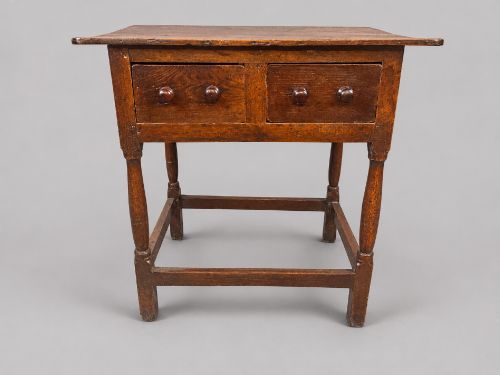
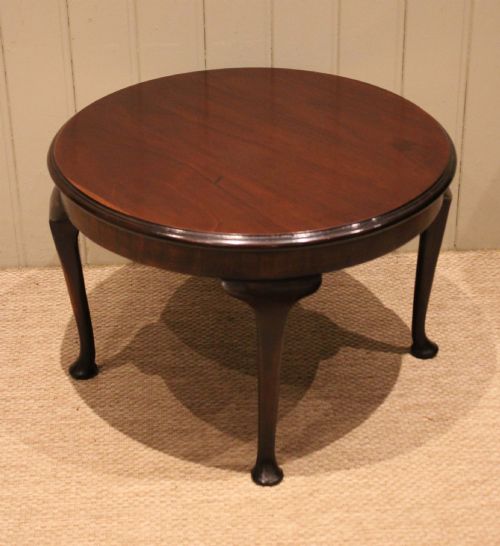
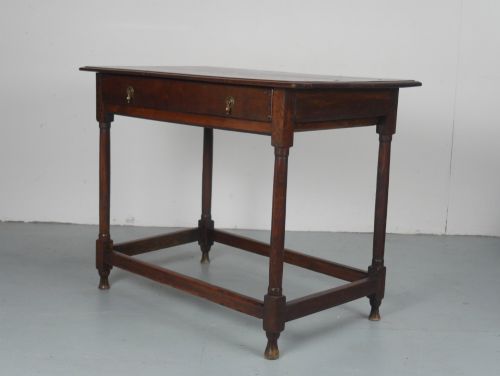
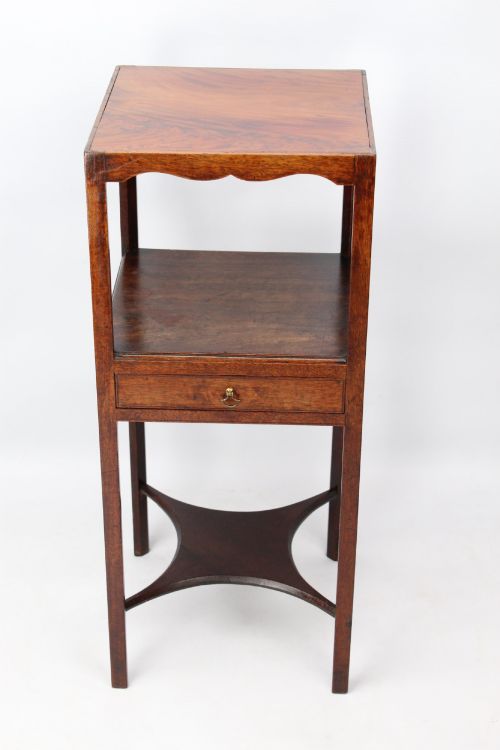
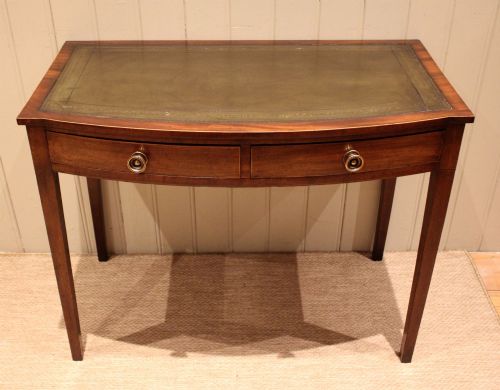
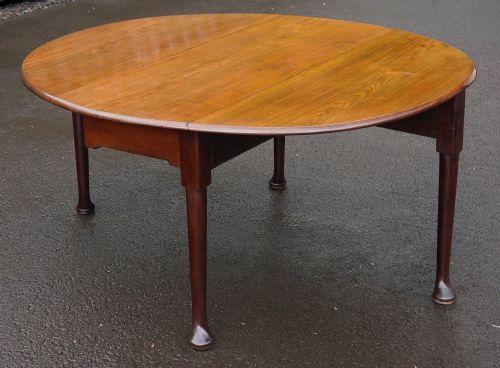
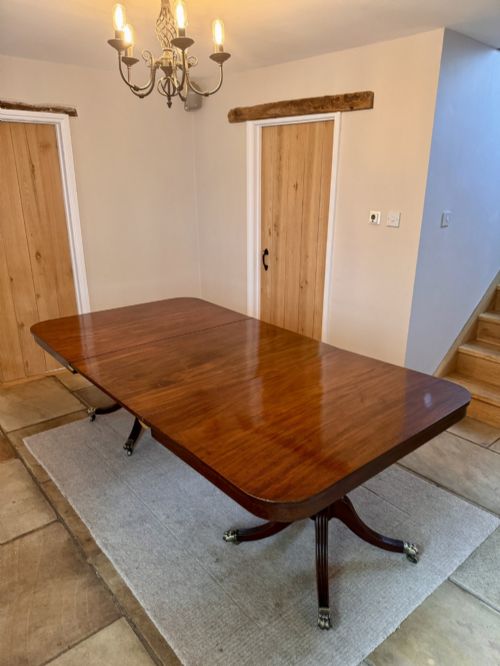
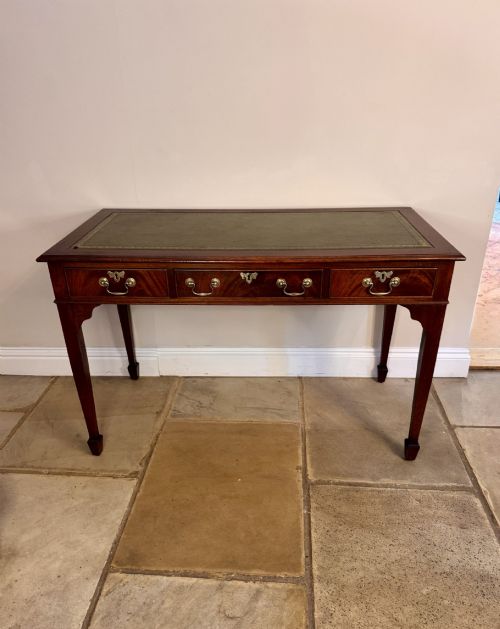
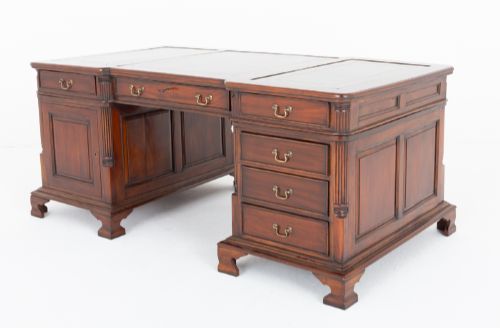
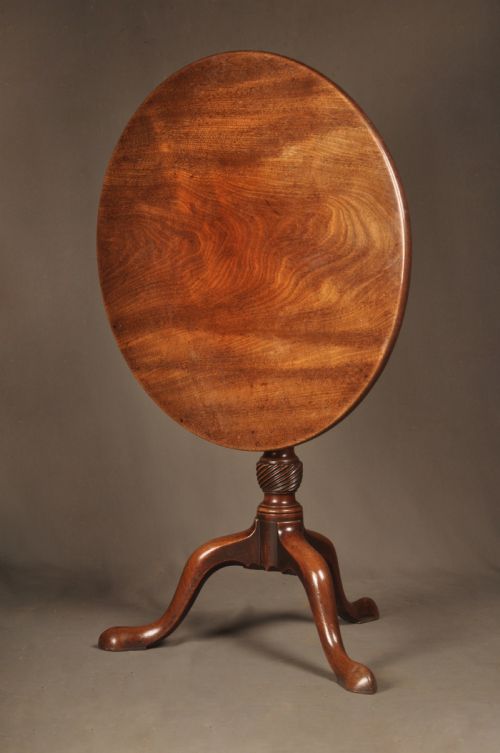
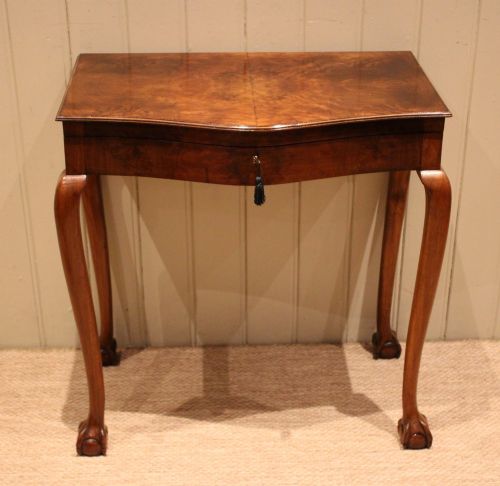
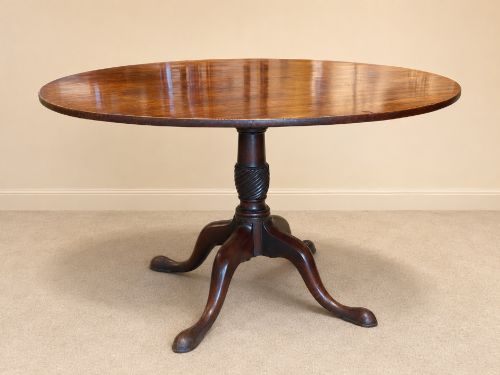
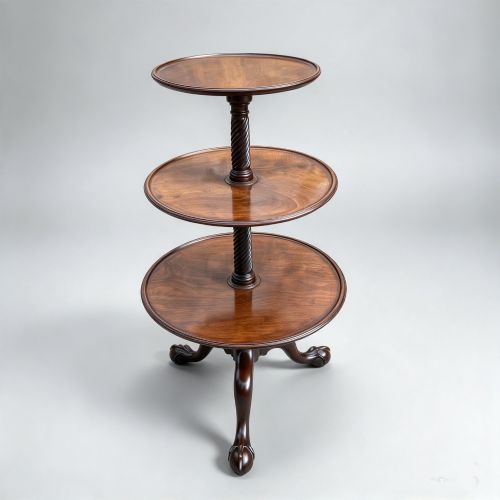
A georgian brown table encompasses a variety of domestic forms produced during the eighteenth and early nineteenth centuries, predominantly constructed from dark timbers like mahogany and oak. Buyers searching for a georgian brown table typically encounter side tables, tripod wine tables, card tables, and dining pieces originating from the Georgian, George III, and Regency periods.
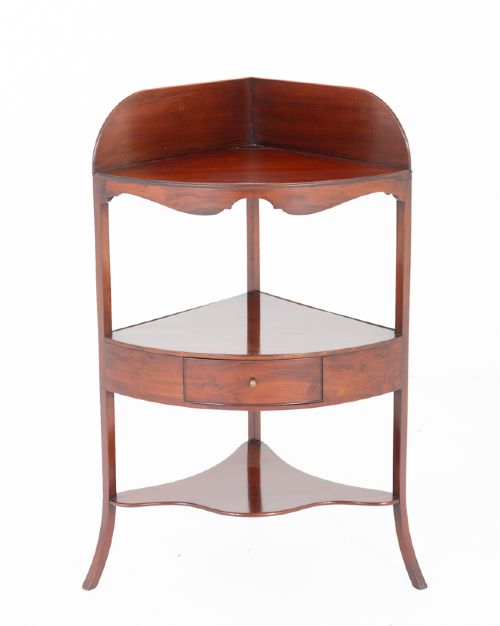
The pieces on this page range from compact occasional tables and bedside cabinets to larger breakfast and centre tables. Many exhibit classic stylistic traits such as tripod bases, demi-lune shapes, and occasional use of flame mahogany veneer or satinwood stringing.
While authentic eighteenth-century examples feature alongside later nineteenth-century interpretations and Georgian Revival pieces, the core of the selection remains grounded in traditional British cabinetmaking. These tables served diverse functions in period homes, from serving tea and holding lamps to providing surfaces for writing and card games.
Materials and construction methods
Cabinetmakers relied heavily on solid mahogany and oak for structural integrity, often enhancing visual depth through the application of flame mahogany veneer, satinwood, and boxwood inlay. Secondary timbers such as elm and fruitwood appear in specific regional or vernacular pieces, while brass fittings provide functional hardware for drawers and tilt-top mechanisms.
Joinery techniques prioritised durability, utilising mortise and tenon joints alongside dovetails for drawer construction. Turning, carving, and veneering required precise hand tools, resulting in smooth tripod pedestals, elegant sabre legs, and finely moulded edges.
Georgian Brown Table Retail Price Guide 2026
Typical asking prices for georgian brown table among the pieces listed under this phrase on Sellingantiques today, from the lower quarter to the upper quarter. They describe what is for sale here now, not the wider market.
Many a polite eighteenth-century card game relied on these folding tables to keep counters steady and gossip flowing.
Factors distinguishing quality
Quality in a georgian brown table is largely determined by the selection of timber and the precision of the cabinetmaker's joinery. Superior examples display carefully matched veneer grains, substantial solid secondary woods, and crisp, hand-carved details on legs and aprons rather than cast resin or machine profiling.
The Georgian Brown Table Glossary
- Tripod table
- A small occasional table supported by a central pillar resting on three spreading feet. These pieces were easily moved around a drawing room for various domestic tasks.
- Demi-lune
- A half-moon shape characteristic of side and card tables designed to sit flush against a wall. This profile allowed makers to save floor space while providing a decorative surface.
- Flame mahogany veneer
- A thin slice of mahogany timber cut from the fork of the tree to create a distinctive, flickering flame pattern. Cabinetmakers applied this to prominent surfaces like table tops for decorative effect.
- Lowboy
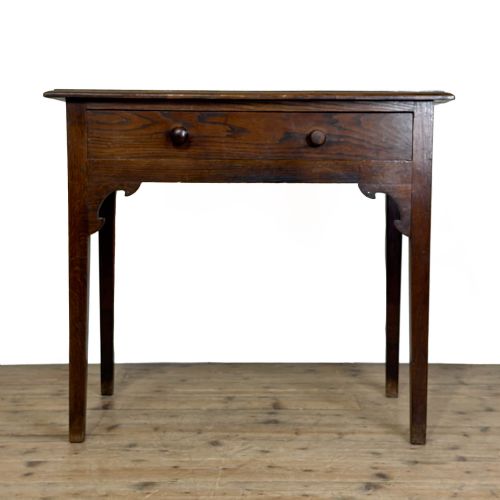
- A small low table with one or more drawers, often used as a dressing table or side table during the eighteenth century. They typically feature elegant cabriole or straight legs.
- Pembroke table
- A drop-leaf table with hinged flaps on either side, introduced in the eighteenth century for breakfast or occasional use. The design often incorporates a single drawer and slender legs.
Georgian Brown Table: Frequently Asked Questions
How do I care for a vintage wooden surface?
Maintain the timber by applying a quality beeswax polish periodically and avoiding direct placement near heat sources or strong sunlight. Regular dusting with a soft, dry cloth preserves the natural lustre of the finish.
Prevent moisture rings by using coasters and immediately wiping away spills. Gentle handling ensures the historic polish and underlying wood remain undamaged over time.
Where were these tables placed in period homes?
These tables served flexible roles throughout the house, positioned beside seating areas for drinks or books, or placed against hallways and drawing room walls. Card tables and breakfast pieces were brought into the centre of rooms as needed.
Smaller tripod and wine tables moved easily from room to room depending on the household activity. Larger dining and centre tables remained anchored in formal reception spaces.
What is the difference between side and centre tables?
Centre tables are finished on all sides because they stood freely in the middle of a room, often used for displaying decorative objects or serving breakfast. Side tables feature a finished front and flat back designed to stand directly against a wall.
Examining the back edge of the timber and the finish of the rear apron clarifies the intended placement. Centre tables require balanced craftsmanship around the entire perimeter.