


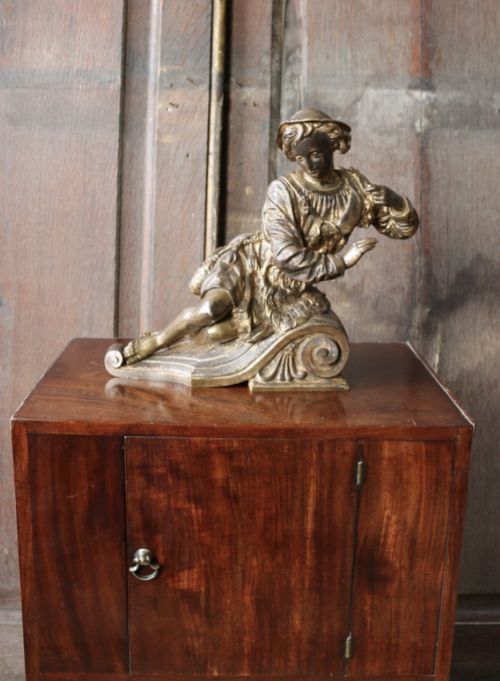


Georgian Bronze Figures
Georgian bronze figures bring substantial weight and classical presence to a room, offering enduring craftsmanship from earlier centuries.
Georgian Bronze Figures
When searching for georgian bronze figures, buyers encounter a diverse selection of sculptural metalwork spanning the eighteenth and nineteenth centuries. These pieces encompass decorative statuettes, animal figures, and figural components integrated into functional items.
The objects on this page frequently appear as standalone sculptures or as functional pieces such as candlesticks, lamps, and doorstops. Examples include mythological figures like Neptune, animal representations such as lions, and classical motifs typical of the period.
Origins and stylistic influences extend across British production and continental designs, notably French Rococo and Neoclassical styles acquired during the Grand Tour. Buyers are most likely to meet patinated bronze, gilt bronze, and ormolu variants among the current listings.
How they were made
The creation of these metal objects relied on traditional casting techniques using bronze, brass, and gilt bronze, often supplemented by ormolu finishes. Artisans shaped the molten metal to capture fine anatomical details in figures such as lions, human statuettes, and mythological deities.
Many of the listed items combine bronze with other media, integrating porcelain elements like Meissen musicians or mounting figures onto candelabra and lamp bases. Surface treatments range from dark patination to fire gilding, creating rich tonal contrasts across the forms.
Georgian Bronze Figures Retail Price Guide 2026
Typical asking prices for georgian bronze figures among the pieces listed under this phrase on Sellingantiques today, from the lower quarter to the upper quarter. They describe what is for sale here now, not the wider market.
Listings feature 18th century, 19th century, Regency, and Georgian periods alongside materials including bronze, gilt bronze, ormolu, brass, plaster, glass, porcelain, and enamel.
What varies in quality
The integration of mixed materials also influences the character of a piece, particularly where bronze or ormolu interacts with porcelain components or classical stone bases. Preservation of the original patination and gilding remains a primary indicator of historical integrity.
Humphrey Hopper
The Georgian Bronze Figures Glossary
- Ormolu
- Gilt bronze, where a finely ground high-carat gold mercury amalgam is applied to a bronze base. This technique creates a rich golden finish characteristic of decorative objects from the period.
- Patinated bronze
- Metal that has been treated chemically or naturally to darken the surface and create a specific tone. It protects the metal while highlighting the sculptural contours.
- Grand Tour
- A traditional trip through Europe undertaken by upper-class young men to absorb classical culture. It resulted in the acquisition of small bronzes and classical statuary.
- Neoclassical
- A Western cultural movement drawing inspiration from the classical art and culture of ancient Greece and Rome. This style heavily influences the proportions and subjects of many figures.
Georgian Bronze Figures: Frequently Asked Questions
What are georgian bronze figures?
Georgian bronze figures are cast metal sculptures and figural decorative objects produced during the eighteenth and early nineteenth centuries. They encompass small statuettes, animal representations, and decorative mounts.
These pieces reflect the aesthetic tastes of the Georgian and Regency eras, often drawing on classical mythology and Grand Tour influences.
How were these figures used originally?
Many figures served a decorative purpose on mantelpieces, tables, or within cabinetry as works of art. Others were incorporated into functional items such as candlesticks, lamps, and doorstops.
Their dual role as decorative art and functional objects made them popular additions to refined domestic interiors.
How do I live with bronze figures?
Bronze figures require stable indoor environments away from excessive moisture to preserve their metal patination and gilding. Placing them on secure surfaces ensures their weight is safely supported.
Regular, gentle dusting with a soft, dry cloth maintains the surface without disturbing the historical finish.
How do I tell periods apart?
Distinguishing periods relies on identifying stylistic markers such as Neoclassical restraint versus the more ornate curves of French Rococo. Materials like ormolu, patinated bronze, and integrated porcelain components help anchor a piece within the eighteenth or nineteenth century.
Examining the casting quality and mounting techniques also provides clues regarding the date of manufacture.