





Georgian Brass Taper Holders
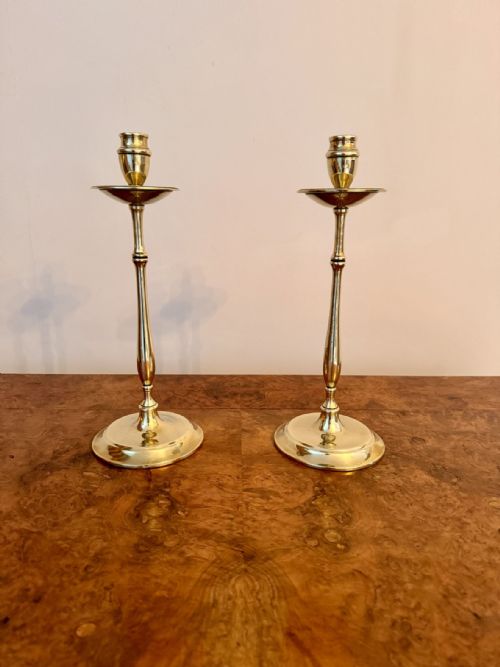
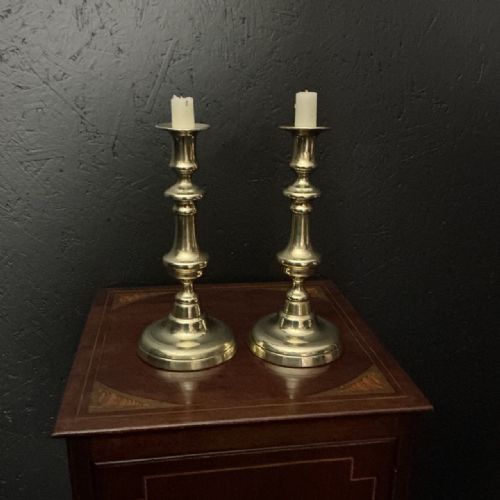
These georgian brass taper holders provide an elegant flame for sealing wax and desks, bringing period character to any mantelpiece.
Georgian Brass Taper Holders
Georgian brass taper holders sit within the broader category of candlesticks, designed specifically for smaller wax tapers used in correspondence and lighting. When you search for georgian brass taper holders, you encounter compact lighting pieces intended for desks and writing tables rather than large room illumination.
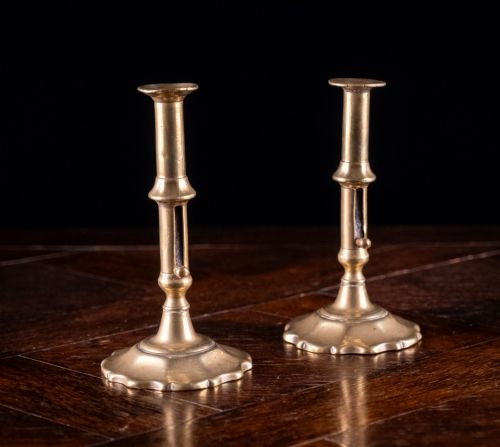
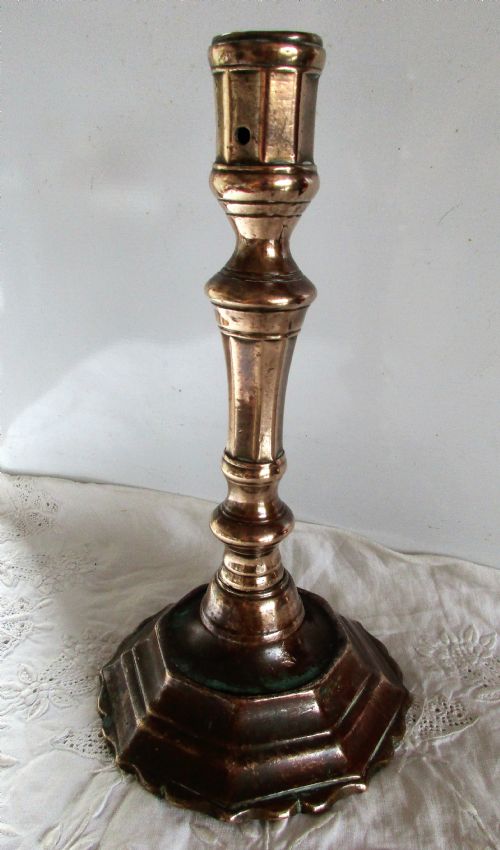
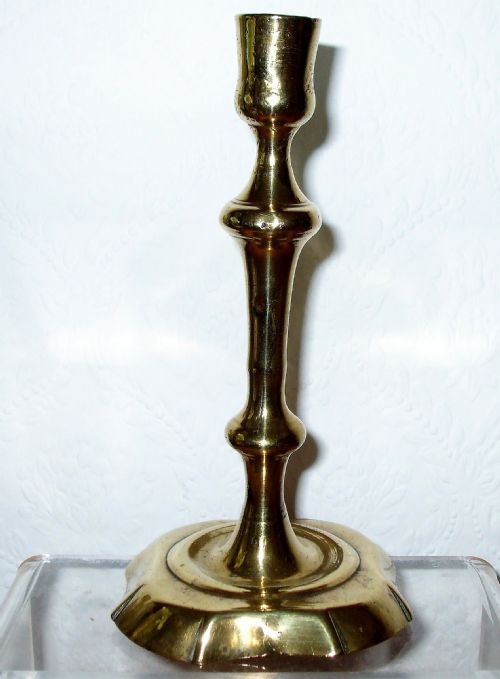
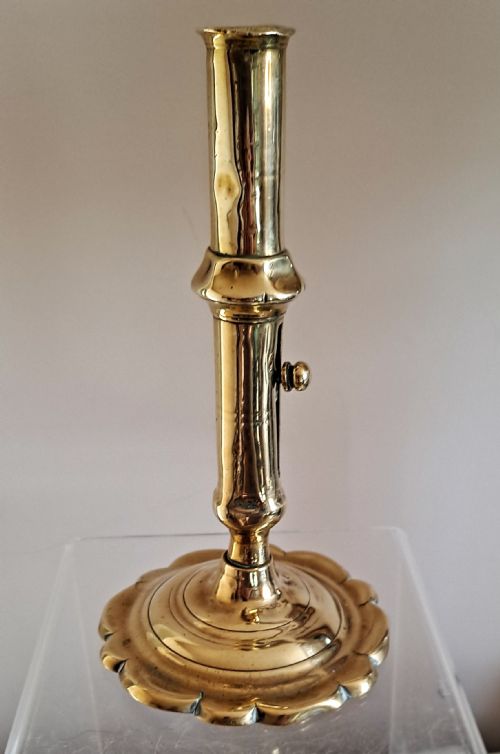
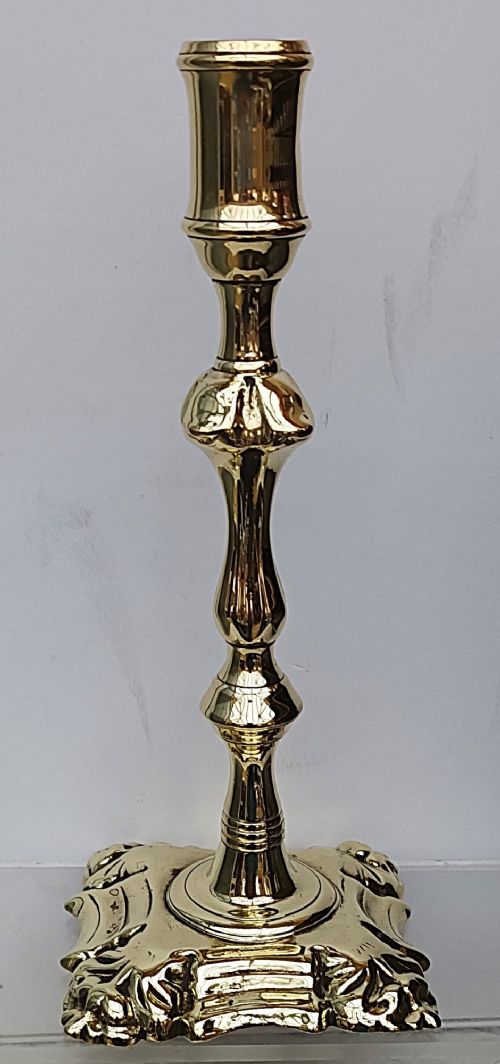
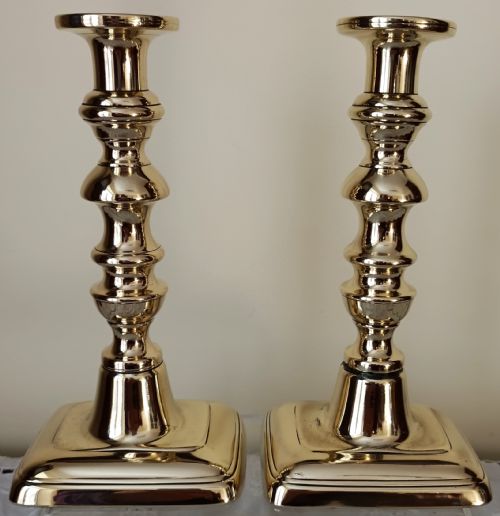
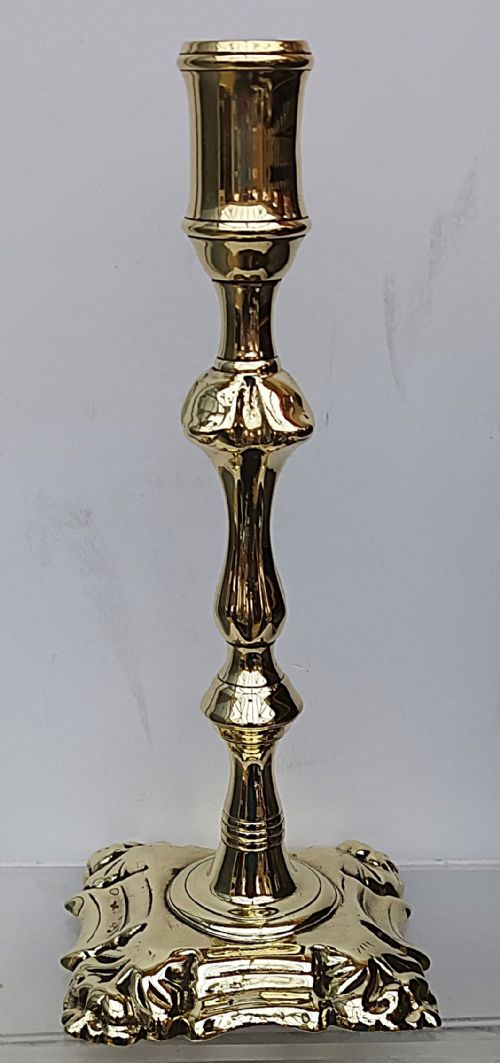
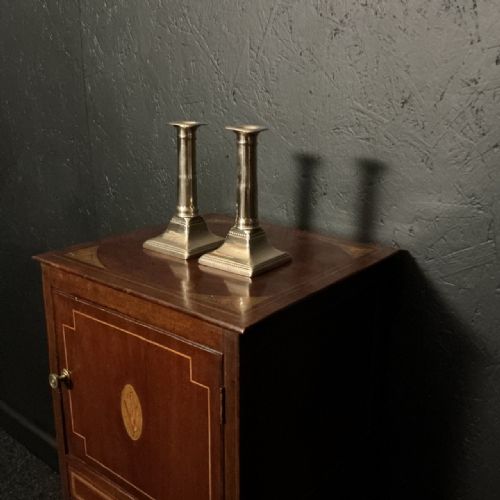
The selections on this page span the eighteenth and nineteenth centuries, incorporating specific reigns like George II and George III alongside the Regency period. Formats range from simple column designs to petal bases and scalloped edges.
Makers and workshops utilised various metals, producing examples in cast brass, gunmetal, and bronze. These pieces reflect the domestic habits of the period, offering both functional utility and refined proportion.
How they were made
Foundries manufactured these items primarily through casting methods, utilising brass, bronze, and gunmetal alloys. Molten metal poured into moulds created the characteristic weight and structural integrity seen in column and socket formations.
Many examples incorporate seamed construction, where components were formed separately and joined together. Later finishing involved turning on a lathe to refine surfaces and create distinct mouldings along the stem.
Georgian Brass Taper Holders Retail Price Guide 2026
Typical asking prices for georgian brass taper holders among the pieces listed under this phrase on Sellingantiques today, from the lower quarter to the upper quarter. They describe what is for sale here now, not the wider market.
Some seventeenth-century ancestors of these holders likely lit the very rooms where people debated whether to tax tea.
What varies in quality
Quality rests upon the crispness of the casting and the retention of original surface detail. Finer examples display sharp definition in petal bases and well-defined mouldings without excessive smoothing from past cleaning.
Proportion and weight also dictate superiority, with better pieces demonstrating balanced forms and substantial metal thickness. The presence of working ejector mechanisms adds another dimension of mechanical execution.
J.T. & Co·J. Miller
The Georgian Brass Taper Holders Glossary
- Petal base
- A foot moulding shaped like overlapping flower petals, frequently seen on mid-eighteenth-century examples. This form adds stability and decorative flair to the base.
- Ejector mechanism
- An internal push-rod system designed to lift remaining candle stubs out of the socket. This practical device became common in mid-eighteenth-century production.
- Column candlestick
- A lighting form featuring a classical column shaft supporting the drip pan and socket. These designs draw inspiration from architectural orders.
- Seamed brass
- Metal components formed from rolled sheet or joined castings, visible through distinct vertical seams. This method preceded advanced one-piece casting techniques.
Georgian Brass Taper Holders: Frequently Asked Questions
How do I use these holders?
These small holders suit thin wax tapers used for melting sealing wax on letters or providing focused desk illumination.
Place them on a stable surface away from drafts to ensure safe burning during use.
Are these pieces made of solid brass?
Most examples consist of cast brass, bronze, or gunmetal alloys rather than plated base metals.
Heavier specimens indicate solid metal construction through traditional foundry methods.
How do I date an antique brass holder?
Examine the base shape, column profile, and construction methods such as seamed joints or casting marks.
Petal bases and heavy casting typically point towards the mid-eighteenth century.
Can I polish my brass holder?
Light cleaning removes dust and active dirt, but aggressive polishing can strip away aged surface character.
Many collectors prefer retaining a warm, undisturbed patina accumulated over centuries.