






Georgian Brass Sticks
Georgian brass sticks are functional items of domestic lighting and measurement, prized for their clean alloy surfaces and sturdy seventeenth- to nineteenth-century construction.
Georgian Brass Sticks
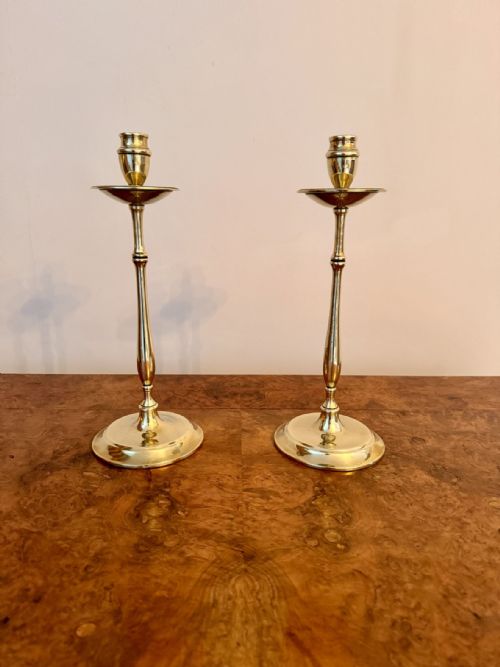
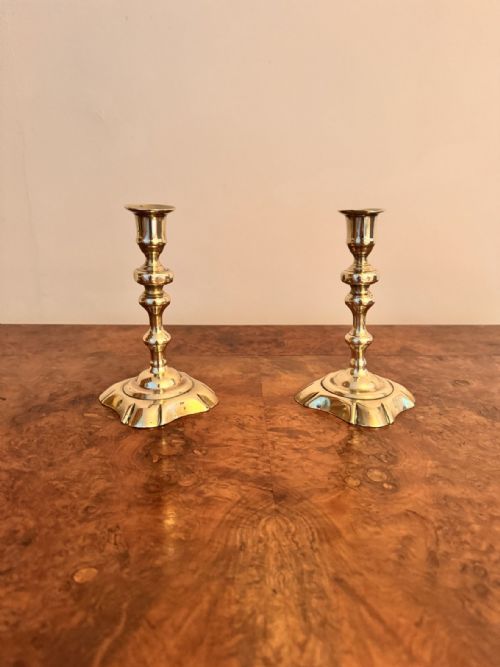
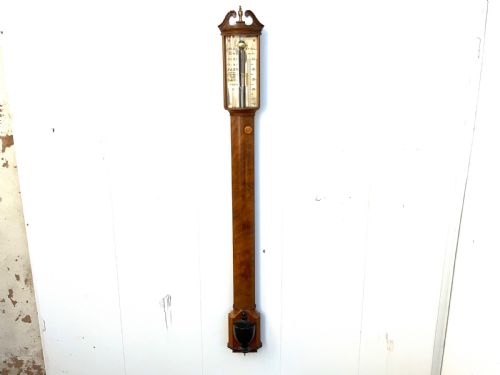
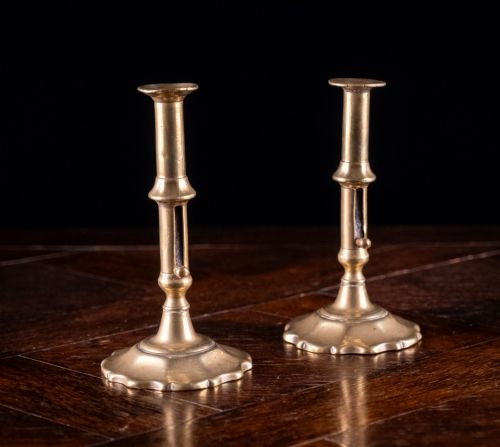
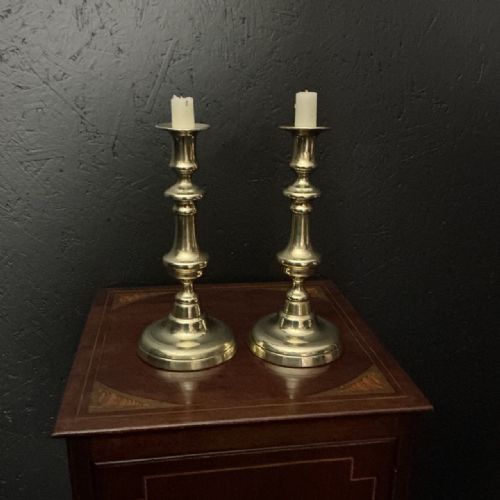
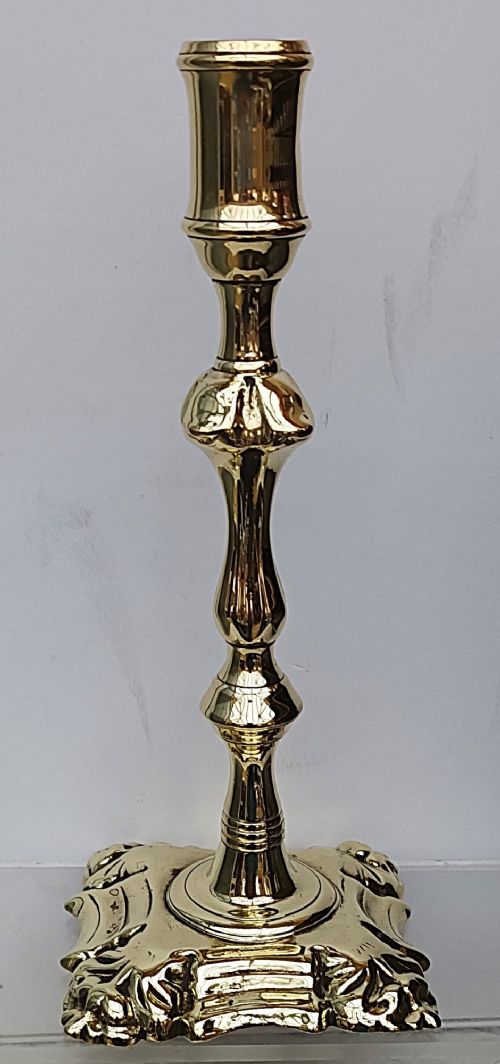
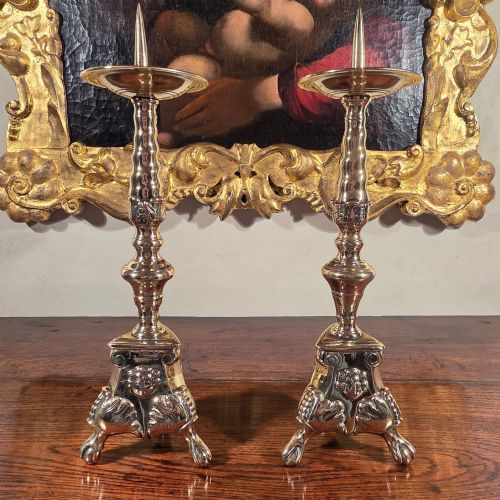
Georgian brass sticks encompass domestic accessories such as candlesticks, chamber sticks, and tall barometers that utilise brass elements alongside timber housings. Buyers searching for georgian brass sticks encounter domestic lighting devices and weather-recording instruments dating from the eighteenth and nineteenth centuries.
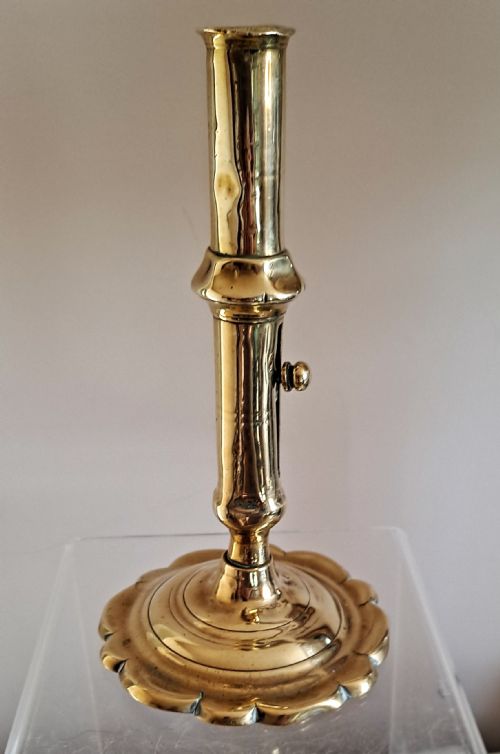
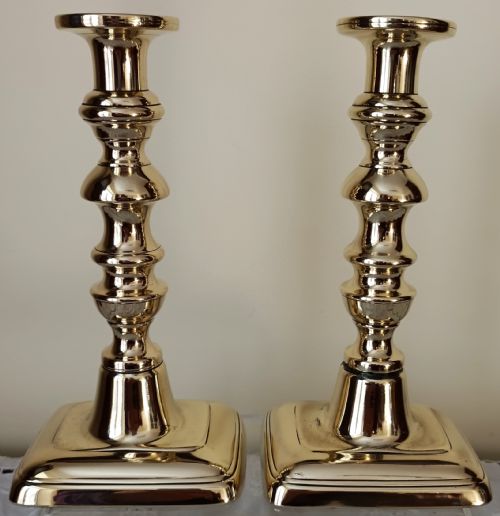
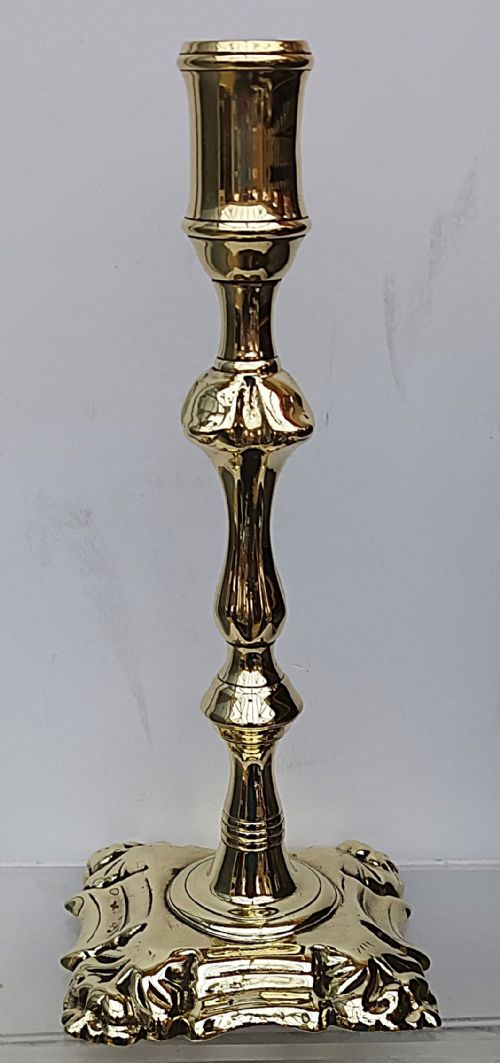
The selections span simple domestic forms alongside decorative pairs influenced by Queen Anne, George II, and Regency styles. Candlestick variants feature petal bases, hexagonal profiles, and telescopic mechanisms, while barometers combine brass dials with mahogany, walnut, and satinwood bodies.
Materials and construction methods
Items in this category rely primarily on sheet and cast brass, occasionally incorporating paktong or silver plate for distinct surface finishes. Barometers and umbrella stands introduce secondary materials including oak, bone, glass, and mahogany.
Makers utilised seaming techniques for tubular stems and casting methods for heavier bases, ensuring structural stability. Timber barometers combine brass bezels and scales with accurately turned wooden cases to house mercury tubes.
Georgian Brass Sticks Retail Price Guide 2026
Typical asking prices for georgian brass sticks among the pieces listed under this phrase on Sellingantiques today, from the lower quarter to the upper quarter. They describe what is for sale here now, not the wider market.
Listings feature georgian brass sticks alongside barometers incorporating mahogany, walnut, and satinwood alongside glass and bone elements.
Distinctions in craftsmanship
Superior examples display crisp casting detail in stylistic motifs such as neoclassical urns or scalloped edges, whereas lesser pieces show smoothed junctions from repeated cleaning. The weight of the metal and the precision of the turned joints differentiate standard production items from fine workshop outputs.
Barometers vary according to the clarity of the engraved brass scales and the integrity of the timber veneer work. Candlesticks achieve distinction through original components, such as operational ejector mechanisms or matching pairs with uniform patination.
J. Miller·Blunt·Prada of High Wycombe·Bate of London·Sandrino of Liverpool·Gilbert London
The Georgian Brass Sticks Glossary
- Ejector candlestick
- A lighting device featuring an internal slide mechanism to push out the remaining wax stub. This invention streamlined candle maintenance in domestic settings.
- Chamber stick
- A low, handheld candlestick fitted with a wide drip pan and a loop handle. These items provided illumination for moving through rooms at night.
- Petal base
- A foot design shaped like overlapping flower petals, frequently seen on eighteenth-century candlesticks. This aesthetic provides both visual breadth and added stability.
- Paktong
- A copper-nickel-zinc alloy resembling silver, utilised for high-status eighteenth-century candlesticks. It offers a bright, silvery finish without requiring plating.
- Stick barometer
- A tall, narrow instrument measuring atmospheric pressure via a vertical mercury column housed in wood. These devices combine functional utility with refined cabinetmaking.
Georgian Brass Sticks: Frequently Asked Questions
How do I identify a true Georgian candlestick?
Examine the construction methods, noting whether the stem is seamed or cast in separate pieces before being joined together. Genuine examples often feature period-specific base designs like petal or hexagonal configurations.
Check for appropriate tool marks and wear patterns consistent with age rather than artificial ageing. Maker marks or patent stamps can also help confirm the production period.
What is a Brighton bun?
A Brighton bun is a compact, portable chamber candlestick designed for travel and bedside use. Its circular brass body resembles the shape of a small baked bun.
These pieces typically feature a removable snuffer and a low profile to prevent tipping on uneven surfaces.
How should I clean antique brass sticks?
Maintain brass sticks by dusting them gently with a soft dry cloth to prevent the accumulation of dirt. Avoid harsh commercial polishes that strip away the historical patination and soften crisp casting details.
If cleaning is necessary, use a mild, non-abrasive cleaner formulated specifically for antique metals, rinsing and drying the surface thoroughly afterward.
Were all stick barometers made of mahogany?
While mahogany is the predominant timber found in these barometers due to its strength and rich grain, other woods were also utilised. Makers occasionally employed walnut, satinwood, or oak depending on the stylistic preferences of the period.
Brass components such as vernier scales and cistern covers were integrated into these wooden housings to measure atmospheric pressure.