


Georgian Brass Shovel
A georgian brass shovel is a hearth essential built for shifting coal and ash, combining durable iron or steel with bright brass work.
Georgian Brass Shovel
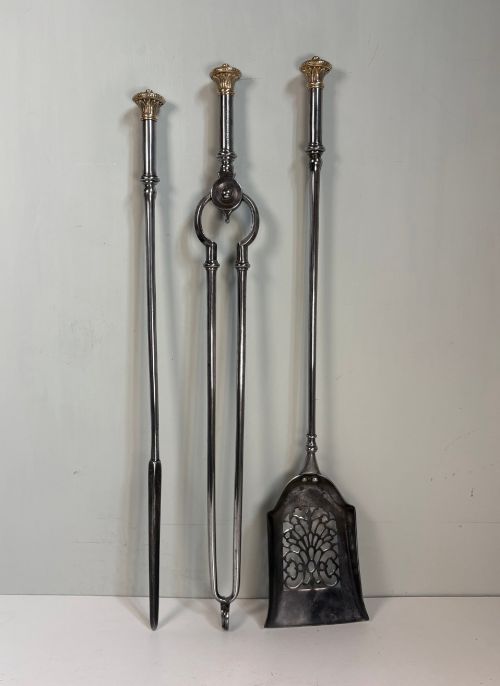
When you search for a georgian brass shovel, you meet essential hearth hardware produced during the eighteenth and nineteenth centuries. These pieces appear as standalone items or as components within broader sets of fire tools.
The objects on this page originate from the Georgian, Regency, and Victorian periods. You encounter shovel heads paired with shafts made of brass, steel, and iron, often accompanied by wooden elements.
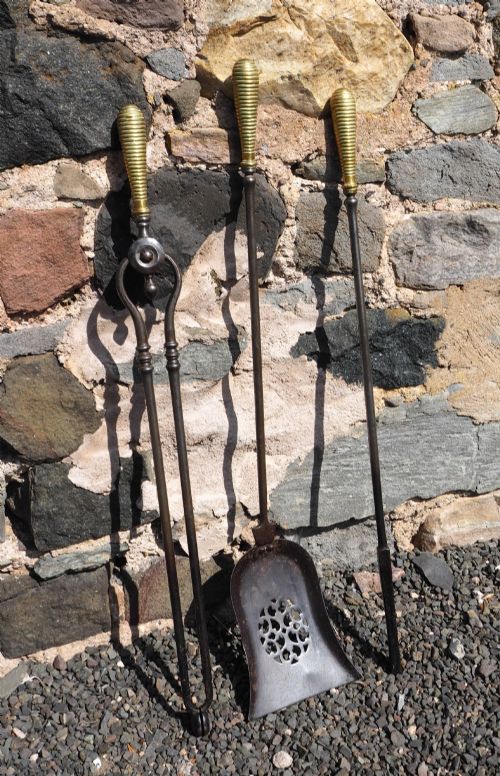
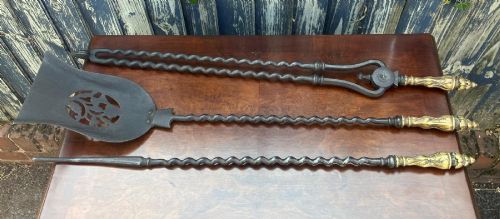
Many examples function as part of a larger fireside suite alongside pokers and tongs. Others arrive alongside coal scuttles and helmet buckets designed to hold fuel near the fireplace.
Materials and construction
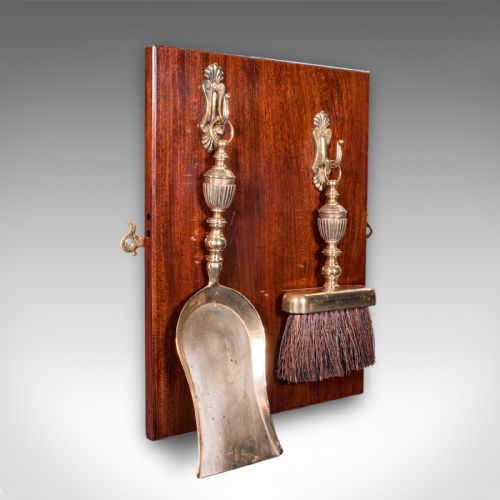
Makers combined robust iron and steel for structural strength with polished brass for visible decorative impact. Gilt brass also appears on select items to provide a richer finish.
Handles incorporate materials such as mahogany and other woods, alongside cast brass ring handles and door knocker grips. Shafts feature turned forms, knopped details, and claw and ball designs.
Shovel blades often show pierced decoration alongside solid brass construction. Blacksmiths and metalworkers joined these components to withstand daily hearth maintenance.
Some shovel handles feature door knocker ring grips, turning hearth maintenance into an impromptu summons.
Evaluating quality and execution
Weight and substance set finer examples apart from lighter utilitarian pieces. Substantial metalwork and solid brass construction indicate better material selection.
The refinement of handles and shafts demonstrates maker skill, from simple turned forms to detailed knopped profiles and pierced shovel blades. Complete sets matching original shovels with pokers and tongs command greater interest.
Condition remains tied to the integrity of the joints between the brass blade and the iron or steel shaft.
The Georgian Brass Shovel Glossary
- Pierced shovel
- A shovel blade featuring cut-out decorative patterns designed to let ash fall through while retaining larger coals.
- Knopped shaft
- A metal shaft featuring decorative swelling nodes or knobs turned into the profile.
- Helmet coal scuttle
- A coal container shaped with a flared rim resembling a classical helmet, frequently paired with a dedicated shovel.
- Claw and ball
- A foot or terminal carved or cast to represent a bird's talon grasping a ball.
- Purdonium
- A box or bin designed for storing household coal beside the fireplace.
Georgian Brass Shovel: Frequently Asked Questions
What is a georgian brass shovel used for?
These shovels served to tend open coal fires, clear out ash, and replenish fuel in the hearth.
They formed part of daily domestic maintenance in period homes alongside pokers and tongs.
How do I date a brass fire shovel?
Dating relies on the manufacturing style, material combinations such as steel and gilt brass, and specific design markers like Regency or George III forms.
Evidence spans the eighteenth and nineteenth centuries through to Victorian production.
Are these shovels sold individually?
You find shovels both on their own and as part of matched fireside sets.
Some arrive paired with coal scuttles or complete suites of fire irons.
What metals are used in these tools?
Construction typically combines brass for the visible elements with iron or steel for functional strength.
Selected pieces incorporate gilt brass or wooden handles made from materials like mahogany.