



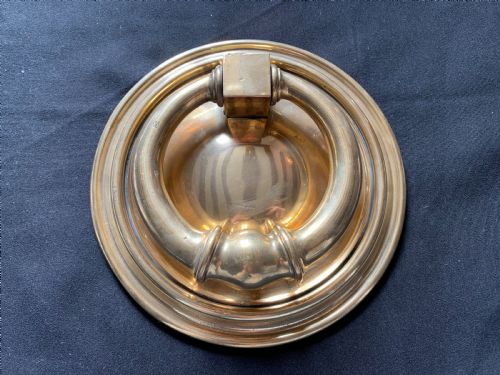


Georgian Brass Fittings
Georgian brass fittings are the period fixtures and hardware that define period rooms, prized for their heavy cast weight and functional grace.
Georgian Brass Fittings
When you search for georgian brass fittings, you are looking at hardware, lighting, and decorative metalwork spanning door knockers, bell pulls, chandeliers, and box mounts. The selection ranges from authentic period examples to later revivals, reflecting the shifts in domestic architecture and interior detail over centuries.
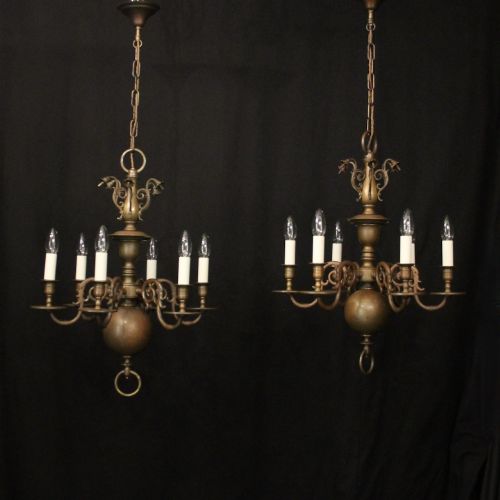
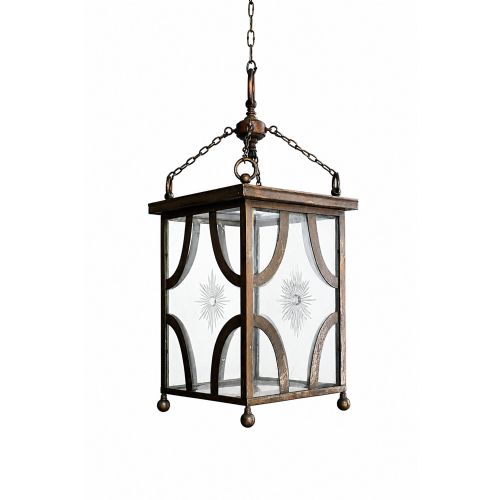
You are most likely to meet door hardware, wall lights, and hall lanterns among these listings, alongside mahogany boxes fitted with period handles and escutcheons. These domestic objects demonstrate how utility and decoration met in everyday Georgian and revival interiors.
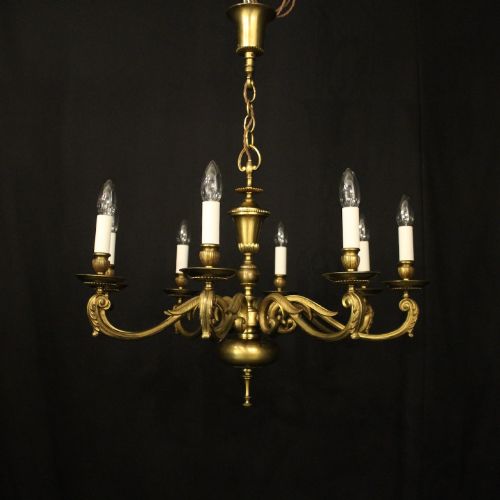
The objects originate from English and Dutch makers, encompassing both utilitarian door pulls and grand multi-branch chandeliers. Each piece illustrates the robust metalwork techniques of its era, whether cast for a grand hallway or fashioned for a domestic tea urn.
How they were made
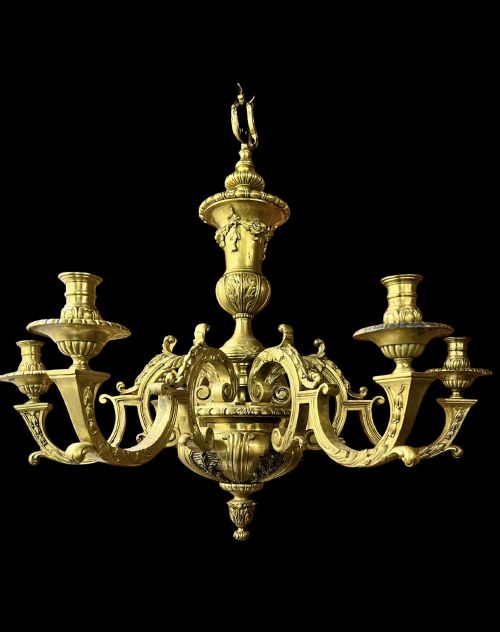
The materials recorded in these pieces rely primarily on brass, solid brass, cast brass, and gilded brass, often paired with mahogany, glass, and bronze. Founders utilised traditional casting methods to shape molten metal into complex hardware, door knockers, and chandelier branches.
Surface finishes vary from polished metal to gilded surfaces and the warm tones of bell metal and copper. Secondary materials like horn and glass appear in specific items, showing the diverse manufacturing traditions of the period and its later revivals.
Listings incorporate materials such as solid brass, bronze, copper, bell metal, glass, and mahogany across various domestic forms.
What varies in quality
The division between standard items and superior examples lies in the crispness of the casting and the depth of the chased detail. Heavier gauge metal and finer hand-finishing distinguish exceptional door hardware and chandeliers from simpler production pieces.
Originality of components also dictates standing, particularly where brass fittings are mounted to mahogany boxes or furniture. Pieces retaining their original fixings and matching mounts carry greater architectural and decorative integrity.
The Georgian Brass Fittings Glossary
- Bell pull
- A mechanical fixture mounted beside a door, connected by wires or cranks to a bell inside the house to summon servants.
- Escutcheon
- A protective plate surrounding a keyhole, often cast in brass to complement related door hardware and furniture mounts.
- Bell metal
- An alloy of copper and tin traditionally used for bells and domestic vessels, valued for its resonant tone and durability.
- Chandelier
- A branched ceiling light fixture designed to hold multiple candles or bulbs, frequently rendered in brass or bronze.
- Bracket
- A projecting architectural support or wall light fixture designed to hold illumination sources securely.
Georgian Brass Fittings: Frequently Asked Questions
What counts as georgian brass fittings?
These pieces include door hardware, bell pulls, knockers, and lighting elements originating from the Georgian era or subsequent revival periods.
They also encompass brass mounts attached to mahogany boxes, tea urns, and other period furnishings.
How were these fittings used?
Door knockers and bell pulls served practical entry functions on period properties, while chandeliers and wall lights illuminated grand rooms.
Smaller brass fittings acted as structural and decorative hardware on boxes, cabinets, and sideboards.
How do I clean brass fittings?
Care depends on the desired finish, though most period pieces benefit from gentle dusting and minimal intervention to preserve patination.
Harsh abrasive polishes remove historic surface character and should be avoided on antique metalwork.
Are these fittings solid brass?
The listings show a combination of solid brass, cast brass, gilded brass, and bronze across different object types.
Heavier items are typically cast, while smaller plates and decorative mounts utilise rolled or stamped sheet brass.
How do I date brass hardware?
Dating relies on manufacturing techniques, fastener types, and stylistic conventions associated with Georgian, Victorian, and Edwardian periods.
Comparison with documented examples helps separate genuine period work from twentieth-century revivals.