





Georgian Brass Fireplace Footman
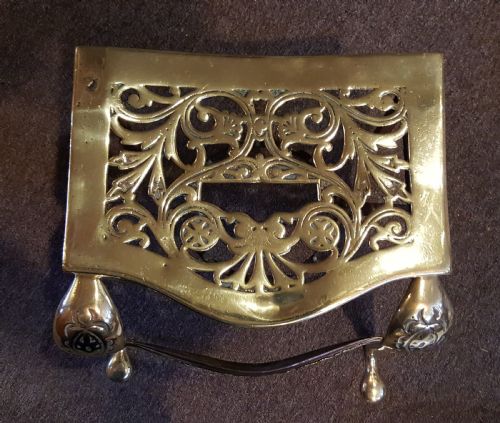
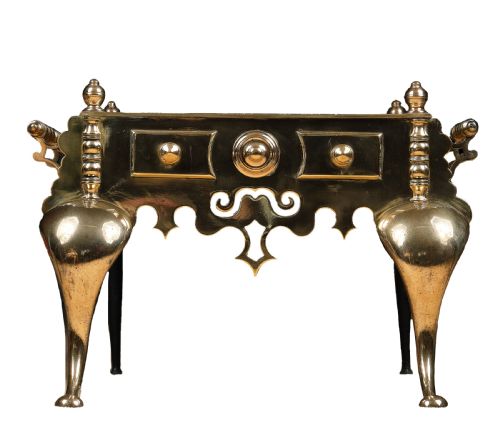
A georgian brass fireplace footman stands ready by the hearth, holding kettles and keeping plates warm above open coals.
Georgian Brass Fireplace Footman
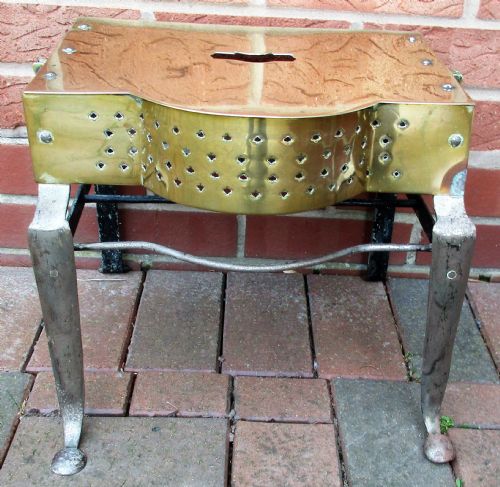
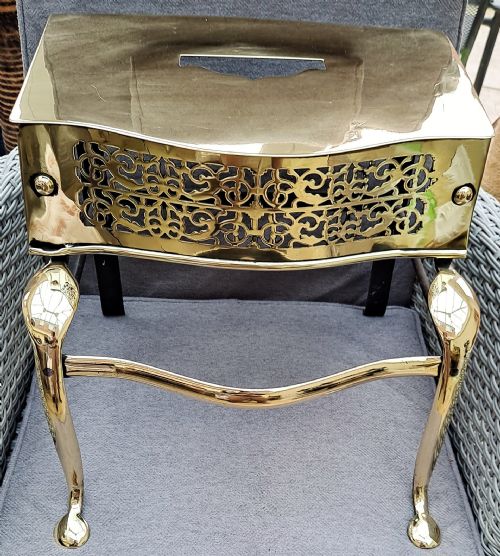
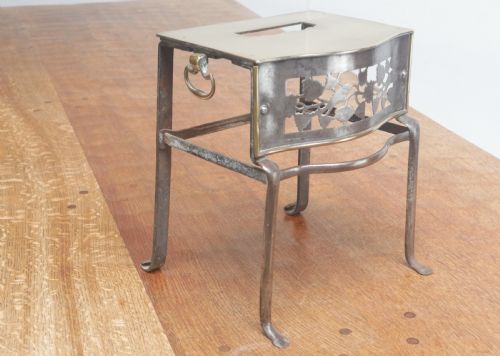
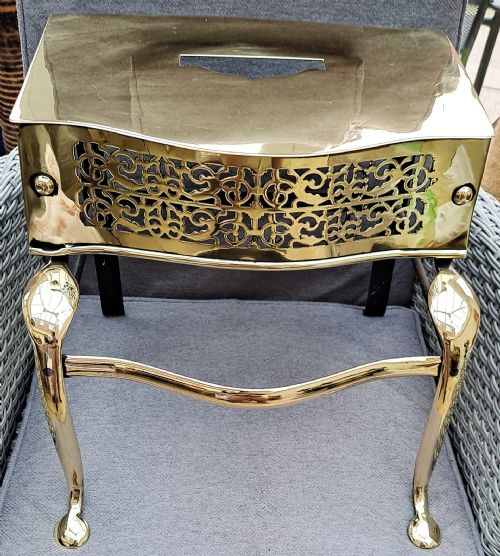
A georgian brass fireplace footman is a traditional hearth accessory designed to sit before an open fire for warming food or heating water. These pieces serve as functional fireside furniture, combining utilitarian iron and steel frames with bright brass work.
Buyers browsing this selection will most frequently encounter English and Welsh examples dating from the eighteenth and nineteenth centuries. The forms range from simple stools with cabriole legs to stepped inglenook warmers intended for heavy daily use.
The objects appear under various descriptions including hearth trivets and fireside footmen, though all share the characteristic low-slung platform supported by sturdy legs. They reflect the domestic interior of the period, offering both utility and a reflective metallic surface near the hearth.
How they were made
Makers constructed each georgian brass fireplace footman using a combination of durable iron and steel for the internal framework that faced the direct heat. Brass sheets and cast components formed the visible top surfaces and skirts, providing both structural resilience and a bright finish.
Blacksmiths and metalworkers shaped the legs and supports by hand, often incorporating cabriole designs or bracket feet to ensure stability on uneven hearth stones. Pierced decoration and hand-beaten panels frequently ornamented the front apron, requiring precise metalworking skills.
Georgian Brass Fireplace Footman Retail Price Guide 2026
Typical asking prices for georgian brass fireplace footman among the pieces listed under this phrase on Sellingantiques today, from the lower quarter to the upper quarter. They describe what is for sale here now, not the wider market.
Listings feature pieces spanning the Georgian, Regency, and Victorian periods, constructed from brass, iron, and steel.
What varies in quality
The standard of a georgian brass fireplace footman depends heavily on the weight of the metal utilised and the integrity of the joints between the steel frame and the brass top. Heavier examples display substantial casting and robust ironwork that withstands centuries of heat exposure without warping.
Refinement in the decorative piercing of the apron and the shaping of the legs distinguishes finer workshop output from simpler utilitarian pieces. Original patination on the brass surfaces and intact structural components indicate careful preservation through successive generations.
The Georgian Brass Fireplace Footman Glossary
- Footman
- A metal stand placed by a hearth to support kettles or plates. This traditional fireside accessory sits close to the coals.
- Trivet
- A small support or platform raised on feet for holding hot vessels. These items work alongside larger hearth furniture to manage cooking pots.
- Inglenook
- A large recessed space around a fireplace designed for seating or warmth. Footmen placed here kept food warm within the main chimney breast.
- Cabriole leg
- A curved furniture support that bends outward and then tapers inward to a foot. This style appears frequently on eighteenth-century metal stands.
- Patina
- The surface sheen developed on metal through age and handling. This natural layer confirms the antiquity of the brass and steel.
Georgian Brass Fireplace Footman: Frequently Asked Questions
What is a georgian brass fireplace footman used for?
A georgian brass fireplace footman served as a movable stand placed near the open hearth to warm plates, heat water in kettles, or keep food warm before serving. The elevated metal platform positioned items safely close to the coals without burying them in the fire.
These accessories formed a standard part of the domestic kitchen and parlour setup during the eighteenth and nineteenth centuries. Servants and family members utilised them to manage meals efficiently around the main heating source of the home.
How do I tell an 18th-century piece from a 19th-century one?
Distinguishing periods relies on observing the methods of construction, the thickness of the brass sheet, and the style of the legs. Earlier pieces often display simpler, hand-forged iron frames paired with heavier cast brass tops.
Nineteenth-century examples frequently incorporate machine-rolled steel and standardised piercing patterns on the aprons. Examining the wear patterns on the feet and the underside provides further clues to the age of the metalwork.
Can I use a footman by an active fireplace?
Using a georgian brass fireplace footman by an active fire remains entirely possible since the iron and steel frames were built precisely for that environment. The materials withstand high heat, though modern users often place them near gas or electric hearths for decorative effect.
Regular exposure to open flames requires careful cleaning to prevent soot accumulation on the brass surface. Maintenance involves gentle polishing to preserve the historic metal finish without removing the underlying patina.
Where were these footmen typically made?
Many surviving examples originated in English and Welsh workshops where metalworking trades flourished during the Georgian and Victorian eras. Regional variations appear in items specifically attributed to Welsh makers from the nineteenth century.
Local blacksmiths and brass founders produced these pieces to supply domestic households and larger estates. The materials reflect local industrial output, combining regional iron with traded brass components.