





Cabriole Leg Brass Trivet
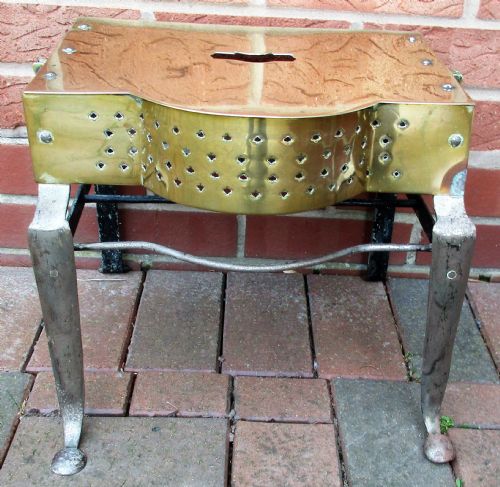
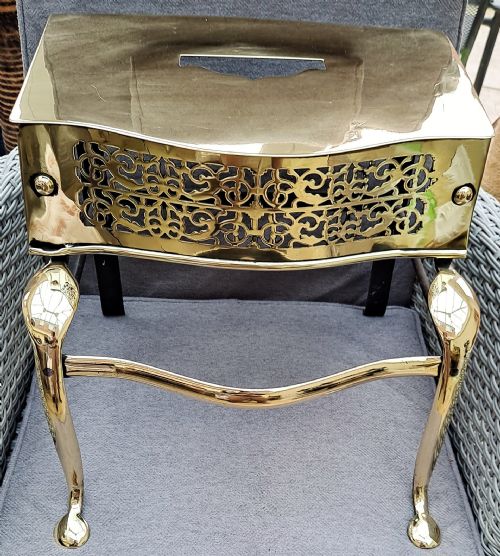
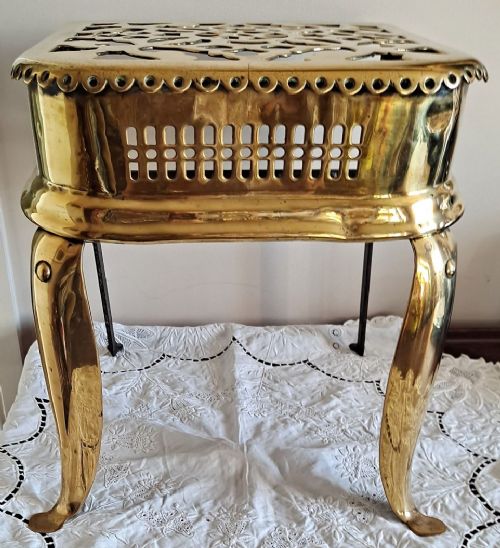
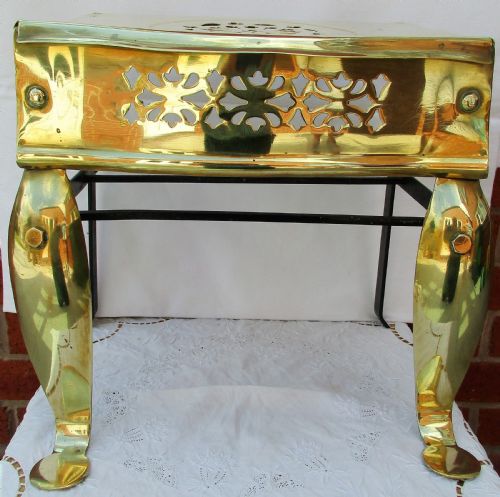
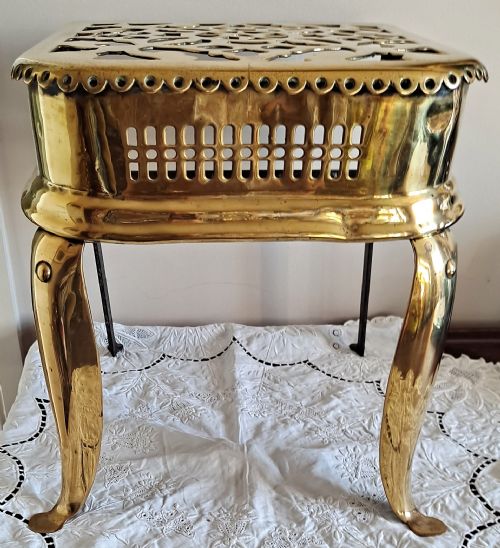
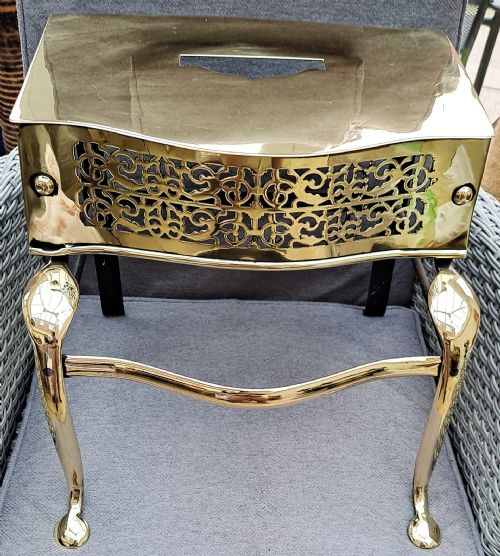
These cabriole leg brass trivet pieces are hearth footmen and fireplace plate warmers that elevate your fireside arrangement with period brass and steel construction.
Cabriole Leg Brass Trivet
When you search for a cabriole leg brass trivet, you encounter English fireplace accessories from the Georgian, Regency, and Victorian periods. These pieces serve primarily as hearth footmen or inglenook fireplace warmers designed to sit near the fire. Most examples on this page date from the nineteenth century and combine brass elements with steel components.
The dominant forms span hearth trivets and footman stools featuring the characteristic curved legs indicated in the search phrase. English makers produced these items to stand beside domestic hearths for warming plates or vessels. You find them described variously as footmen, plate warmers, and porter stools in the listings.
How they were made
The construction relies on a combination of brass and steel materials shaped into sturdy hearth accessories. Workshops utilised durable iron elements alongside polished brass surfaces to withstand the heat of open coal or wood fires. Metalworking techniques of the eighteenth and nineteenth centuries combined cast and wrought components to achieve the distinctive leg shapes and flat tops.
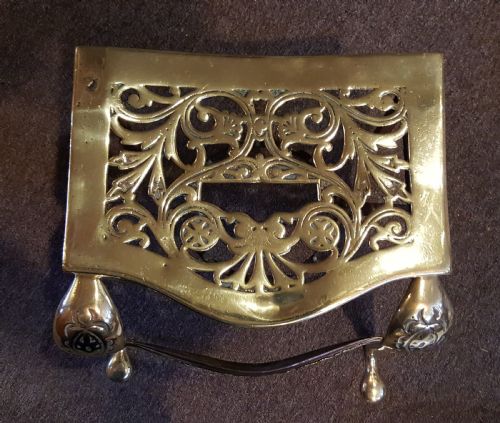
Makers formed the characteristic legs with outward curves that terminate in pad or hoof feet to ensure stability on uneven hearth stones. The tops consist of heavy brass plates, often pierced with decorative cut-outs, secured to robust steel or iron frames.
Cabriole Leg Brass Trivet Retail Price Guide 2026
Typical asking prices for cabriole leg brass trivet among the pieces listed under this phrase on Sellingantiques today, from the lower quarter to the upper quarter. They describe what is for sale here now, not the wider market.
These sturdy footmen spent centuries sitting dangerously close to roaring hearths, warming tea while enduring soot and stray sparks.
What varies in quality
Quality in these hearth accessories rests on the weight of the metal and the crispness of the casting. Heavier examples demonstrate substantial brass thickness and robust steel frames that reflect superior domestic utility. Finer pieces display carefully finished surfaces and well-proportioned curves on the supports rather than hasty casting.
The complexity of the pierced work on the top plate also distinguishes standard items from superior specimens. Better examples exhibit balanced proportions and clean joinery between the brass top and the supporting iron structure.
The Cabriole Leg Brass Trivet Glossary
- Footman
- A metal stand placed before a fire to keep food or plates warm. These hearth accessories typically feature four legs and a flat top plate.
- Trivet
- A small support appliance raised on feet, used in fireplace settings for heating vessels or warming food items. They share functions with footmen.
- Cabriole leg
- A furniture leg that curves out and then in, resembling the leg of an animal. This style provides stable support for hearth furniture.
- Inglenook
- The recess surrounding a fireplace where these metalwarmers traditionally stood. It denotes the functional placement near the domestic hearth.
Cabriole Leg Brass Trivet: Frequently Asked Questions
What is a cabriole leg brass trivet used for?
These pieces functioned historically as plate warmers and hearth footmen placed beside open fires in English homes. They held kettles or food dishes close to the heat.
Today, collectors use them as decorative fireplace accessories or standalone display stands in period interiors.
How do I identify a Georgian trivet?
Georgian pieces date from the eighteenth century through the early nineteenth century, reflecting the prevailing neoclassical or early Regency design idioms. They often display robust brass tops paired with iron frames.
Examine the weight of the metal and the form of the curved legs to determine whether a piece aligns with Georgian or Victorian manufacturing standards.
Are these items made entirely of brass?
Most pieces combine brass with steel or iron components. The visible top plate and legs typically feature brass, while internal frames often utilise stronger ferrous metals.
This mixed-metal construction provided the necessary strength to support heavy cookware near intense hearth heat.
How should I clean a brass footman?
Maintain the surface using a soft cloth to remove dust and soot accumulation from fireside placement. Avoid harsh abrasives that strip away historic patination.
Allow the metal to retain its natural ageing, as collectors value the mellow tones acquired over centuries of domestic use.