



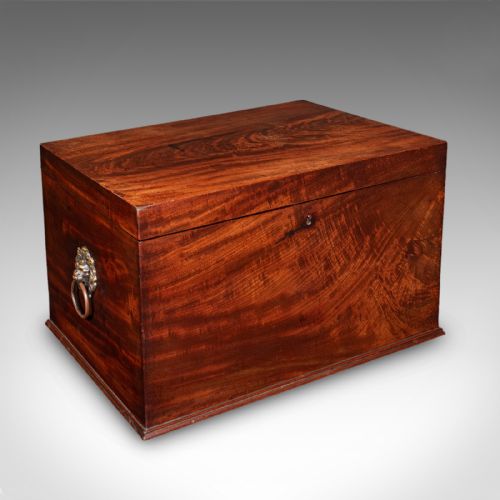

Georgian Box with Handle
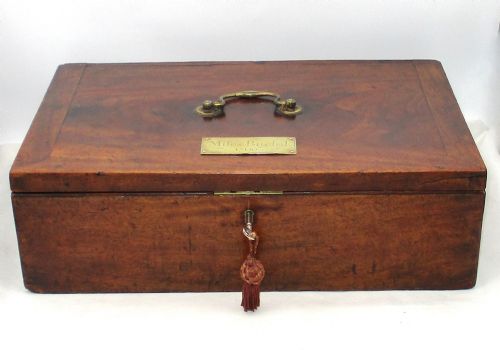
A georgian box with handle is a sturdy piece of period storage built to shift from room to room.
Georgian Box with Handle
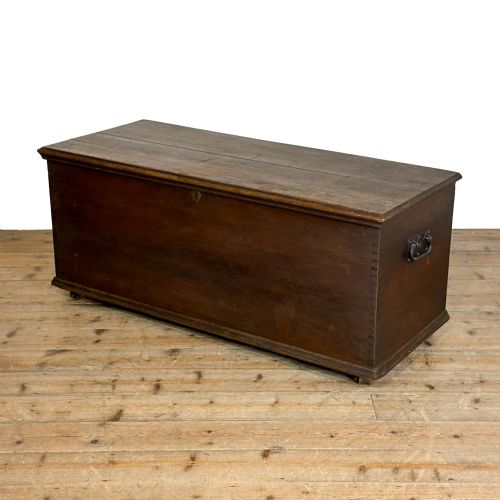
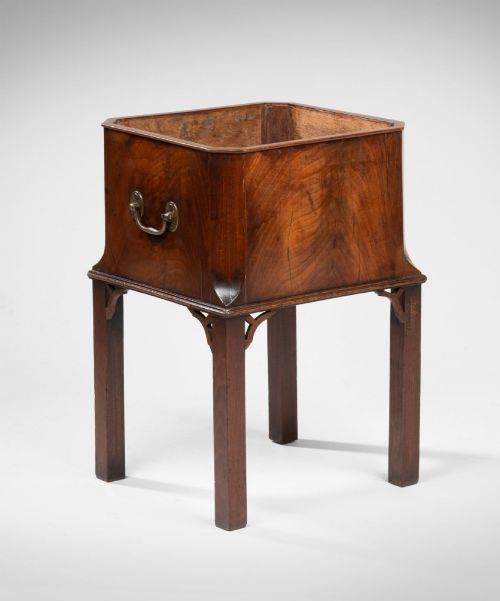
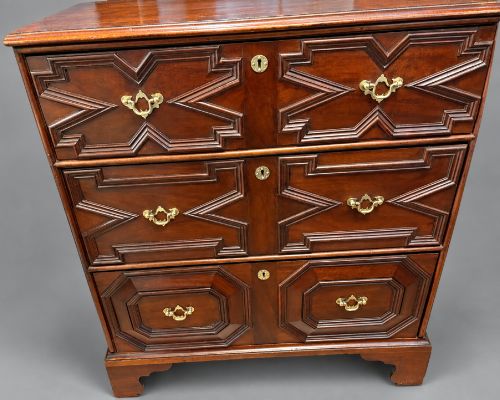
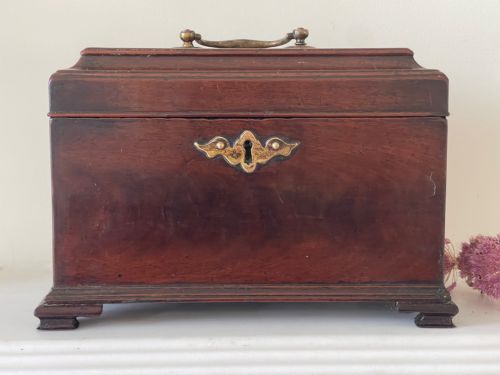
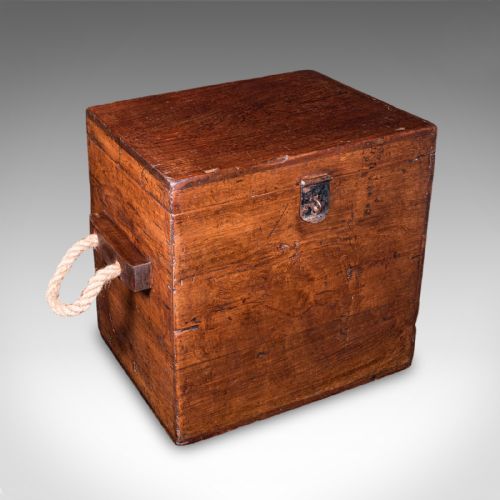
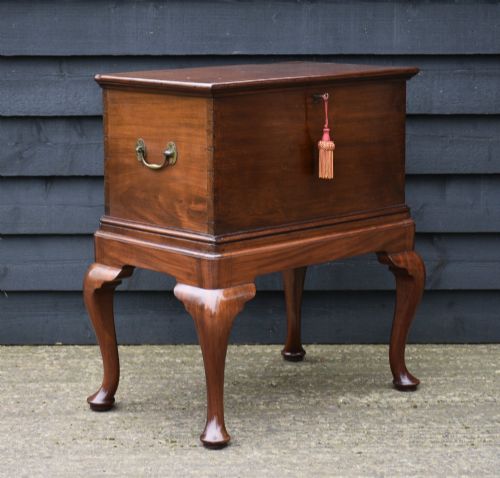
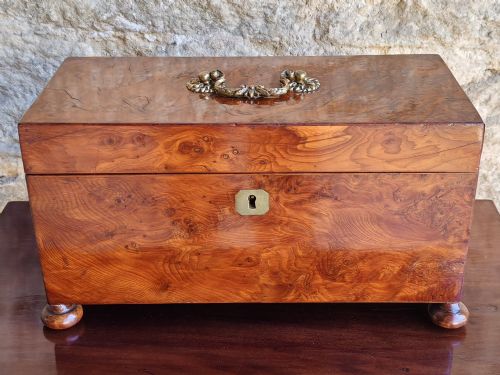
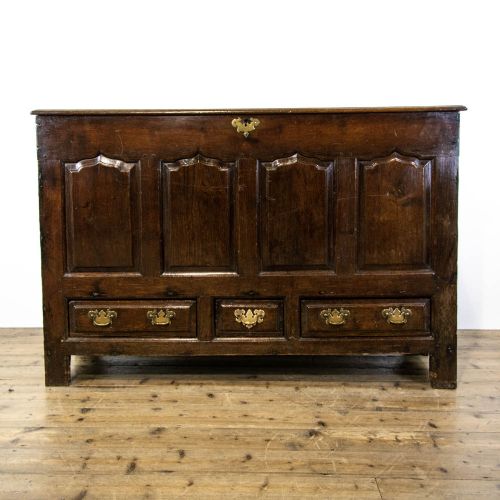
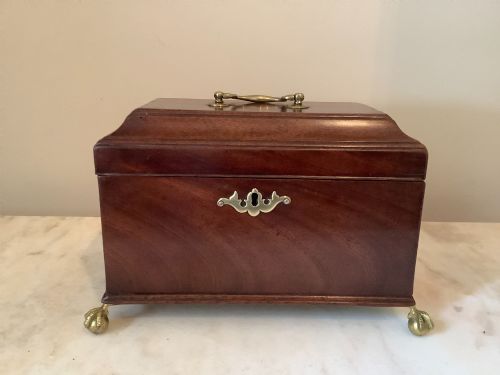
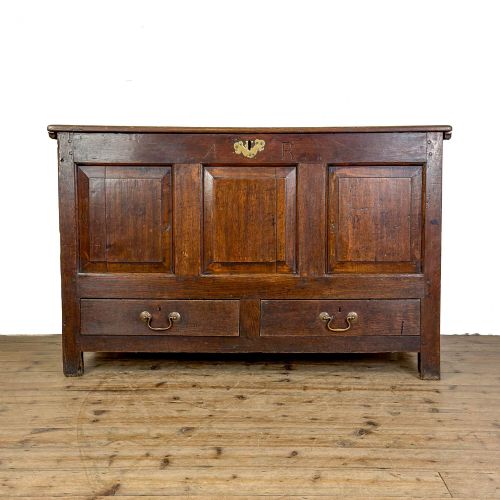
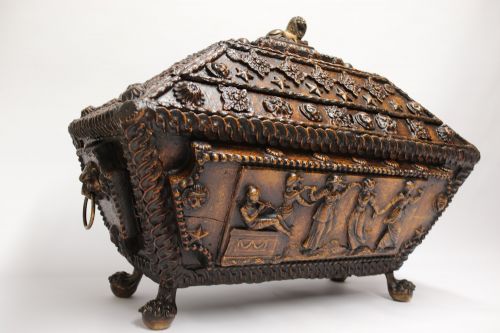
When you search for a georgian box with handle, you are looking at practical utilitarian containers designed for everyday storage and transport in period homes. These pieces range from compact tea caddies and stationery boxes to large mule chests and blanket trunks fitted with carrying grips.
You are most likely to meet oak and mahogany examples spanning the eighteenth and nineteenth centuries, often featuring functional interior drawers or divided compartments. The forms reflect the domestic habits of the era, combining secure storage with the mobility required by large households.
Construction and Materials
Cabinet makers relied heavily on native oak and imported mahogany, joining panels with traditional framing methods to withstand heavy domestic use. Metal hardware such as brass carrying handles and iron strapwork were fitted securely to bear the weight of the contents.
Finer desk and tea boxes frequently incorporate delicate wood inlay and fitted interior compartments lined for delicate items. Larger trunks and mule chests rely on robust plank construction, often displaying exposed joinery and hand-wrought hinges.
Georgian Box with Handle Retail Price Guide 2026
Typical asking prices for georgian box with handle among the pieces listed under this phrase on Sellingantiques today, from the lower quarter to the upper quarter. They describe what is for sale here now, not the wider market.
Music canterbury handles were apparently designed for sweeping the floor beneath without bending down.
Assessing Quality and Build
The distinction between standard utility items and finer pieces lies in the selection of timber and the precision of the joinery. Figured mahogany veneers and crisp inlay work signal a piece intended for formal rooms rather than utilitarian service.
Original hardware and untouched interior fittings elevate a box, whereas replacement handles and stripped surfaces alter the historical integrity. The proportion and balance of the handles relative to the body determine the visual success of the design.
The Georgian Box with Handle Glossary
- Mule chest
- A storage chest featuring one or more drawers at the base beneath the main compartment. This form bridges the gap between the traditional blanket chest and the modern drawer unit.
- Tea caddy
- A small box designed specifically for storing dry tea leaves securely under lock and key. These containers often contain internal metal canisters or glass mixing bowls.
- Stationery box
- An upright desk accessory built to organise writing paper, envelopes and correspondence. They typically feature sloping lids or tiered internal partitions.
- Canterbury
- A low stand fitted with vertical divisions for holding sheet music or books. Examples often incorporate a central carrying handle for mobility between rooms.
- Wood inlay
- The technique of embedding contrasting strips of timber into the primary surface to create decorative patterns. It requires high precision from the cabinet maker.
Georgian Box with Handle: Frequently Asked Questions
What were these boxes used for?
These boxes served essential domestic storage roles, from holding valuable tea leaves and writing materials to housing household linens and clothing.
Their sturdy construction and integrated handles allowed staff to move them safely between rooms or load them onto carriages during travel.
How do I date a Georgian wooden box?
Dating relies on examining the timber species, construction joints, and the style of the metal hardware. Eighteenth-century pieces frequently employ solid oak or early mahogany with hand-cut dovetails.
Later nineteenth-century iterations introduce machine-sawn elements, rosewood veneers, and different brass casting techniques.
Are the brass handles usually original?
Many boxes retain their original period hardware, though heavy use often necessitated repairs or complete replacement over the centuries. Examining the screw types and the shadow marks on the wood reveals whether the handles have been changed.
Hand-cut screws and matching patination around the backplates generally indicate period-correct attachments.
How should I care for an antique wooden box?
Keep wooden boxes away from direct sunlight and dramatic humidity changes to prevent the timber from warping or splitting. Regular dusting with a dry cloth and occasional application of appropriate wax maintains the finish.
Avoid placing damp items directly onto antique interior surfaces, especially inside veneered compartments.