



Georgian Botanical Plates
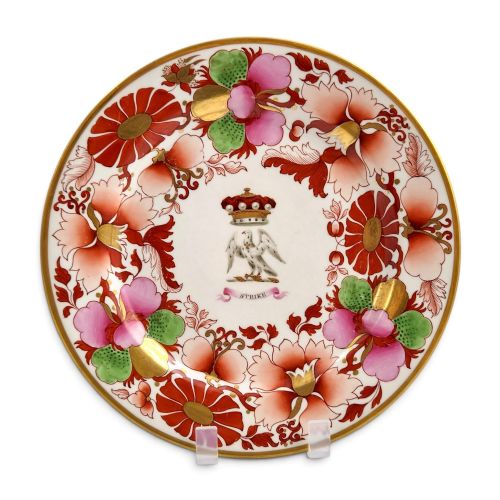
Georgian botanical plates bring handpainted flowers and armorial crests straight to the table from the early nineteenth century.
Georgian Botanical Plates
When buyers search for georgian botanical plates, they find porcelain and creamware dishes meant for dessert courses and display. These pieces arrive from periods spanning the Georgian, Regency, and early nineteenth centuries.
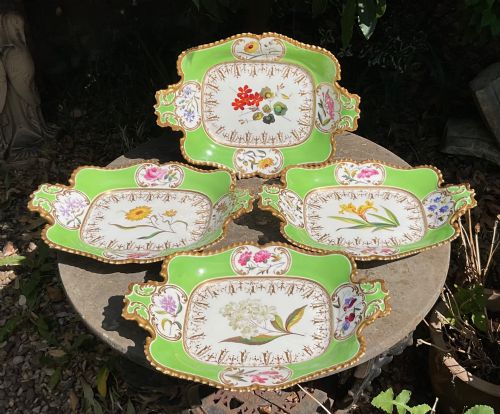
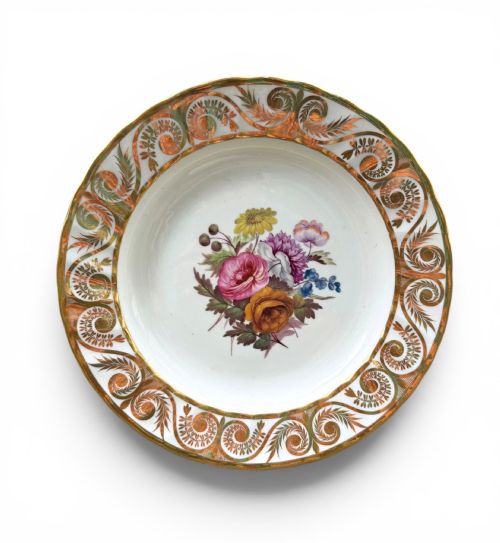
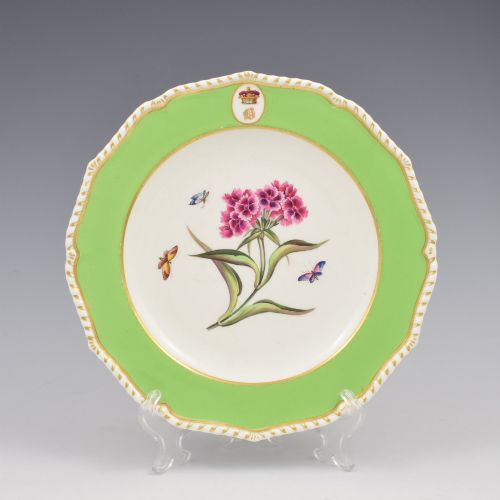
The selections on this page appear as individual cabinet plates, serving dishes, and complete dessert services. Makers produced them in forms such as porcelain dishes, decorative plates, and dessert plates.
Most examples feature handpainted botanical subjects, including named flowers like sweet william and the union pattern, alongside armorial crests and butterflies.
How they were made
Potters shaped these items from porcelain, earthenware, and creamware bodies before applying smooth glazes. Artisans then painted floral motifs by hand, often incorporating gold leaf and rich gilding to highlight borders and crests.
Factories utilised enamel colours to render realistic botanical specimens across cabinet plates and serving dishes. Kiln firing fixed these handpainted designs into the glazed ceramic surface for lasting durability.
Georgian Botanical Plates Retail Price Guide 2026
Typical asking prices for georgian botanical plates among the pieces listed under this phrase on Sellingantiques today, from the lower quarter to the upper quarter. They describe what is for sale here now, not the wider market.
Listings feature items from the Georgian, Regency, and Victorian periods, executed in porcelain, creamware, and earthenware.
What varies in quality
Quality rests upon the precision of the handpainted floral detail and the refinement of the porcelain paste. Pieces decorated by named artists or featuring intricate armorial crests display superior artistic execution.
The application of gold leaf and gilding dictates the visual richness of each plate or dish. Well-preserved glaze surfaces and intact enamel colours separate standard utility wares from high-status cabinet pieces.
Grainger Lee And Co·Chamberlains Worcester·Bloor Derby·Spode·Coalport·Barr Flight And Barr·Ridgway·Wedgwood·New Hall
The Georgian Botanical Plates Glossary
- Cabinet plate
- A decorative plate meant for display rather than dining. These pieces typically feature elaborate handpainted botanical studies and gilt borders.
- Armorial
- A ceramic design incorporating a coat of arms or family crest. Plates bearing these motifs often formed part of bespoke aristocratic dessert services.
- Creamware
- A refined light-coloured earthenware developed in the eighteenth century. It provided a smooth pale ground ideal for botanical painting.
- Enamel
- A glass-based pigment applied over the glaze to add colour. Artisans used these paints to render botanical subjects with botanical accuracy.
- Dessert service
- A matching set of plates and serving dishes used for the final course of a formal meal. These services frequently showcased botanical themes.
Georgian Botanical Plates: Frequently Asked Questions
Were georgian botanical plates used for dining?
These pieces served dessert courses during formal meals in grand houses. Hosts displayed fruit and sweetmeats upon them.
Many examples eventually transitioned to decorative cabinet pieces as dining fashions changed through the nineteenth century.
How do I identify a botanical plate?
Look for handpainted floral subjects positioned centrally within gilt borders or armorial frames. Individual flowers are frequently identified by name on the reverse.
These designs reflect the era's fascination with botany and natural history illustration.
What is drabware?
Drabware is a type of ceramic body featuring a muted olive or brownish-grey tone. Wedgwood produced services in this distinctive shade during the period.
The sober colourway provided a striking contrast to bright handpainted floral decorations.
Can I mix different factory pieces?
Historical dining practices often permitted varied services on the table together. Collectors today frequently group plates from different manufactories by theme.
Matching a complete dessert service remains harder than gathering individual cabinet plates from the same era.